
Jazz musicians need to know about Latin jazz music if they want to be considered well-rounded and ready for any jazz gig! Whether it’s a jam session, a cocktail hour, or a duet with another instrumentalist, you can bet there is a Latin tune in the set!
That’s because Latin Jazz is an important component in any jazz musician’s toolbox. But what exactly is it? That’s exactly what we’re going to answer in this article! We’ll cover—
- What is Latin Jazz?
- What is the History of Latin Jazz
- Afro-Cuban Jazz vs Bossa Nova
- Who Are the Key Latin Jazz Players?
- What Are 15 Key Latin Jazz Albums You Should Check Out?
If you want to master jazz music and all its subgenres, then you should check out the Learn Jazz Standards Inner Circle. The Inner Circle has everything you need to take your jazz chops to the next level!
Improve in 30 days or less! Join the Inner Circle.
Table of Contents
What is Latin Jazz?
Thanks to musicologists like John Storm Roberts, we understand Latin jazz as the first true jazz fusion music, as it fused jazz music with musical traditions from Latin America.
According to britannica.com, Latin jazz is a hybrid music genre that merges the rhythms and percussion instruments of Cuba, the Caribbean, and Latin America with the melody, harmony, and improvisation of jazz.
In practice, this means jazz musicians incorporate Latin American rhythmic patterns (such as Afro-Cuban clave or Brazilian samba beats) into jazz forms like swing, bebop, or ballads. The result can range from fiery uptempo dance numbers to relaxed, bossa nova grooves.
Historically, Latin jazz arose from prolonged interaction between American and Latin American music. As early as the turn of the 20th century, New Orleans jazz was influenced by Latin American dances (like the Cuban habanera), giving early jazz its signature syncopation.
Over time, musicians in both North and South America became familiar with each other’s styles. By the 1940s, this exchange bore fruit in New York City, where the first true Latin jazz pieces were composed.
Today, the term “Latin jazz” encompasses a wide variety of sub-styles, but it generally refers to two main branches:
- Afro-Cuban jazz: Jazz that employs Afro-Cuban rhythms and percussion (e.g., mambo, rumba, cha-cha, bolero), often played in a 2-3 or 3-2 clave pattern. This style was the initial form of Latin jazz, sometimes called “Cubop” in its early years.
- Brazilian jazz: Jazz fused with Brazilian musical forms, most famously bossa nova and samba. This branch took off in the 1960s, giving the jazz world a repertoire of Brazilian songs and a distinct mellow groove (often played with a straight-eighth feel rather than swing).
Importantly, Latin jazz is still jazz. It involves improvisation, complex chords, and the jazz approach to melody, but it is “spoken” in a Latin rhythmic language. Let’s dive deeper into the history!
The History of Latin Jazz Music
The story of Latin jazz as a defined genre begins in the 1940s with the rise of Afro-Cuban jazz in New York City. This was the first major fusion of Latin rhythms with jazz, and it set the template for what would be called Latin jazz.
The First Latin Jazz Music
In 1940, Cuban-born trumpeter Mario Bauzá and singer Frank “Machito” Grillo formed the band Machito and his Afro-Cubans in New York. Under Bauzá’s musical direction, Machito’s orchestra combined American big-band jazz arrangements with Afro-Cuban percussion and rhythms.
In 1943, Bauzá composed “Tanga,” which is often cited as the first true Latin jazz composition. “Tanga” was essentially a Cuban-style jam with jazz solos on top, and crucially, it was played in clave – meaning the music followed the repeating two-bar rhythmic pattern (clave) that underpins Afro-Cuban music.
Check out this article to learn more about Afro-Cuban clave.
Many jazz historians consider “Tanga” the birth of Latin jazz as a genre. Check out the studio recording below:
Latin Influences Catch On Across the Jazz World
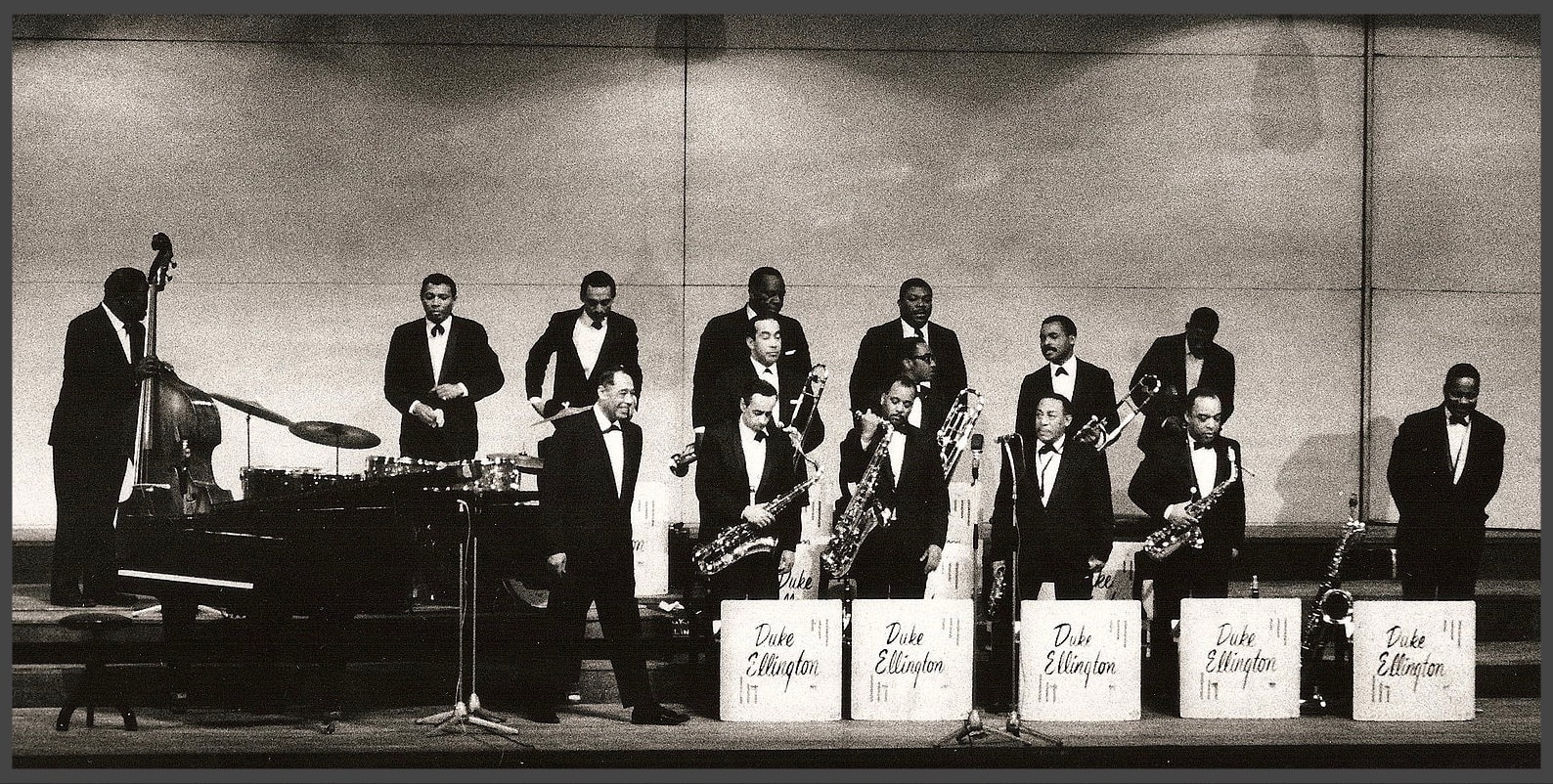
image source: Wikimedia Commons
Around the same time, Latin dance rhythms were infiltrating other big bands. Even Duke Ellington played pieces with Latin feels (check out “Caravan”). But the fusion truly caught fire in the late 1940s, thanks to a collaboration between American bebop musicians and Cuban percussionists.
Dizzy Gillespie, the legendary bebop trumpeter, was introduced to Afro-Cuban rhythms by Mario Bauzá (who had played in Dizzy’s band). Dizzy became enthralled by these rhythms and in 1947 he teamed up with Cuban conga player Chano Pozo.
The result was a groundbreaking Afro-Cuban jazz tune called “Manteca”, co-written by Gillespie and Pozo. “Manteca” combined Dizzy’s modern jazz harmonies with authentic Cuban percussion and call-and-response vocals.
“Manteca” was a hit, and it quickly became a jazz standard. For a brief time, this exciting new hybrid was nicknamed “Cubop” (for Cuban bebop). Gillespie’s big band, with Chano Pozo on congas, brought Afro-Cuban jazz to the mainstream American jazz audience in the late ’40s.
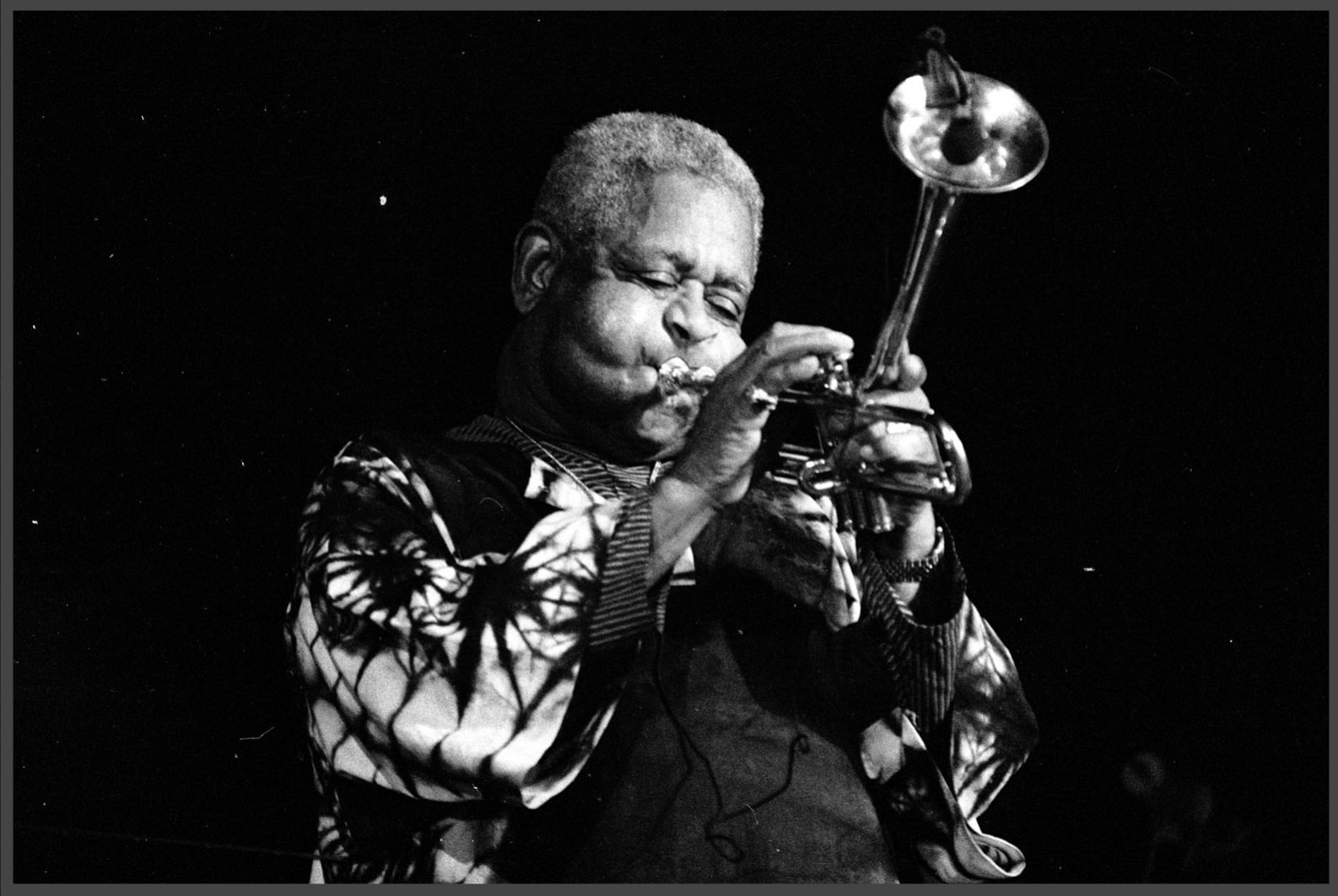
image source: Wikimedia Commons
Latin Jazz in the 1950s
In 1950s New York, Machito and his Afro-Cubans were at the forefront of the Afro-Cuban jazz movement. With Cuban arranger Chico O’Farrill, the orchestra recorded the landmark Afro-Cuban Jazz Suite (1949, released 1950), featuring alto saxophonist Charlie Parker.
This extended work blended jazz orchestration with authentic Cuban rhythms on a scale that was unprecedented. The decade also saw Afro-Cuban percussionists like Candido Camero, Mongo Santamaría, and Carlos “Patato” Valdés become in-demand session players for American jazz bands.
Several enduring Latin jazz stars emerged in this era, most notably Tito Puente—a New Yorker of Puerto Rican heritage—whose mastery of the timbales and vibrant big band arrangements made him a mambo and cha-cha icon.
His 1958 album Dance Mania became a landmark, showcasing authentic Afro-Cuban grooves shaped for New York dance floors and influencing generations of Latin dance and jazz musicians. Check out the title track, “Dance Mania,” here:
By the late 1950s, as in jazz generally, big Latin orchestras began giving way to smaller combos. The term “Latin jazz” was appearing more often (especially in marketing), and by 1960, Afro-Cuban jazz was firmly established as a core strand of modern jazz.
The Evolution of Latin Jazz: 1960s to Modern Day

image source: Wikimedia Commons
In the 1960s and beyond, Latin jazz diversified and evolved, incorporating new influences and spreading globally. Two major developments defined this evolution: the Brazilian bossa nova explosion of the early ’60s, and later, the fusion of Latin jazz with other genres.
The Bossa Nova Boom (1960s Brazilian Influence)
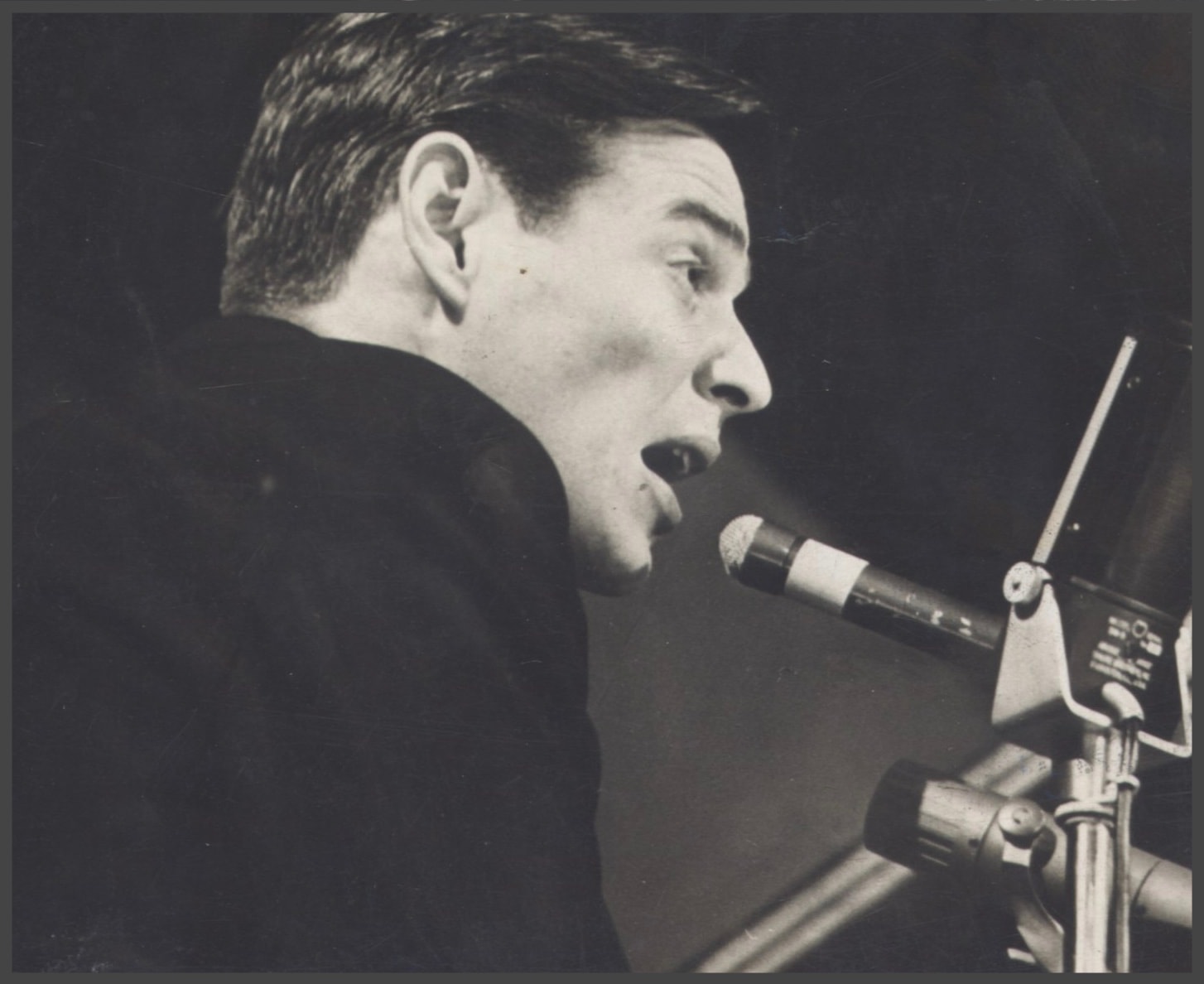
image source: Wikimedia Commons
While Afro-Cuban jazz flourished in the 1950s, a quieter revolution emerged in Brazil. In 1958, guitarist-singer João Gilberto recorded “Chega de Saudade” by Antônio Carlos Jobim and Vinícius de Moraes for his 1959 debut album.
This became the definitive recording that popularized bossa nova.
Bossa Nova fused samba’s syncopated rhythms with cool jazz harmonies, soft vocals, and elegant guitar patterns, creating a more intimate, cool sound. American jazz musicians quickly embraced the new trend coming from Brazilian musicians.
In 1962, Stan Getz and Charlie Byrd’s Jazz Samba became the only jazz album to top the Billboard pop chart, with Jobim’s “Desafinado” winning a Grammy.
The craze peaked in 1964 with Getz/Gilberto, featuring Astrud Gilberto’s iconic vocal on “The Girl from Ipanema,” which helped the album win the first-ever Grammy for Album of the Year awarded to a jazz recording.
Bossa nova classics like “Corcovado,” “Wave,” and “How Insensitive” soon entered the jazz repertoire, inspiring artists from Ella Fitzgerald to Frank Sinatra. Even after the pop fad faded, Brazilian influence endured.
By the mid-1960s, Latin jazz had two distinct streams: Afro-Cuban styles and Brazilian bossa nova, each enriching jazz with new rhythmic and harmonic possibilities.
Check out this article to learn more about the classic jazz standard “The Girl from Ipanema,” and this article to learn more about Bossa Nova.
Latin Jazz Fusion and Diversification (1970s–Present)
From the 1970s onward, Latin jazz pushed beyond its Afro-Cuban roots into a pan-Latin fusion, incorporating rhythms and instruments from Puerto Rico, the Dominican Republic, Venezuela, Colombia, and beyond—always anchored by the clave-based rhythmic core.
Its influence spilled into jazz-rock fusion and experimental jazz. Return to Forever, founded by Chick Corea with Brazilian percussionist Airto Moreira and vocalist Flora Purim, wove samba and Afro-Cuban grooves into electric jazz-rock textures.
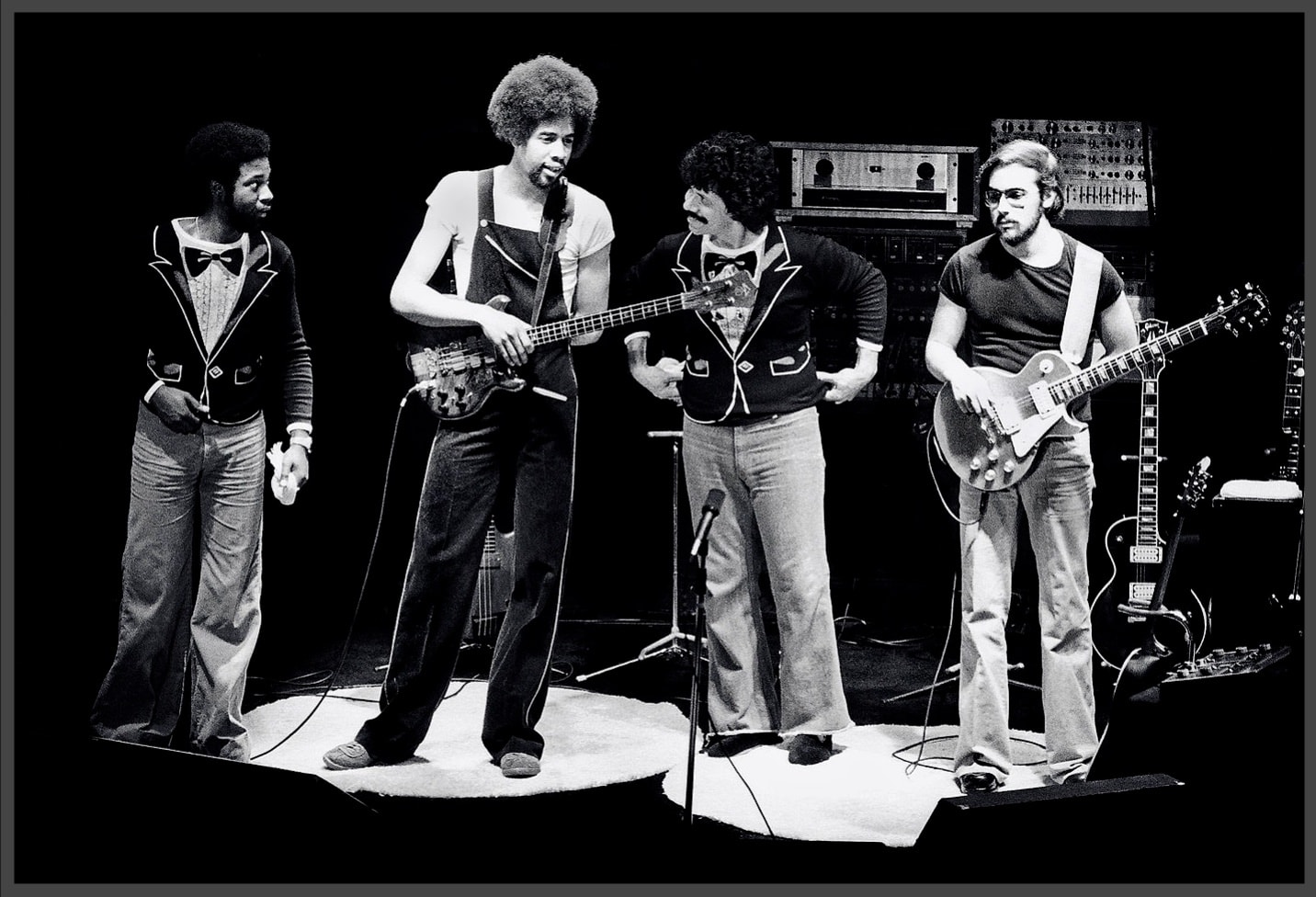
image source: Wikimedia Commons
In Cuba, pianist Chucho Valdés co-founded Irakere (1973), blending jazz, rock, funk, and Afro-Cuban Santería rhythms, while in New York, Eddie Palmieri bridged salsa and jazz with harmonically adventurous, danceable albums like The Sun of Latin Music (1974)—the first Latin recording to win a Grammy.
The 1980s saw a partial return to acoustic jazz roots with groups like the Fort Apache Band (Rumba Para Monk), reimagining Thelonious Monk’s music with Latin grooves. Meanwhile, virtuosos like Arturo Sandoval, Gonzalo Rubalcaba, and Paquito D’Rivera brought Afro-Cuban brilliance to the global stage.
By the 1990s and 2000s, Latin jazz became truly global, shaped by artists such as Michel Camilo (Dominican Republic), Danilo Pérez (Panama), David Sánchez and Miguel Zenón (Puerto Rico), and Dafnis Prieto (Cuba).
The fusion embraced Colombian cumbia, Argentine tango, Mexican folk, and more, while maintaining jazz’s improvisational freedom and the heartbeat of clave.
Today, Latin jazz thrives worldwide, from New York to Havana to Tokyo, with innovators like Arturo O’Farrill, Bobby Sanabria, Harold López-Nussa, and Brazilian electronic-jazz fusionists carrying the tradition forward.
Why You Should Study Latin Jazz!
Latin jazz’s legacy is profound both in the jazz world and in popular music at large. By injecting Afro-Latin rhythms into jazz, it expanded jazz’s rhythmic and sonic vocabulary. The influence can be heard in countless jazz standards and performances.
For example, many tunes that jazz students learn today have Latin jazz elements or origins. Here are a few
- “Manteca” – co-written by Dizzy Gillespie and Chano Pozo
- “Caravan” – by Duke Ellington
- “Song for My Father” – by Horace Silver
- “Corcavado” by Antônio Carlos Jobim
- “Blue Bossa” – a jazz standard by Kenny Dorham
- “Spain” by Chick Corea
- “Con Alma” by Dizzy Gillespie
By learning Latin jazz pieces, jazz musicians improve their rhythmic feel and versatility. Navigating a Cuban clave pattern or a Brazilian samba groove teaches one to internalize syncopation and play “in the pocket” with percussion.
It will also expose you to different song forms and cultural contexts.
Many jazz educators emphasize the importance of understanding Latin jazz, noting that Latin American influences were present at jazz’s very birth in New Orleans and have continued to shape the music.
In other words, Latin rhythms aren’t a foreign import into jazz; they’ve been part of jazz all along, from Jelly Roll Morton’s “Spanish tinge” to the present day. If you are heading to a jam session, you should have at least a few Latin tunes prepared!
Key Latin Jazz Players
Throughout its history, many talented musicians have contributed to Latin jazz. Here are some of the key figures (by no means an exhaustive list) who drove the genre’s evolution through the years:
Mario Bauzá (1911–1993)
Mario Bauzá was a Cuban trumpeter, composer, and arranger, often credited as the “founding father” of Latin jazz. In the early 1940s, Bauzá led Machito’s Afro-Cuban orchestra in New York and fused jazz with authentic Cuban rhythms for the first time.
He wrote “Tanga” in 1943, regarded as the first true Latin jazz tune. Bauzá also introduced Dizzy Gillespie to Latin music. Without Bauzá, Afro-Cuban jazz might never have ignited when it did.
Machito (Frank Grillo, 1908–1984)
Machito was a Cuban vocalist and bandleader of Machito and his Afro-Cubans. Machito’s orchestra (with Bauzá’s direction) set the template for Afro-Cuban big bands, pioneering the marriage of big-band jazz arrangements with Cuban percussion.
Machito popularized the new Cubop sound in the 1940s and ’50s and recorded seminal Afro-Cuban jazz albums (e.g., Kenya in 1957). He proved that Afro-Cuban rhythms and swing jazz horns could groove together seamlessly.
Dizzy Gillespie (1917–1993)
Dizzy needs no introduction, but let’s lay out some biographical facts. He was an American jazz trumpeter and bebop innovator who became a champion of Afro-Cuban jazz. Dizzy was one of the first American jazz stars to fully embrace Cuban percussion in his bands.
He hired Mario Bauzá (in Cab Calloway’s band) and later Chano Pozo, and co-wrote “Manteca” in 1947, a cornerstone Afro-Cuban tune. Gillespie’s big band blended Latin rhythms with bebop, bringing Cubop to Carnegie Hall and beyond.
His enthusiasm and fame helped Latin jazz gain recognition among mainstream jazz audiences. Without Dizzy’s open-mindedness and clout, Latin jazz might have remained a niche scene for American audiences.
Learn more about Dizzy Gillespie by checking out our article on the 50 greatest jazz trumpeters.
Chano Pozo (1915–1948)
Chano Pozo was a Cuban percussionist, singer, and composer. As Dizzy’s collaborator in 1947-48, Pozo was the first to put conga drums on the jazz stage at a prominent level. He was a master of Afro-Cuban drumming and folklore. In addition to “Manteca,” Pozo co-wrote “Tin Tin Deo.”
His life was cut short when he was killed in 1948, but in his brief time in the U.S., he made an outsized impact, essentially becoming a symbol of the Afro-Cuban contribution to jazz. Jazz lore often points to Dizzy and Chano Pozo’s partnership as the spark that created Latin jazz’s popular profile.
Tito Puente (1923–2000)
Tito Puente was an American (Puerto Rican descent) percussionist, composer, and bandleader, known as “El Rey” (The King) of Latin music. Puente was a virtuoso on timbales and vibraphone. In the 1950s, he led one of the top Latin orchestras of the mambo era.
His 1958 album Dance Mania is a landmark that set the standard for Latin dance records, showcasing tight big band arrangements with authentic Afro-Cuban rhythms. While many Latin jazz stars touched the cha‑cha‑cha, Tito Puente is particularly iconic for it.
In 1962, he composed and recorded “Oye Cómo Va,” a cha‑cha‑cha that became a worldwide standard, later immortalized by Santana’s cover.
He bridged the worlds of dance halls and jazz clubs, and continued performing tirelessly into the 1990s. Tito Puente’s showmanship and musical chops made him an ambassador of Latin jazz worldwide.
Chico O’Farrill (1921–2001)
Chico O’Farrill was a Cuban composer and arranger who brought a sophisticated arranger’s touch to Latin jazz. He wrote the Afro-Cuban Jazz Suite (1950) for Machito (featuring Charlie Parker), a pioneering extended work in the genre.
He also arranged for Benny Goodman and Dizzy Gillespie. Chico’s pieces often merged classical influences, complex jazz writing, and Cuban rhythms. In his later years, he led a big band in New York, and his legacy is carried on by his son, pianist Arturo O’Farrill.
Stan Getz (1927–1991)
Stan Getz was an American jazz tenor saxophonist whose warm, lyrical tone earned him the nickname “The Sound.” Getz was central to bossa nova’s introduction to the U.S. He teamed with Charlie Byrd on Jazz Samba (1962) and then with João Gilberto and Jobim on Getz/Gilberto (1964).
His solo on “The Girl from Ipanema” and the album’s success made him forever associated with bossa nova. Getz/Gilberto won the 1965 Album of the Year Grammy, and Getz’s bossa recordings sold millions, bringing Brazilian jazz to a global audience.
Beyond bossa, Getz was a brilliant mainstream jazz player, but his willingness to explore Brazilian music made him a key figure in Latin jazz’s story.
Learn more about Stan Getz by checking out our article on the 50 greatest jazz saxophone players.
Antônio Carlos Jobim (1927–1994)
Brazilian composer, songwriter, pianist, and guitarist. Jobim (often called Tom Jobim) was the primary composer of bossa nova. He composed classics like “Desafinado,” “Girl from Ipanema,” “Corcovado,” “Wave,” “One Note Samba,” and many more – literally dozens of songs that became jazz standards.
Jobim’s music blended Brazilian samba rhythms with French impressionistic harmonies and cool jazz sensibility. He was also an accomplished pianist and made albums as a leader.
Learn more about Antônio Carlos Jobim by checking out our article on the most famous jazz musicians of all time.
João Gilberto (1931–2019)
João Gilberto was a Brazilian singer and guitarist, often called the “father of bossa nova” (along with Jobim). João’s 1959 recordings like “Chega de Saudade” introduced his unique style: a soft, intimate singing voice paired with a subtly driving rhythmic guitar (he essentially played the samba rhythm on guitar while also outlining jazz chords).
This laid-back yet rhythmically precise feel defined bossa nova’s sound. His collaboration with Stan Getz made him an international star (and made his wife Astrud a star too). João Gilberto’s approach to time and phrasing influenced countless musicians.
Cal Tjader (1925–1982)
Cal Tjader was an American vibraphonist and bandleader. Tjader, though not Latino, was one of the most successful popularizers of Latin jazz in the 50s and 60s. He fell in love with Afro-Cuban rhythms while on tour with George Shearing and started his own Latin jazz groups on the West Coast.
Tjader’s bands featured Latino percussion greats (like Mongo Santamaria and Willie Bobo) and mixed vibraphone-led jazz with mambo/cha-cha grooves. His catchy tune “Soul Sauce (Guachi Guaro)” was a hit in 1964, bringing Latin jazz onto radio playlists.
Eddie Palmieri (1936–2023)
Eddie Palmieri was an American pianist, composer, and bandleader of Puerto Rican heritage. Palmieri is a giant of Latin jazz and salsa, known for his innovative, funky, and socially conscious Latin jazz orchestras. His band, La Perfecta, introduced a trombone-heavy salsa sound in the 60s.
In the 70s, Palmieri pushed the envelope by incorporating extended jazz solos, dissonant harmonies, and even elements of rock/funk into Afro-Caribbean music. His album The Sun of Latin Music (1974) was the first Latin music recording to win a Grammy in 1975.
Often called “the madman of salsa” for his experimental streak, Palmieri showed that artistic innovation and Afro-Latin tradition could go hand in hand. He’s also revered for his piano skills, blending Monk-like angularity with Latin montuno grooves.
Chucho Valdés (b. 1941)
Chucho Valdés was a Cuban pianist, composer, and bandleader. Chucho (the son of Bebo Valdés) is one of the most acclaimed Latin jazz pianists alive. In 1973, he founded Irakere, which became Cuba’s leading jazz fusion band (mixing Afro-Cuban ritual music with jazz, rock, etc.).
Irakere’s international success (including a Grammy win) put Cuban jazz on the world map. Chucho’s piano style is virtuosic and powerful, drawing from classical technique, Afro-Cuban rhythms, and straight-ahead jazz language.
After Irakere, he led small jazz groups and won multiple Grammys for his albums. He’s mentored many young Cuban musicians. In short, Chucho Valdés is a bridge between Cuban music and jazz, and a key figure in modern Afro-Cuban jazz’s evolution.
Paquito D’Rivera (b. 1948)
Paquito D’Rivera was a Cuban alto saxophonist and clarinetist. Paquito was a co-founder of Irakere, but he left Cuba in 1980 to pursue an international career. Known for his sparkling tone and incredible technique, he became a leading voice in Latin jazz and beyond.
Paquito is notable for his versatility: he’s equally at home playing bebop, Afro-Cuban guaguancó, Brazilian choro, or even classical concertos (he’s recorded with orchestras). He has championed Latin American composers and often features music from various Latin countries in his work.
Arturo Sandoval (b. 1949)
Arturo Sandoval is a Cuban trumpeter, pianist, and composer. A protégé of Dizzy Gillespie, Sandoval is renowned for his trumpet virtuosity, particularly his ability to hit stratospheric high notes and play with lightning speed. He was another Irakere alum who defected to the U.S. (in 1990).
Arturo quickly impressed American audiences with his flashy technique and energetic Afro-Cuban trumpet style. He can play straight bebop or funk-fusion, but always with a dose of Latin fire. Sandoval has won Grammy and Emmy awards, and even recorded classical trumpet albums.
His life story was dramatized in the film “For Love or Country.” In Latin jazz, Sandoval is celebrated as a keeper of the Cuban trumpet tradition (following in the footsteps of Cuban greats like Chocolate Armenteros) and as one of the genre’s superstar performers.
Danilo Pérez (b. 1966)
Panamanian pianist and composer, part of the younger wave of Latin jazz leaders who emerged in the 1990s. Danilo’s style marries modern jazz with Latin American folk rhythms (especially from Panama and Cuba).
Early in his career, he played with Dizzy Gillespie’s United Nations Orchestra, then became known for his own innovative albums like Central Avenue and Motherland. In the 2000s, he joined Wayne Shorter’s quartet, further solidifying his stature.
15 Best Latin Jazz Albums
image source: Wikimedia Commons
To truly appreciate Latin jazz, one must spend time listening to the genre’s classic recordings. Below is a list of 15 essential Latin jazz albums. These landmark records cover Afro-Cuban jazz, Brazilian bossa nova, and beyond, from the 1950s through the 2000s.
Each album is a gem that exemplifies a key moment or style in Latin jazz history. (They’re not ranked in order of quality but are roughly chronological.) Consider this a “listening syllabus” for Latin jazz:
1. Afro (1954) – Dizzy Gillespie
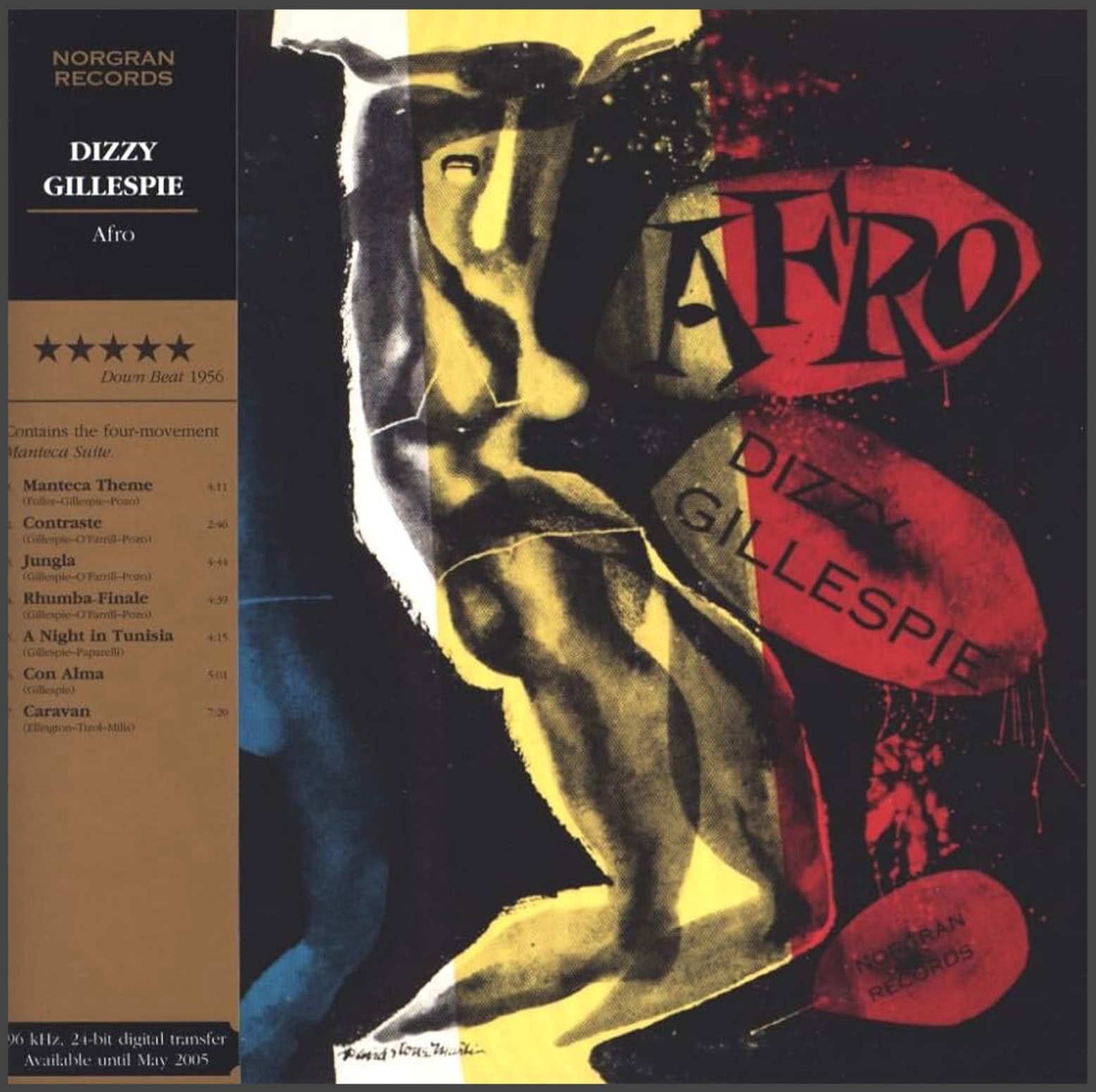
image source: Wikipedia
Afro (1954) is a cornerstone of 1950s Afro-Cuban jazz. On this bold big-band album (originally on Norgran Records), trumpet bebop king Dizzy Gillespie teamed with Cuban arranger Chico O’Farrill to merge Dizzy’s modern jazz with authentic Cuban percussion.
The album features fiery percussion and complex arrangements, including Gillespie’s classic tune “Con Alma.” Afro showcased how Latin rhythms could be integrated into big-band jazz composition on a grand scale.
This record cemented Dizzy’s role not just as a bebop pioneer but as a godfather of Latin jazz, translating the Cubop experiments of the ’40s into the longer-playing LP format.
Why it’s essential:
It captures the early excitement of Afro-Cuban jazz entering the jazz mainstream, complete with polyrhythmic percussion and adventurous horn sections. Gillespie’s band roars on tracks like “Manteca” (included in this album), making Afro an exhilarating listen from start to finish.
Take a listen to this groundbreaking Latin jazz album:
2. Kenya (1957) – Machito and his Afro-Cuban Orchestra
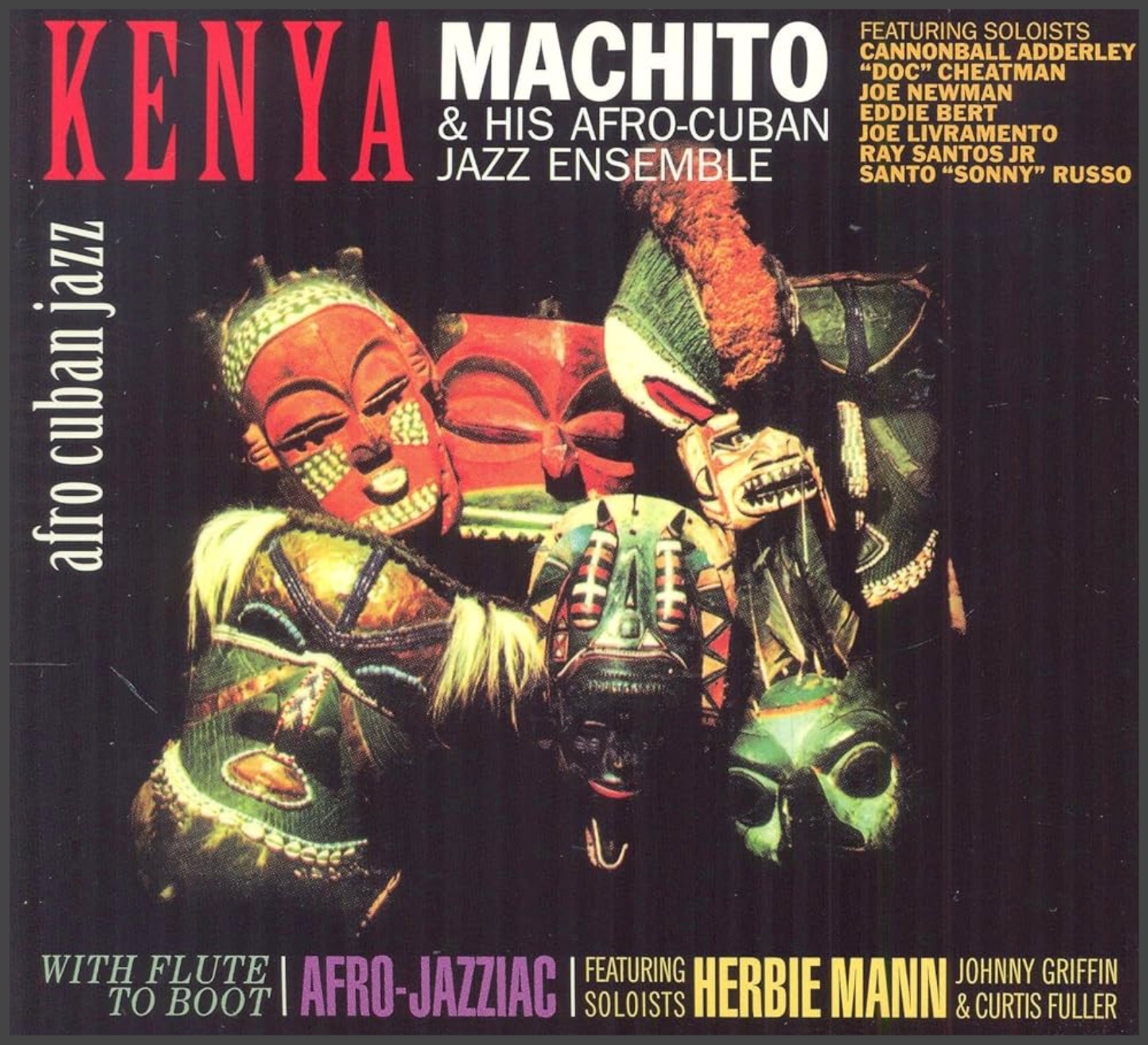
image source: Discogs
Kenya (1957) is a legendary Afro-Cuban jazz album by Machito and his Afro-Cuban orchestra at the height of the mambo era. Kenya is a vibrant collection of tunes that blur the line between big band jazz and Cuban dance music.
The album features top-notch Cuban percussion (congas, bongos, timbales) and American jazz soloists (even alto sax great Cannonball Adderley sits in on one track). The arrangements (many by A.K. Salim and Mario Bauzá) are both sophisticated and swinging.
Kenya is often hailed as Machito’s masterpiece and one of the essential Afro-Cuban jazz recordings of the 1950s. Each track sizzles with tight horn riffs floating over Machito’s rhythm section.
Why it’s essential:
It documents the true NYC mambo big-band style with jazz finesse. Listening to Kenya is like being transported to the Palladium Ballroom in 1957. You can practically see the dancers and feel the energy. It’s Afro-Cuban jazz big band at its best, and a direct link between the swing era and the Latin jazz that followed.
3. Dance Mania (1958) – Tito Puente
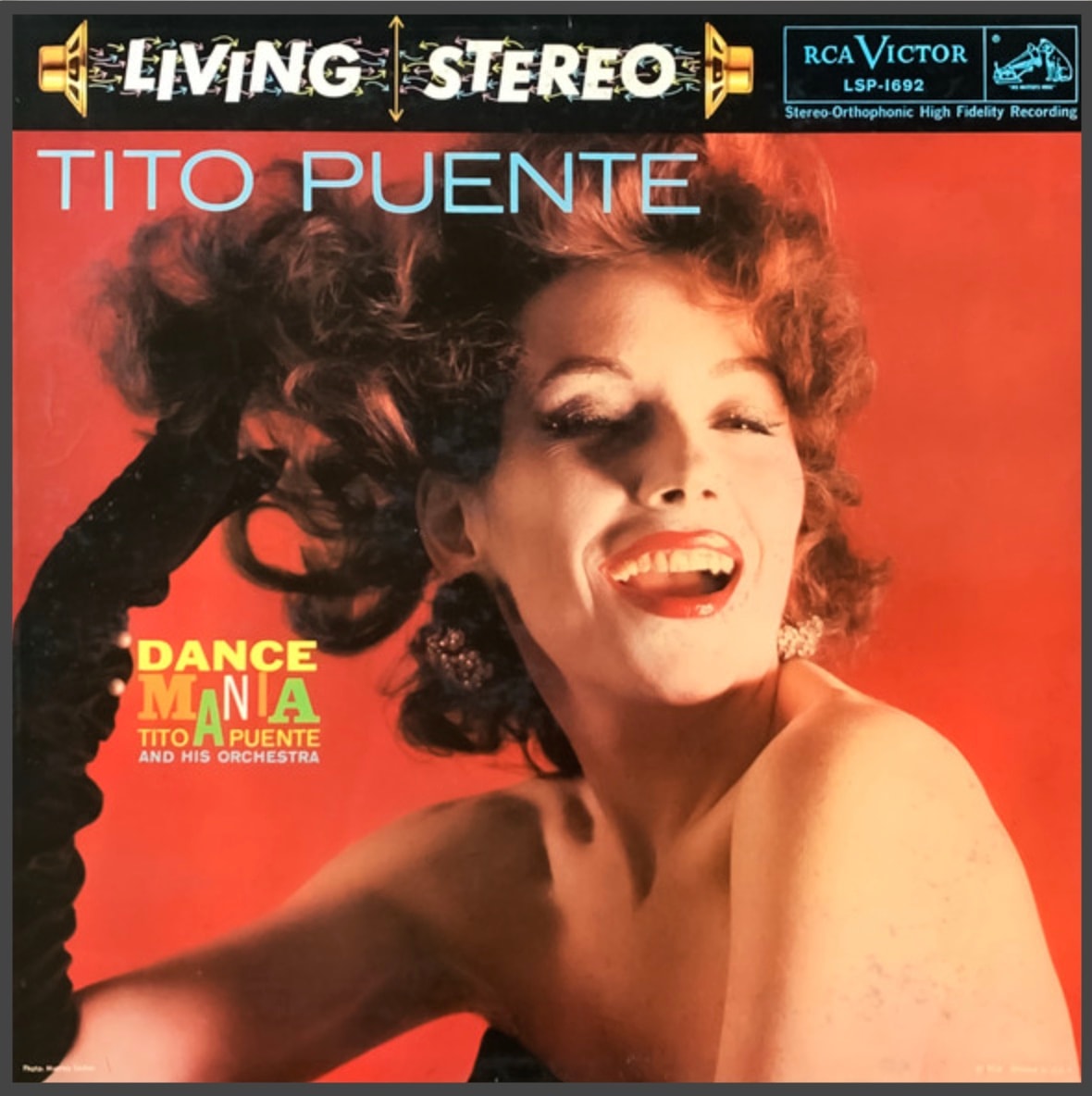
image source: Wikipedia
If you own only one Latin dance album, it should be Dance Mania. Timbales maestro Tito Puente struck gold with this release, which captured the authentic sound of 1950s New York Latin dance music with unprecedented fidelity and excitement.
Dance Mania was the first major-label album to present Cuban mambo and cha-cha in pure form—the real Afro-Cuban groove from an Afro-Latin jazz orchestra. It became a crossover hit, introducing mainstream audiences to true Latin rhythms.
The album includes iconic tracks like “El Cayuco,” “Complicación,” and “Ti Mon Bo,” featuring Puente’s tight big band and the silky Spanish vocals of Santos Colón. Critics have noted that virtually all modern salsa and Latin jazz draw inspiration from the spirit and execution of this album.
Why it’s essential:
Dance Mania is considered the most important album in the history of big band Afro-Cuban dance music. It’s joyous, relentless, and quintessential—a recording that influenced everyone from Latin jazzers to rock (Carlos Santana has cited Puente as an influence).
4. Jazz Samba (1962) – Stan Getz & Charlie Byrd
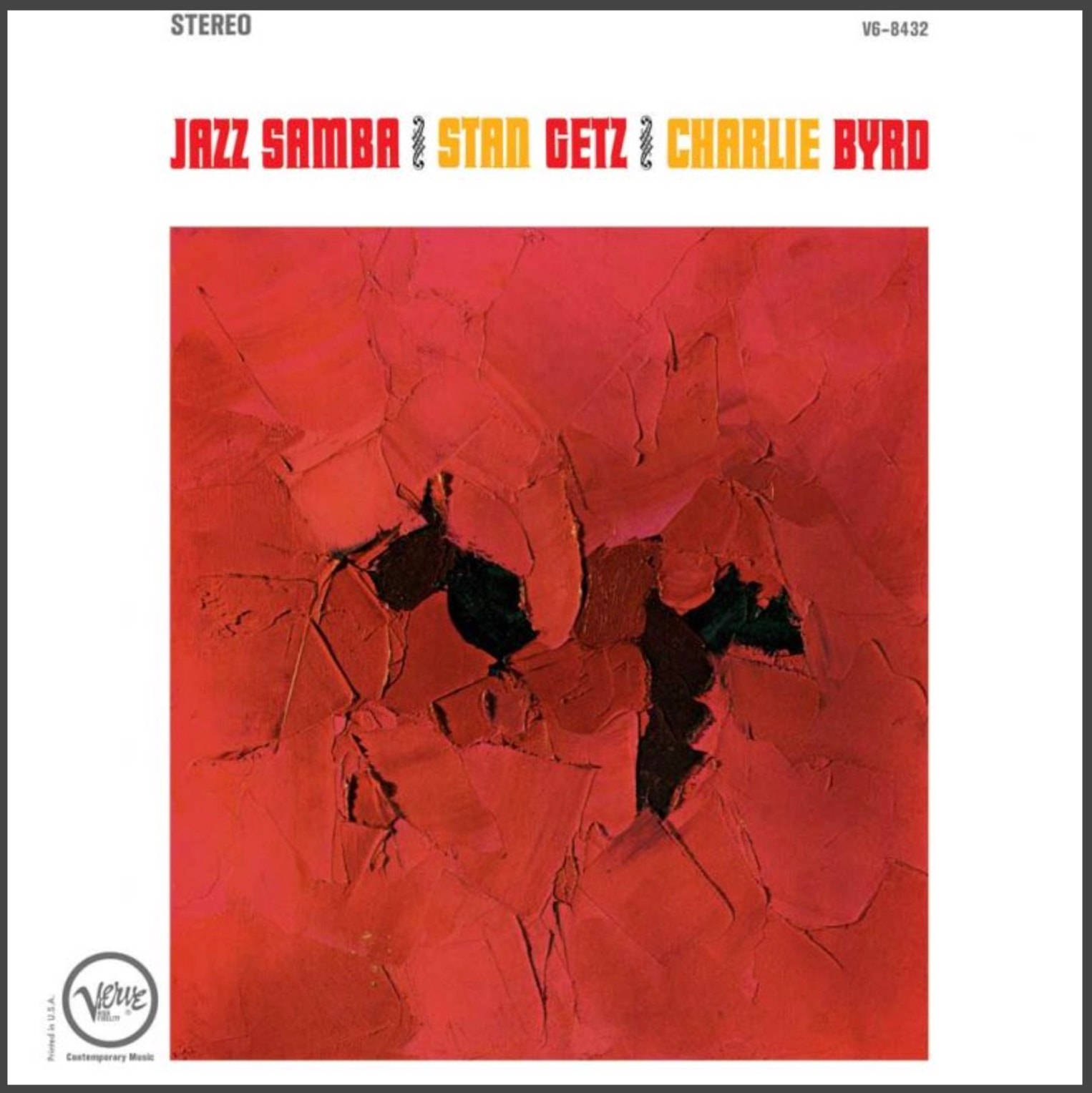
image source: Wikimedia Commons
Jazz Samba (1962) was the album that ignited the bossa nova craze in America. Tenor saxophonist Stan Getz and guitarist Charlie Byrd recorded Jazz Samba in early 1962 after Byrd returned from a tour in Brazil with a stack of bossa nova records.
The album, recorded simply in a church in Washington, D.C., has a light, breezy feel—just two horns, guitar, bass, and drums playing the lilting melodies of Jobim and other Brazilian composers.
Remarkably, Jazz Samba climbed to #1 on the Billboard pop chart (the first and only jazz album to do so) and stayed on the charts for over a year. Its lead single, “Desafinado,” became a hit. This album essentially opened the door for Brazilian music in the U.S. and beyond.
Why it’s essential:
This record proved that Brazilian bossa nova could translate to a jazz context and captivate the world. It’s the record that made “bossa nova” a household term and true world music.
5. Getz/Gilberto (1964) – Stan Getz & João Gilberto
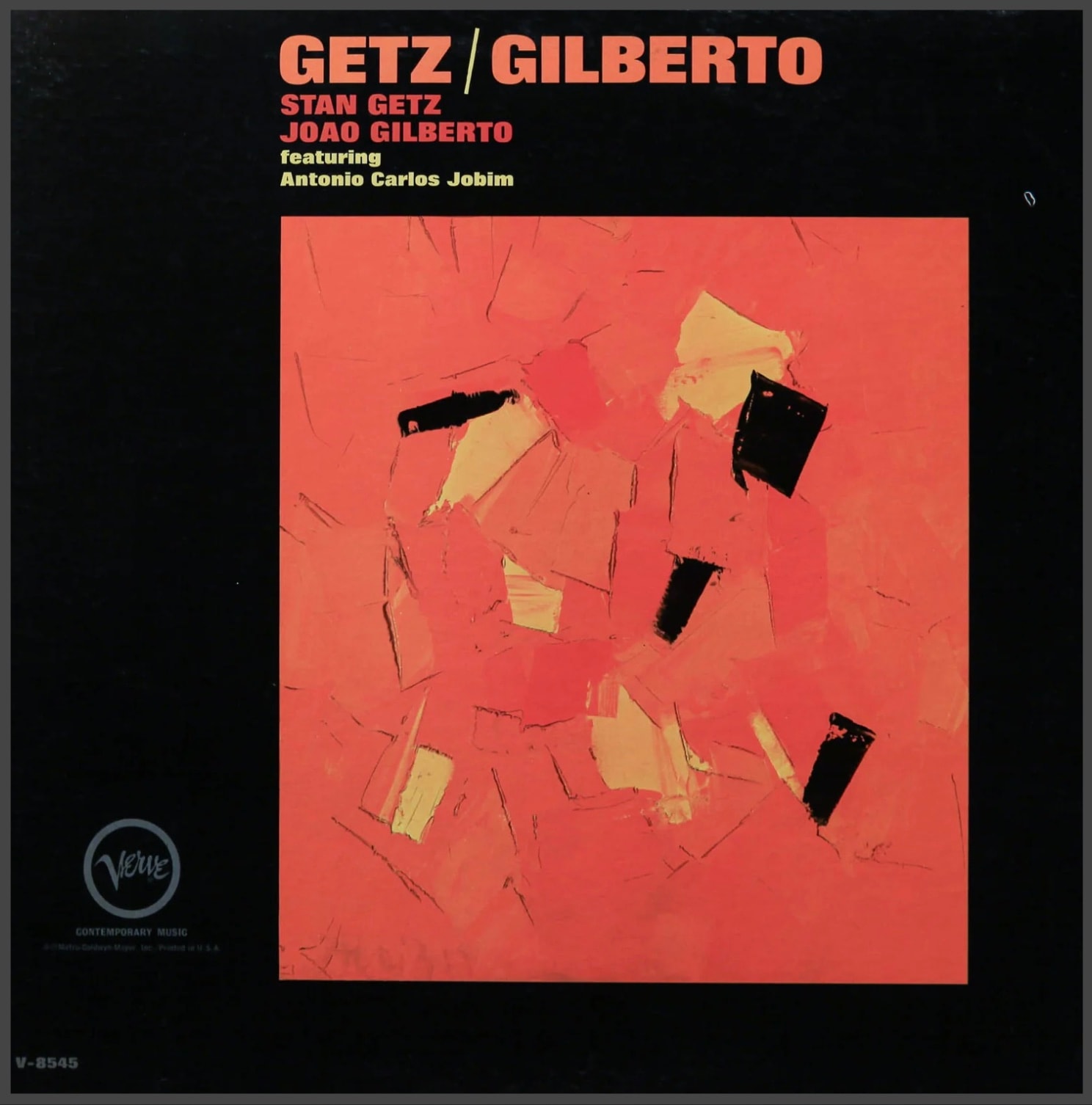
image source: Wikipedia
Getz/Gilberto (1964) was a landmark of Latin jazz and one of the best-selling jazz albums of all time. Getz/Gilberto brought together American saxophonist Stan Getz with Brazilian bossa nova architect João Gilberto (plus Jobim on piano and Astrud Gilberto on vocals for two tracks).
The album’s most famous song is “The Girl from Ipanema”, which became a worldwide hit (Astrud’s breathy vocal made her an overnight star). The entire album is a flawless marriage of Brazilian samba/bossa rhythms with cool jazz.
Getz/Gilberto was a global phenomenon—it won the 1965 Grammy for Album of the Year (a first for a jazz record) and helped popularize bossa nova everywhere.
Why it’s essential:
It’s arguably the most iconic bossa nova album ever. Virtually every track (e.g., “Corcovado,” “Só Danço Samba”) is a jazz standard. This album also demonstrated the universal appeal of Latin jazz—you didn’t have to understand Portuguese to feel the romance and groove.
6. Soul Sauce (1964) – Cal Tjader
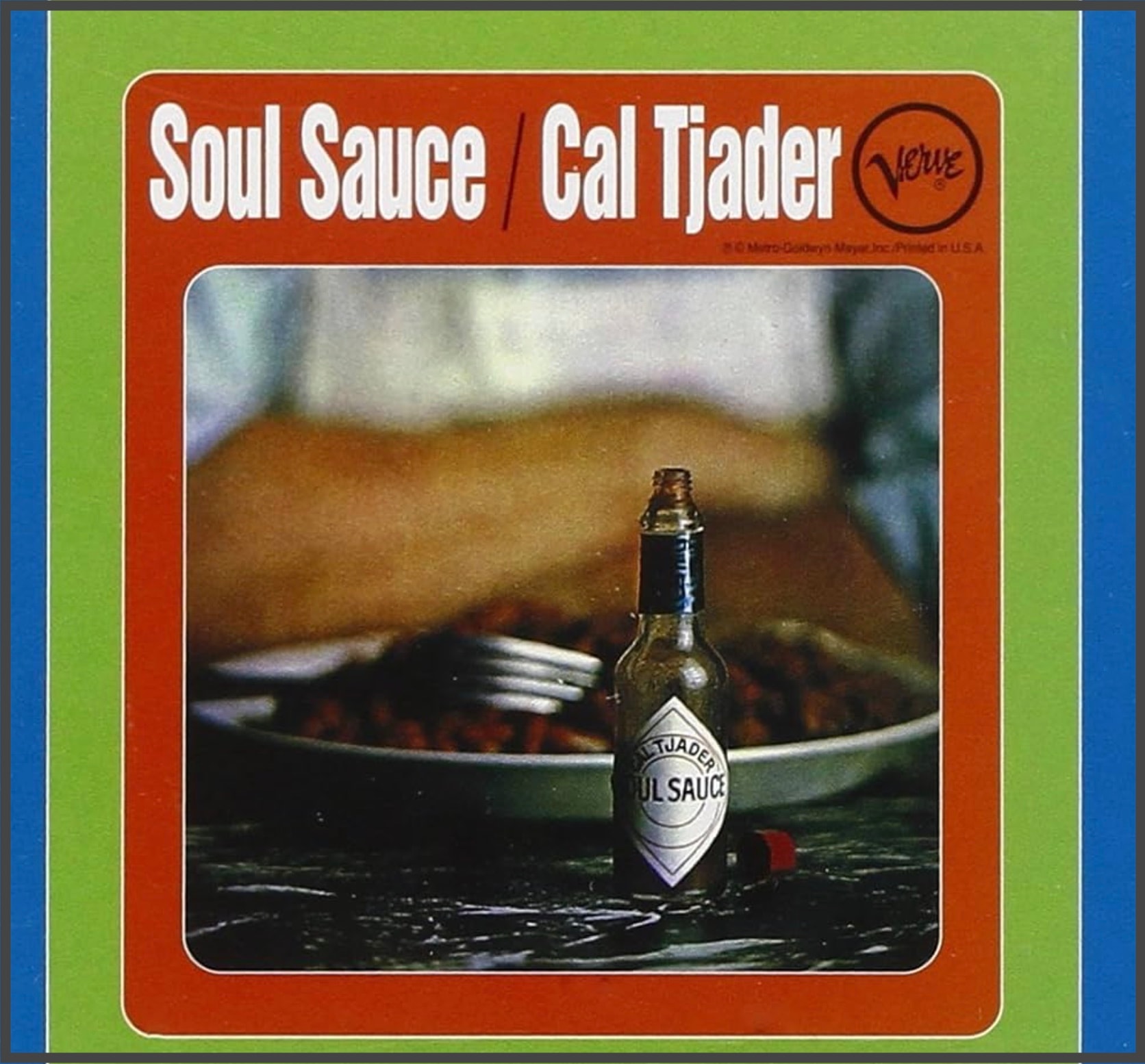
image source: Wikipedia
Soul Sauce (1964) is an infectious and accessible West Coast Latin jazz album by vibraphonist Cal Tjader. The title track “Soul Sauce” is Tjader’s reworking of Dizzy Gillespie’s “Guachi Guara.”
The album blends jazz with Latin boogaloo and ’60s mod style, featuring Tjader’s cool vibes along with piano, bass, and a Latin percussion section (including Willie Bobo on drums/timbales).
While Soul Sauce isn’t as experimental as some albums on this list, it played a big role in introducing many listeners to Latin jazz in the 1960s. It proved that Latin jazz could be fun, danceable, and trendy, fitting right in with the era’s pop culture.
Why it’s essential:
Cal Tjader was a pivotal figure in Latin jazz, and this is his signature album. It captures the crossover appeal of Latin jazz. Essentially, Soul Sauce made it “cool” for mainstream audiences to dig the Afro-Cuban groove. Its influence can be heard in later acid jazz and Latin soul as well.
7. Chapter One: Latin America (1973) – Gato Barbieri
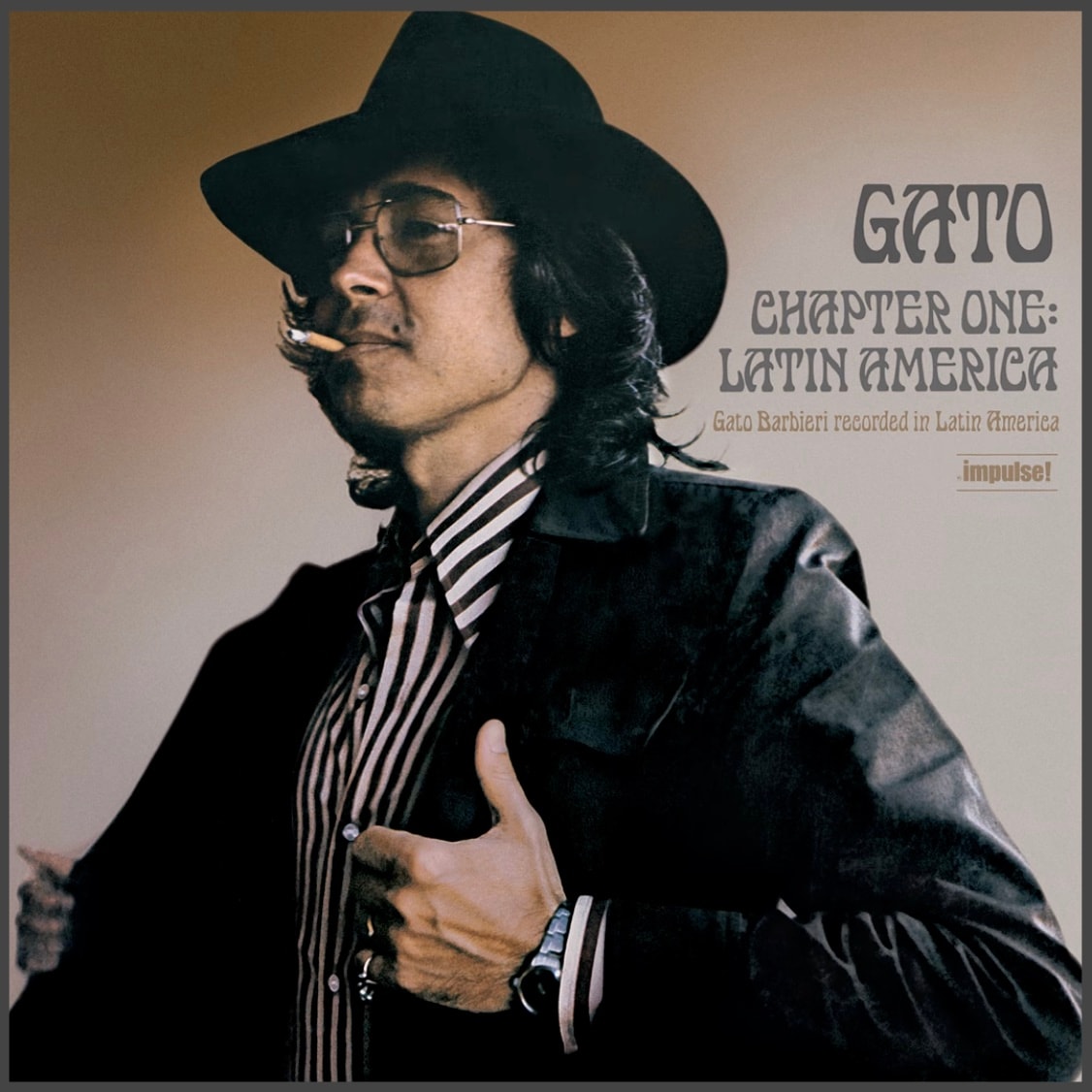
image source: Wikipedia
In Chapter One: Latin America (1973), Argentine tenor saxophonist Gato Barbieri fused his Coltrane-inspired intensity with the folk melodies and instruments of South America. Made in Buenos Aires with local musicians, it layers jazz improvisation over Andean flutes, charango, and indigenous percussion.
The first in his “Latin America” series, this album broadened the scope of Latin jazz beyond its Afro-Cuban and Brazilian roots.
Why It’s Essential:
This album proved that Latin jazz could authentically embrace South American folk traditions while retaining the harmonic sophistication and improvisational spirit of jazz, inspiring future generations to explore their own cultural heritage through the music.
8. The Sun of Latin Music (1974) – Eddie Palmieri
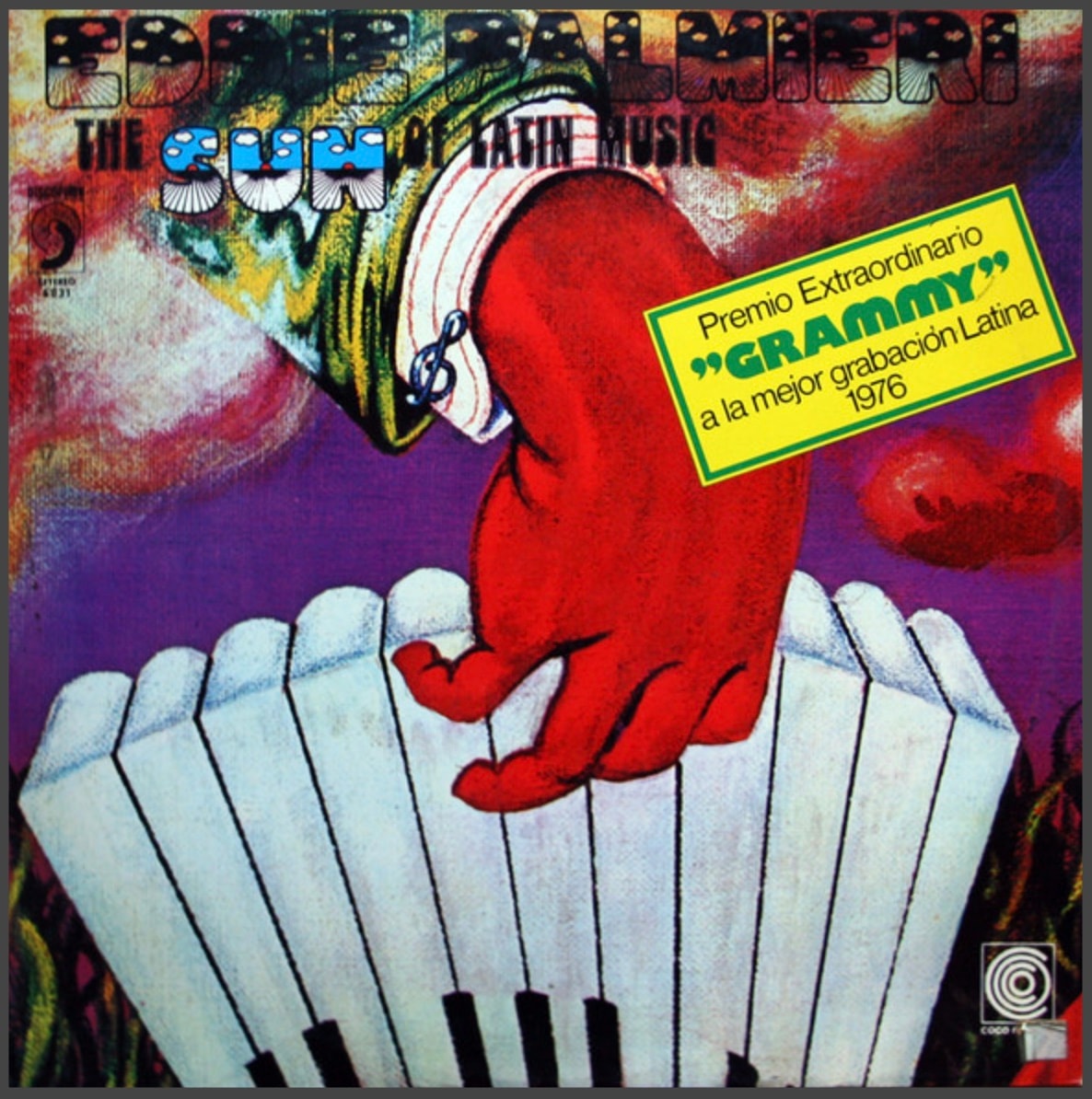
image source: Discogs
The Sun of Latin Music (1974) was a groundbreaking album by Eddie Palmieri that took Latin jazz and salsa to new creative heights. This was the first Latin music album to win a Grammy Award (it won in 1976 for Best Latin Recording), signaling a wider recognition of Latin jazz’s artistry.
This album stretches out with long, adventurous tracks that fuse Afro-Cuban rhythms with jazz improvisation and even funk/soul elements. Notable is the 14-minute “Un Día Bonito,” which starts as a lush bolero-cha-cha with strings and then launches into fiery percussion and improvisations.
Why it’s essential:
Palmieri broke the mold and demonstrated that Latin dance music could be as harmonically complex and exploratory as any jazz of the day. The album has a political and cultural edge as well, reflecting Nuyorican pride.
Many musicians cite The Sun of Latin Music as an influential masterpiece where salsa meets jazz in a truly progressive way.
9. Elis & Tom (1974) – Antônio Carlos Jobim & Elis Regina
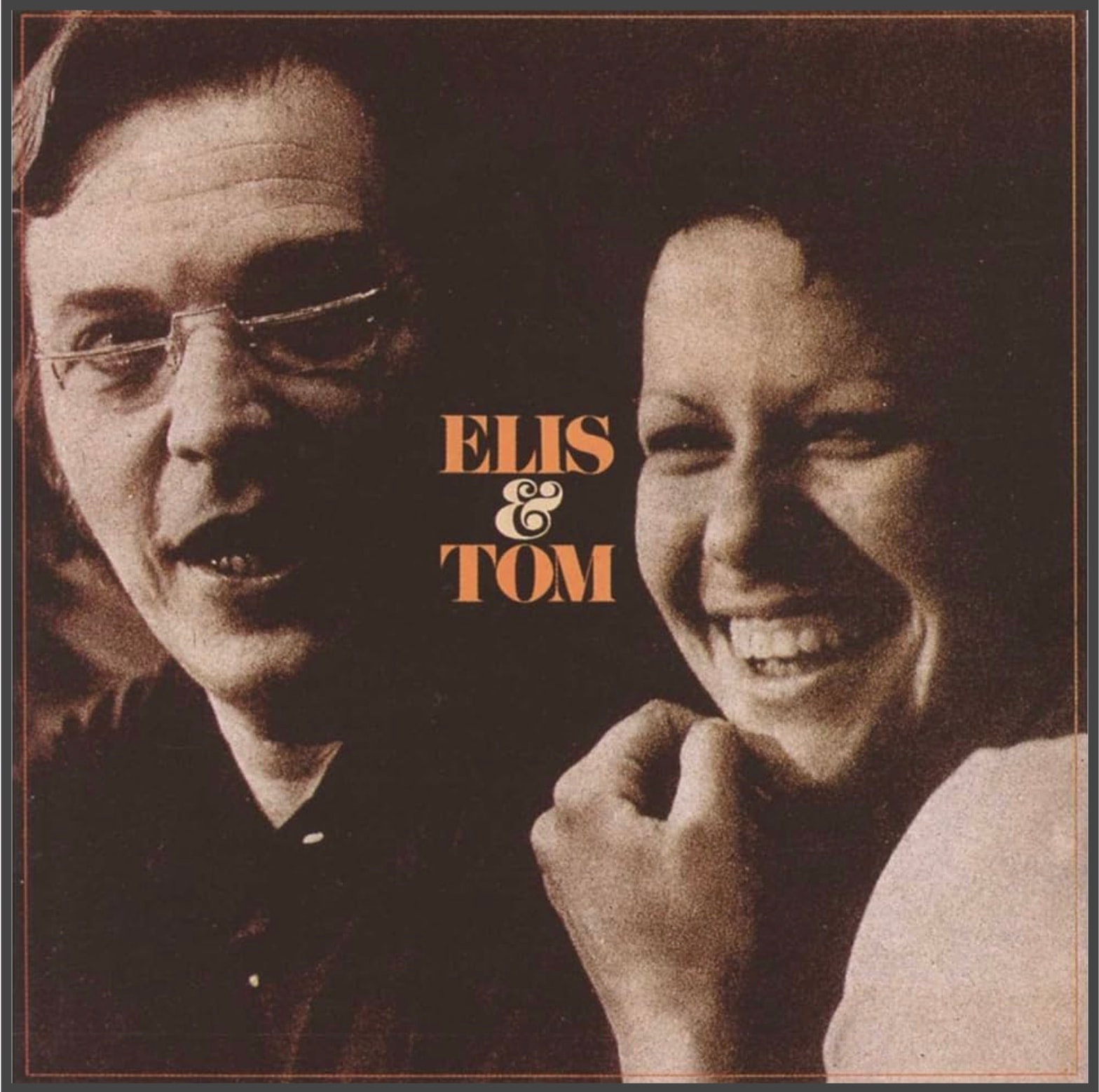
image source: Wikipedia
Elis & Tom (1974) is a Brazilian classic that pairs the great bossa nova composer Tom Jobim with one of Brazil’s most beloved vocalists, Elis Regina. While not a jazz album in the American sense, Elis & Tom is essential listening for anyone exploring Brazilian jazz/bossa traditions.
Recorded in 1974, it finds Elis and Jobim reinterpreting Jobim’s songs in an intimate, beautifully produced setting. Tracks like “Águas de Março (Waters of March)” (a playful duet between Elis and Tom), “Corcovado,” and “Inútil Paisagem” are highlights.
The chemistry between Elis’s emotive, agile voice and Jobim’s relaxed delivery and piano is magical. Elis & Tom is often cited as one of the greatest Brazilian albums ever made. It captures two giants at their peak.
Why it’s essential:
This album is a Bossa Nova masterclass. With Elis Regina’s impeccable phrasing and rhythmic feel, this album brings soul and jazz inflection to bossa nova without losing its essence. With Jobim performing his own songs alongside her, this album set a new standard for Bossa Nova.
10. Slaves Mass (1977) – Hermeto Pascoal
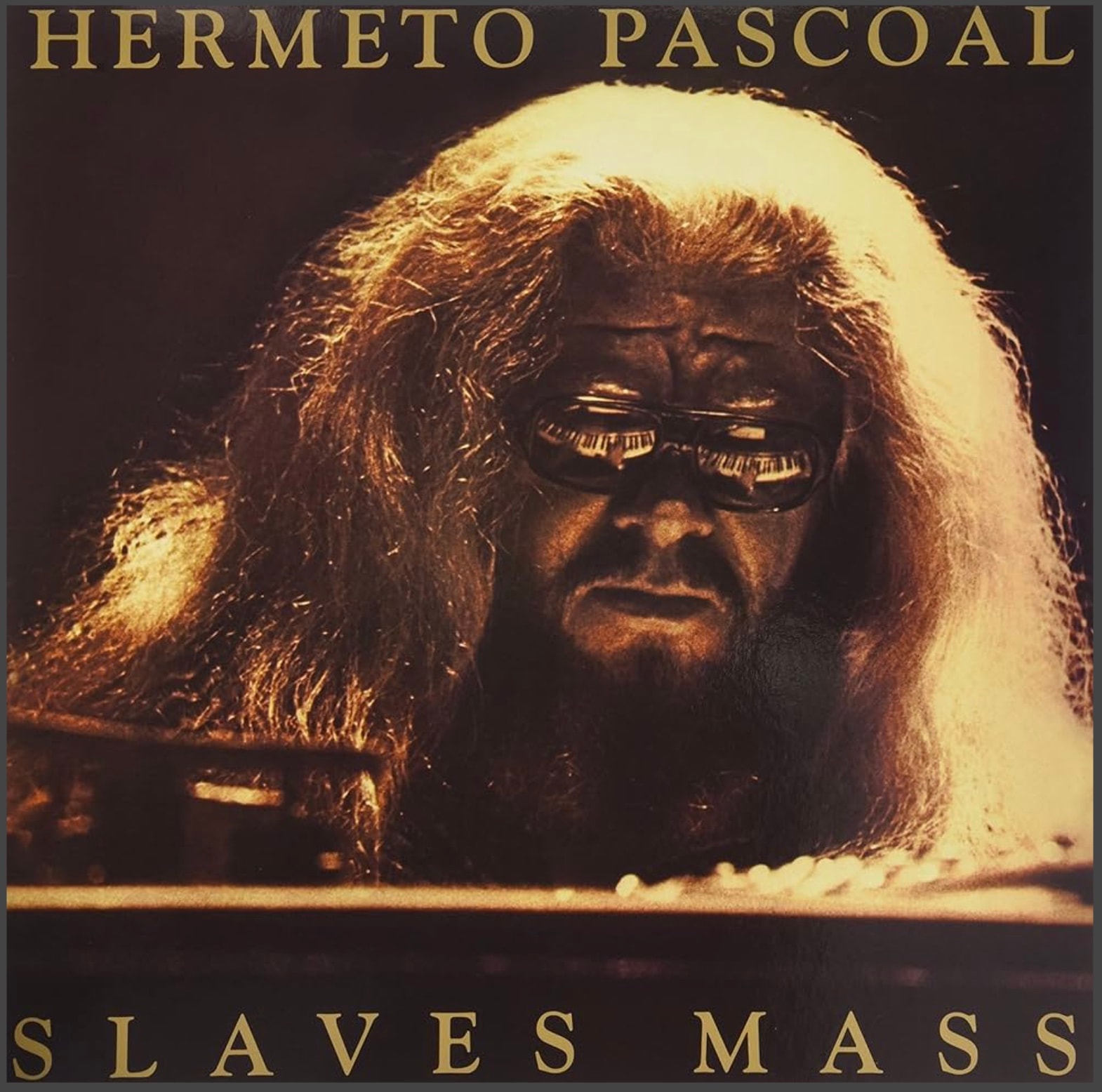
image source: Wikipedia
Slaves Mass (1977) is a wild, genre-defying ride from Brazilian multi-instrumentalist Hermeto Pascoal, often called the “Mad Scientist” of Brazilian music. Slaves Mass (Missa dos Escravos) is a fusion of jazz, Brazilian folk, funk, and avant-garde experimentation.
It’s frequently lauded as Hermeto’s masterpiece—an album that’s as imaginative as it is groovy. The lineup includes stars like Airto Moreira (percussion), Flora Purim (vocals), and Raul de Souza (trombone).
Tracks range from the funky and bizarre “Mixing Pot” (with Hermeto’s growling vocal effects) to the gorgeous folkloric melody of “Little Cry for Him” (a tribute to Cannonball Adderley). Slaves Mass has a universal appeal that bridges U.S. jazz-rock with Brazilian sounds.
Why it’s essential:
It exemplifies the boundless creativity of Latin jazz fusion in the 1970s. Hermeto Pascoal shows that Latin jazz could be profoundly experimental and still deeply rooted in tradition. This album will expand your ears – it’s unlike anything else, yet it’s very much Latin and very much jazz.
11. Amoroso (1977) – João Gilberto
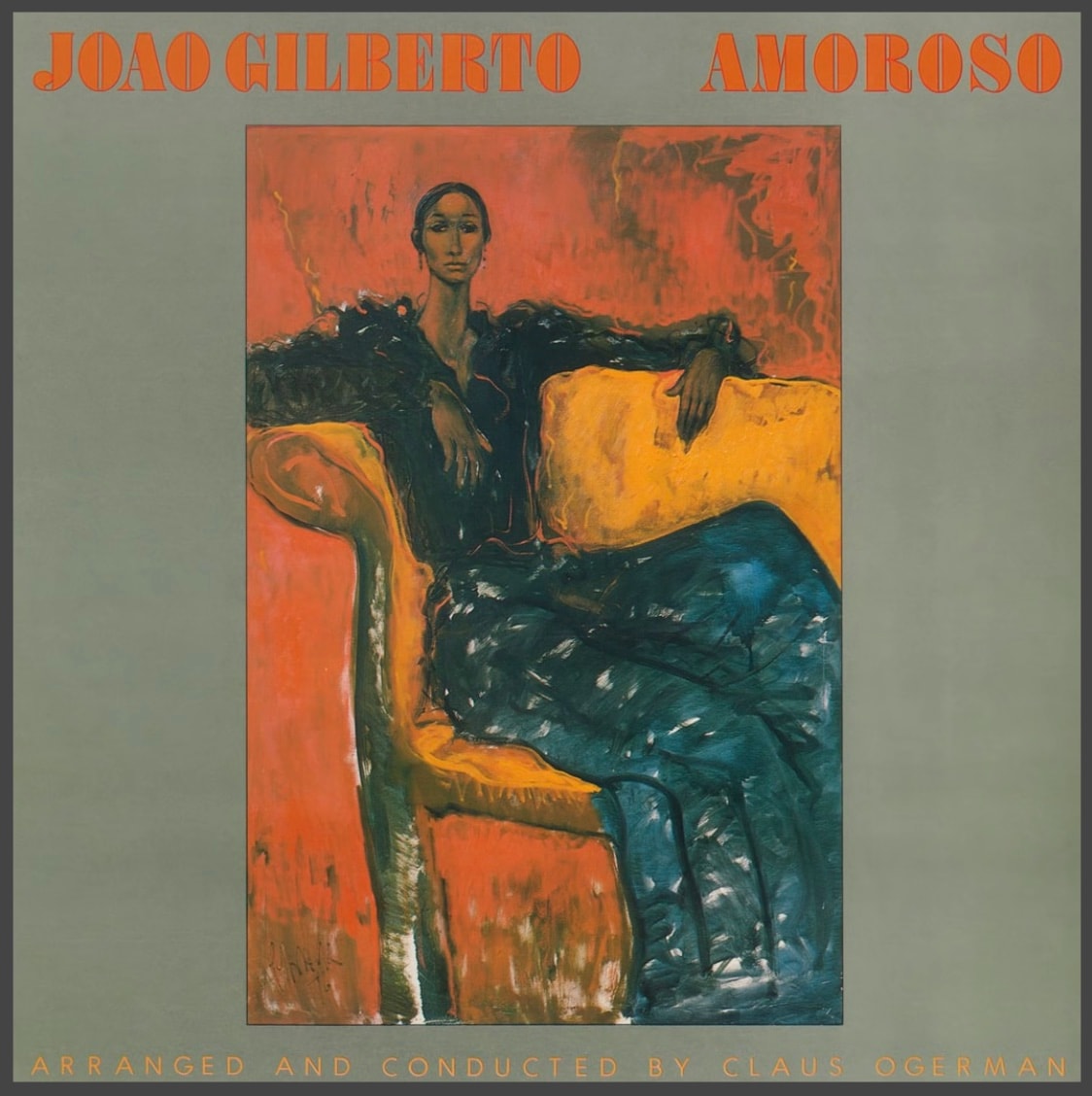
image source: Wikipedia
Amoroso (1977) pairs João Gilberto’s understated vocal and guitar style with Claus Ogerman’s lush orchestral arrangements. The set mixes Brazilian classics like Jobim’s “Wave” with American standards, showcasing Gilberto’s precision in phrasing and rhythmic mastery.
Why it’s essential:
Amoroso is a benchmark for integrating bossa nova with orchestral jazz, influencing how vocalists approach timing, dynamics, and interplay with large ensembles. It represents Gilberto’s mature artistry and remains a reference point for sophisticated bossa nova interpretation.
12. Irakere (1979) – Irakere
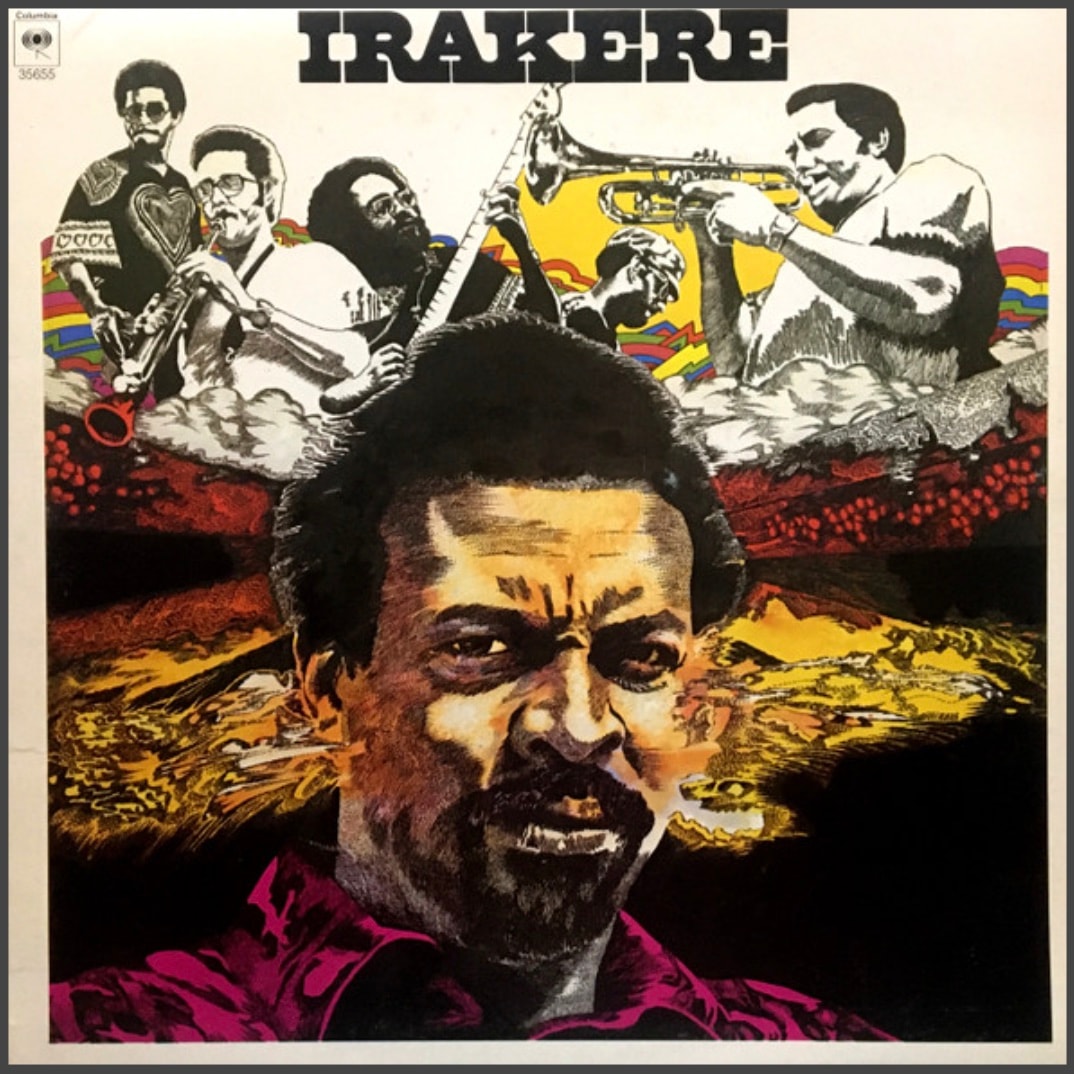
image source: Discogs
Irakere (1979) was the explosive international debut of Cuba’s supergroup Irakere, recorded live at the Newport and Montreux Jazz Festivals in 1978. This album introduced global audiences to the band’s daring fusion of Afro-Cuban jazz, sacred batá rhythms, funk, and rock.
It won the 1980 Grammy for Best Latin Recording. Signature tracks like “Misa Negra” (which begins with a percussion and vocal invocation) morph into jazz-funk improvisation. “Juana 1600” features blazing horn lines and even a synth solo amid a funky groove.
The level of virtuosity is off the charts—the trumpet, sax, and keyboard solos are jaw-dropping (played by a young Arturo Sandoval, Paquito D’Rivera, and Chucho Valdés, respectively).
Why it’s essential:
This album heralded a new era of modern Afro-Cuban jazz. It showed that Cuban musicians, even under Castro’s Cuba, were innovating in ways parallel to the U.S. fusion movement—but with their own cultural stamp.
The influence of Irakere can be heard in virtually all subsequent Cuban jazz and in many U.S. Latin jazz bands that tried to emulate that energy. Plus, historically, this record’s release was a breakthrough moment in Cold War musical diplomacy—Cuban jazz had arrived on the world stage.
13. Rumba Para Monk (1988) – Jerry González & The Fort Apache Band
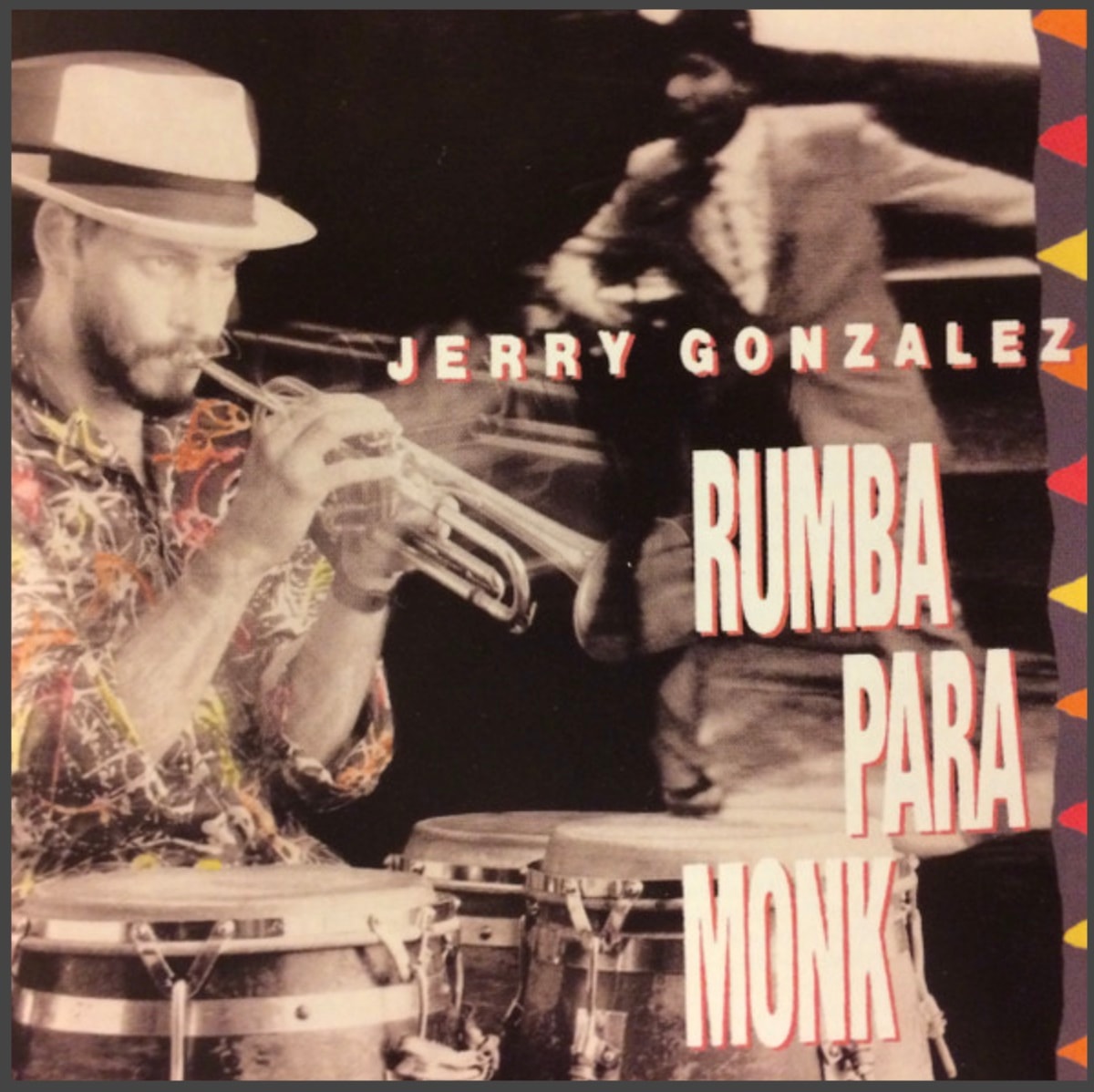
image source: Discogs
Rumba Para Monk (1988) is a pivotal Latin jazz album that pays tribute to Thelonious Monk through an Afro-Cuban lens. Bandleader Jerry González (trumpet and congas) took several of Monk’s iconic compositions – “Evidence,” “Round Midnight,” “Epistrophy,” etc. – and arranged them with rumba, guaguancó, and other Latin rhythms.
Thelonius Monk’s angular melodies and chord changes sound right at home over conga drums and bass tumbaos. This album was groundbreaking in showing that even modern jazz repertoire could be “Latinized” without losing its jazzy essence.
Rumba Para Monk earned widespread acclaim for its creativity and groove.
Why it’s essential:
Many young Latin jazz artists cite this album as a major influence in exploring new directions. It’s joyful and smart—you can dance to it or just marvel at how well Monk fits into Latin jazz feels.
14. Flight to Freedom (1991) – Arturo Sandoval
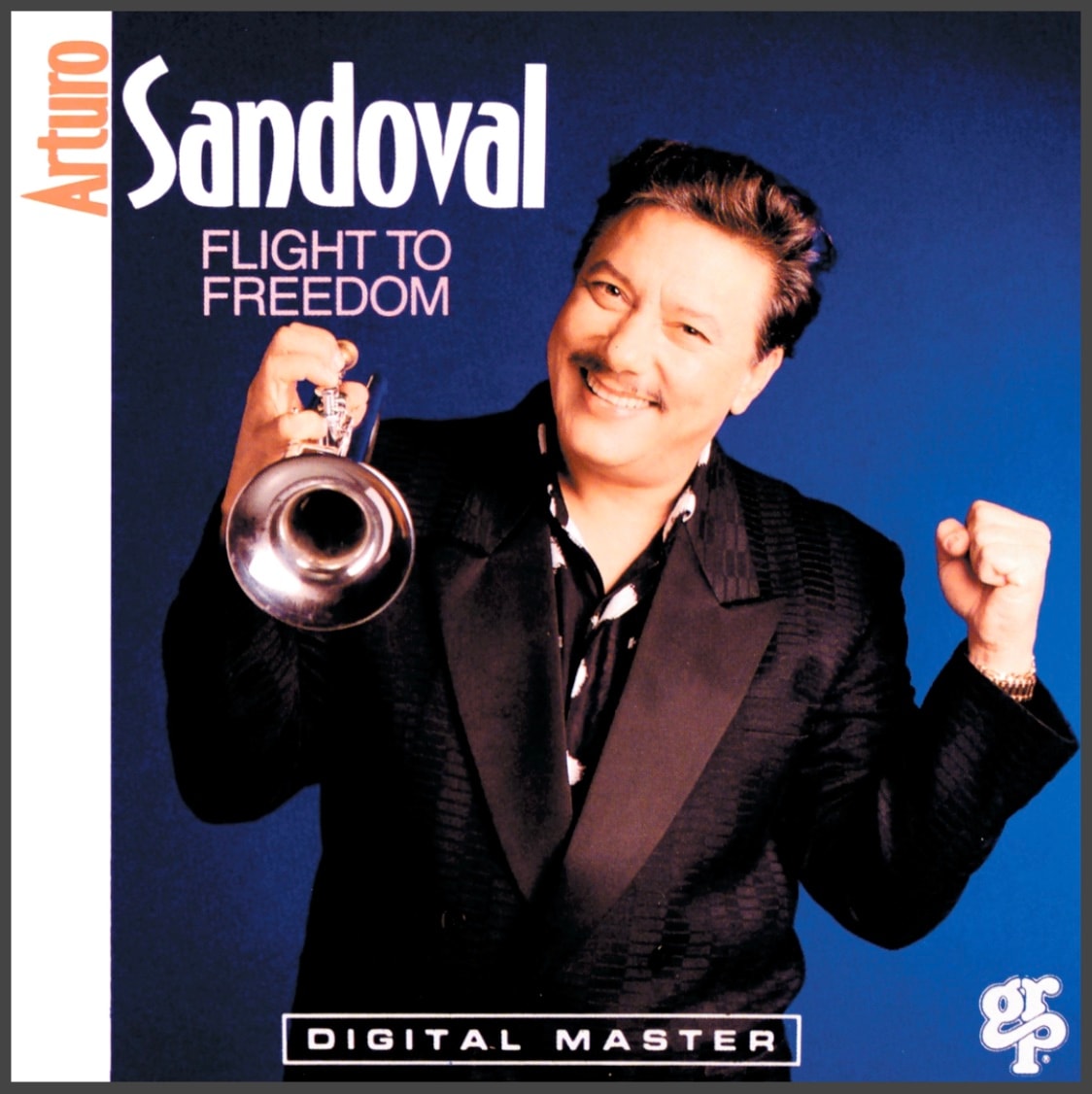
image source: Wikipedia
Flight to Freedom (1991) marked Arturo Sandoval’s U.S. debut after defecting from Cuba, serving as both a personal milestone and a significant moment in the history of Latin jazz. Featuring Chick Corea on select tracks, the album blends high-energy Afro-Cuban jazz fusion with lyrical ballads.
Learn more about legendary jazz keyboardist Chick Corea by checking out our article on the best jazz pianists of all time.
Why it’s essential:
This record introduced one of the greatest trumpet voices of his generation to American audiences, reaffirming the vitality of Afro-Cuban jazz in the 1990s. It also bridged Cuban musical traditions with the broader jazz mainstream and made Sandoval a leading ambassador for Latin jazz worldwide.
15. Nocturne (2001) – Charlie Haden (feat. Gonzalo Rubalcaba)
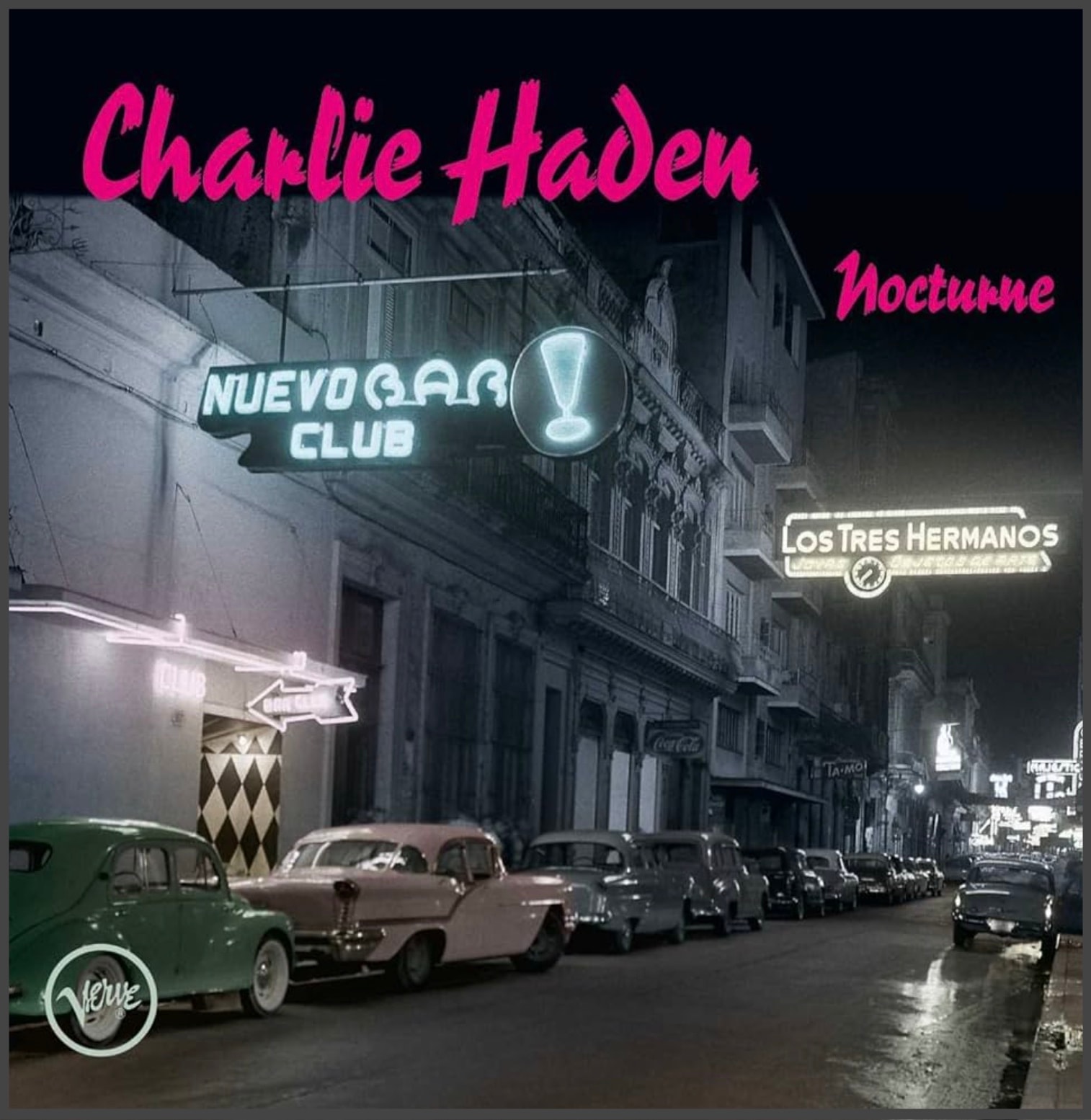
image source: Wikipedia
In Nocturne (2001), Bassist Charlie Haden teamed with Cuban pianist Gonzalo Rubalcaba to reinterpret classic Cuban and Mexican boleros. The album emphasizes the lyrical, romantic side of Latin jazz, far from the genre’s more percussive, dance-driven styles, and won the 2002 Grammy for Best Latin Jazz Album.
It featured jazz icons like Joe Lovano (saxophone) and Pat Metheny (guitar). Learn more about jazz guitarist Pat Metheny by checking out our album on the 50 greatest jazz guitarists.
Why it’s essential:
Nocturne showcases Latin jazz’s bolero tradition, proving the music can be as intimate and elegant as it is fiery. It broadened perceptions of the genre and highlighted the depth of its romantic repertoire.
Take Your Jazz Skills To The Next Level—Join the Inner Circle!
Want to learn Latin jazz songs and become the best jazz musician you can be? Check out the Learn Jazz Standards Inner Circle. We’ve got everything you need to take your jazz skills to the next level.
Improve in 30 days or less. Join the Inner Circle.