
What Is Cool Jazz? (15 Iconic, Must-Hear Cool Jazz Albums)

GOOD FOR

Learn Jazz Standards Instuments
Introducing Season 2 of the Learn Jazz Standards Podcast

You’ve probably thrown around the phrase “cool jazz” without giving it much thought. Does cool jazz describe the feel? The sound? The attitude? You might assume it’s just an adjective that happens to fit. Jazz is cool, after all.

However, the cool jazz style is an actual subgenre of jazz. It has a place in jazz history and, as a result, American history. Cool jazz had a real mission and a philosophy behind it. Any jazz lover needs to understand why cool jazz developed and learn about the jazz musicians who championed it.

Luckily, that’s exactly what we’ll cover in this article! You’ll learn

  • What Cool Jazz Is
  • The Historical Context of Cool Jazz
  • Cool Jazz’s Impact on Jazz Music and the Greater Musical World
  • Key Cool Jazz Musicians
  • Plus, 15 Incredible Cool Jazz Albums You Need to Check Out!

You’ll come away from this article with a better understanding of the cool school of Jazz music. And, you’ll have a bunch of great listening material to feed your musical mind! And speaking of your musical mind…

Want to become the best jazz musician you can be? Check out the Learn Jazz Standards Inner Circle. We’ve got everything you need to take your jazz chops and musicianship to the next level!

Improve in 30 Days or less. Join The Inner Circle.

What is Cool Jazz?

Let’s lay out a basic definition for cool jazz.

Cool jazz was a post-World War II jazz style that emerged in the late 1940s and early 1950s. It developed as a reaction to the intense complexity and fiery speed of bebop. Cool jazz favors a more relaxed, laid-back approach to music.

The cool style leaned into moderate tempos, lighter tone color, and featured sophisticated arrangements and orchestration. Where bebop emphasized fast lines and harmonic density, cool jazz offered space and drew from classical music forms and textures.

Many cool jazz recordings featured non-traditional jazz instruments like French horn, tuba, and flute. Also, many cool jazz groups broke the rules regarding what a jazz group should be. Some groups went chordless, others went drumless.

Cool jazz was in many ways the first steps into the free and avant-garde styles of jazz that would dominate in later years.

The Jazz Landscape Before Cool Jazz

Before cool jazz, bebop reigned supreme. Bebop itself was a reaction to the restrictions that the big band swing music of the 1930s placed on individual musicians seeking greater artistic fulfillment from their musical endeavors.

To protest the constraints of the swing era, Bebop champions like Charlie Parker and Dizzy Gillespie prioritized explosive tempos, angular melodies, and dense harmonies. Jazz was loud, fast, boisterous, and competitive.

It wasn’t long before the revolutionary, once liquid-hot, solidified into a mundane status quo. By the end of the 1940s, jazz musicians were seeking a new direction. There were two heirs to Bebop: Cool jazz and Hard Bop.

Both were reactions to Bebop, but they asked different questions.

  • Cool Jazz asked: How can we bring softness, sophistication, and subtlety to jazz?
  • Hard Bop asked: How can we return jazz to the soul of the people?

Check out this article to learn more about hard bop.

Jazz musicians who sought a more subdued feeling and refined approach to jazz music went on to become cool jazz champions.

Cool Jazz and American History

Cool jazz didn’t exist in a vacuum. It fits squarely into broader trends in both jazz and American history.

The ethos of cool jazz resonated with postwar American culture—a world shaped by suburban expansion, modernist design, and changing social norms. “Cool” became more than a description. It was an attitude: detached, composed, and understated.

Specifically, it was an African-American attitude.

Where Did “Cool” Come From? Tracing the Word’s Roots

The term “cool” didn’t originate with white bohemians or beatniks—it has deep roots in African American vernacular, culture, and aesthetics, going back long before it was attached to jazz or midcentury style.

In African American communities—particularly throughout the 20th century—being “cool” was more than just a mood or fashion choice. Being cool was a form of psychological armor, a method of maintaining dignity, calm, and self-possession in the face of systemic racism and social marginalization.

To be cool was to be in control—to project composure, confidence, and elegance, even under pressure.

Being cool was about spiritual balance, emotional restraint, and social survival. This ethos bled into mainstream American culture through the beatniks and through white jazz musicians who embraced the cool style.

The Miles Davis Aesthetic

Miles Davis, for example, was famously cool—not just in the tone of his horn, but in his demeanor and presence. He rarely raised his voice, avoided theatrical gestures, and let the music speak with economy and understatement.

This attitude wasn’t indifference—it was control, confidence, and subtlety. This quote by Miles Davis sums up the cool aesthetic perfectly. When asked if Black musicians played music differently because of the impact of slavery, Miles said:

“Listen… My father’s rich and my momma’s good looking, and I can play the blues. I’ve never suffered and don’t intend to suffer.” – Miles Davis, 60 Minutes. 1989.

This response sums up the cool attitude perfectly. Miles doesn’t reveal anything to the interviewer and brushes off the question by insisting he never suffered and doesn’t plan on suffering. This is the psychological armor of coolness in action.

Check out the full 60 Minutes interview with Miles Davis:

Learn more about Miles Davis by checking out this article on the 50 greatest jazz musicians of all time!

Important Cool Jazz Musicians & Groups

These were the most impactful figures in the cool era of jazz.

  • Miles Davis and the Miles Davis Nonet: Birth of the Cool featured French horn, tuba, and Gil Evans’ orchestrations. A cornerstone recording.
  • Modern Jazz Quartet: Blended classical form with jazz improvisation, bringing formality and poise to small group jazz.
  • Gerry Mulligan & Chet Baker Quartet: Famous for their piano-less quartet, built on counterpoint and melodic balance.
  • Stan Getz, Paul Desmond, Dave Brubeck: West Coast players who emphasized lyricism, swing, and clarity.
  • Lennie Tristano, Lee Konitz, Warne Marsh: New York musicians who took a cerebral, linear approach to improvisation.
  • Chico Hamilton, Jimmy Giuffre, George Shearing: Known for subtle textures, orchestrated lines, and unusual instrumentation.

15 Essential Cool Jazz Albums

If you want to get a handle on cool jazz, then you should check out these 15 essential cool jazz albums. They’ll help paint a picture of the cool style and distinctive sound of cool jazz.

1. Birth of the Cool (1957) – Miles Davis
Birth of the Cool Album Cover

image source: discogs.com

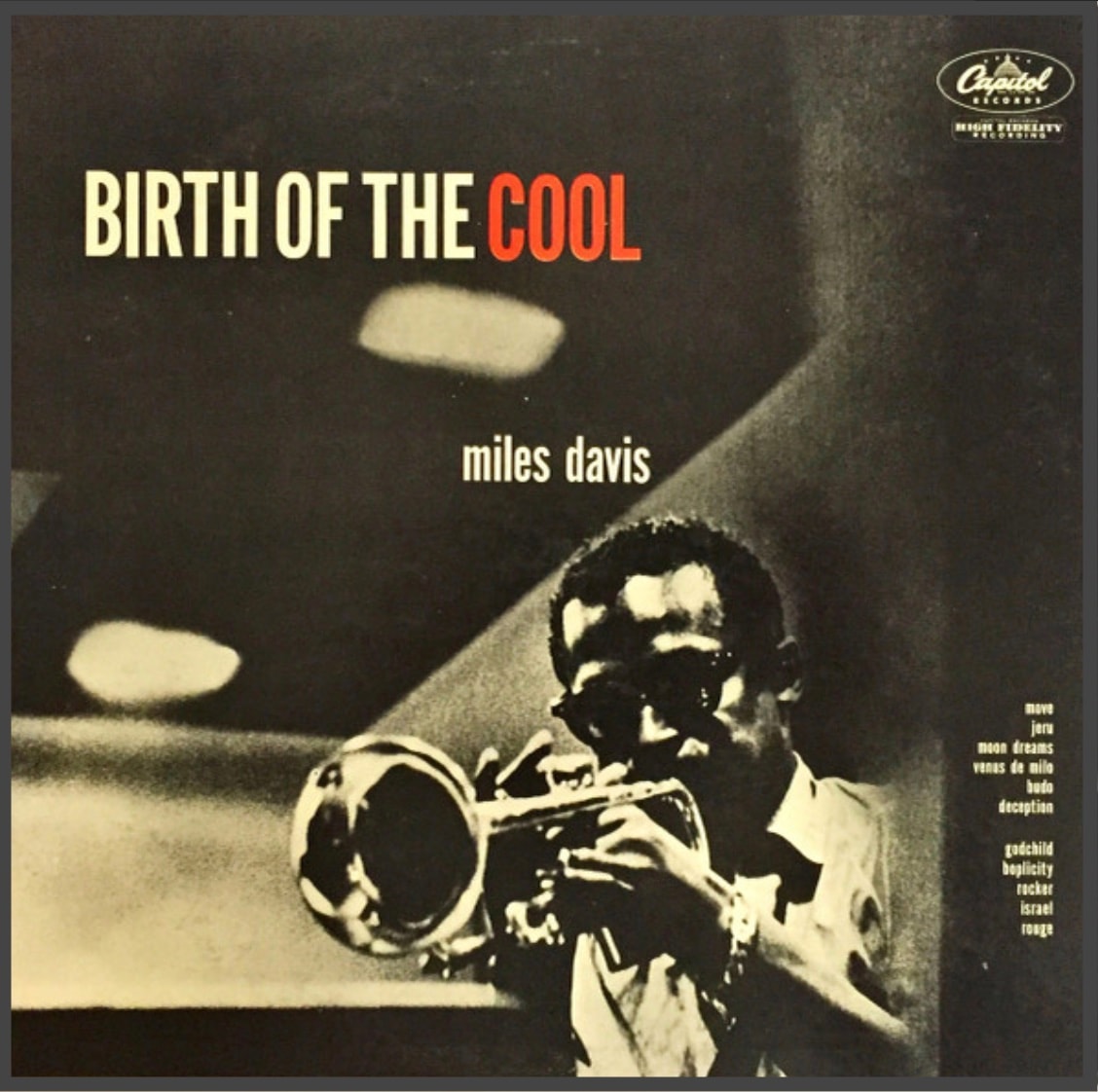
Birth of the Cool is a landmark album in the history of cool jazz. It was recorded across three sessions in New York City between January 1949 and March 1950 and was released by Capitol Records in 1957 as a compilation.

Birth of the Cool features a nonet led by Miles Davis, with arrangements by Gil Evans, Gerry Mulligan, and John Lewis. The instrumentation included French horn and tuba, giving the ensemble a chamber-like texture that contrasted sharply with the aggressive edge of bebop.

This album is essential to the cool jazz movement because it established many of the style’s defining traits: moderate tempos, restrained dynamics, blended tone colors, and an emphasis on arranged ensemble passages over virtuosic soloing.

Listen to the full album here:

2. Pyramid (1960) – Modern Jazz Quartet
Pyramid Modern Jazz Quartet Album Cover

image source: Wikipedia

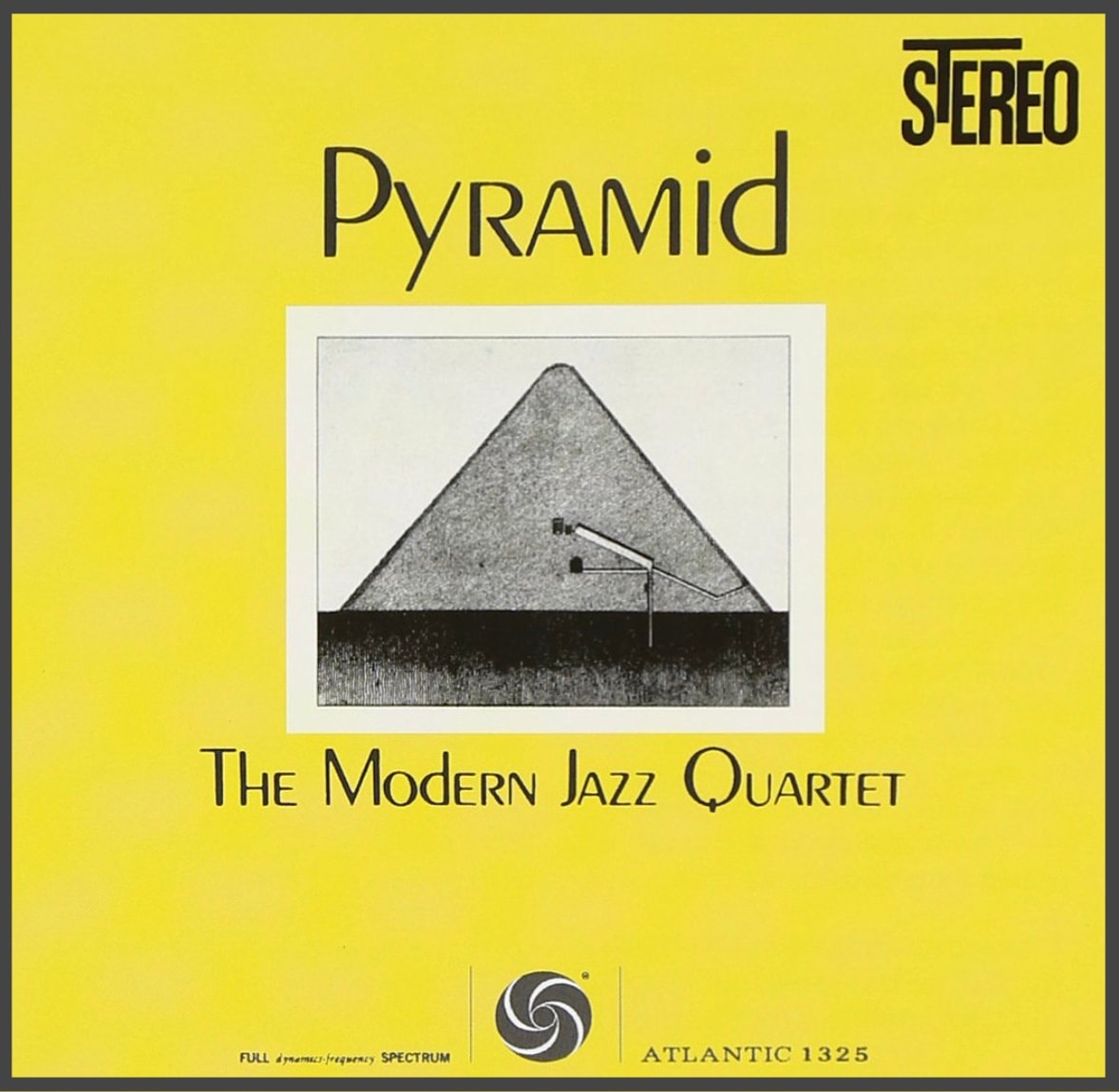
Pyramid was recorded in 1959 and released in 1960 by the Modern Jazz Quartet. The Modern Jazz Quartet, consisting of John Lewis (piano), Milt Jackson (vibraphone), Percy Heath (bass), and Connie Kay (drums), was known for blending jazz instrumentation with classical forms and aesthetics.

The Modern Jazz Quartet, shortened to MJQ, created a disciplined, polished, and elegant sound that became central to the cool jazz style. The MJQ’s approach emphasizes balance over flash, and structure over spontaneity, without losing the essence of jazz.

Pyramid is an essential cool jazz album because it captures the MJQ at a mature point in their development, fully committed to a restrained and thoughtful sound. The group’s precise interactions and commitment to form made them a model for chamber jazz and a defining voice of the cool jazz era.

Check out this essential cool jazz era album:

3. Volume 1 (1952) – Gerry Mulligan Quartet
Volume 1 Gerry Mulligan Quartet

image source: Wikipedia

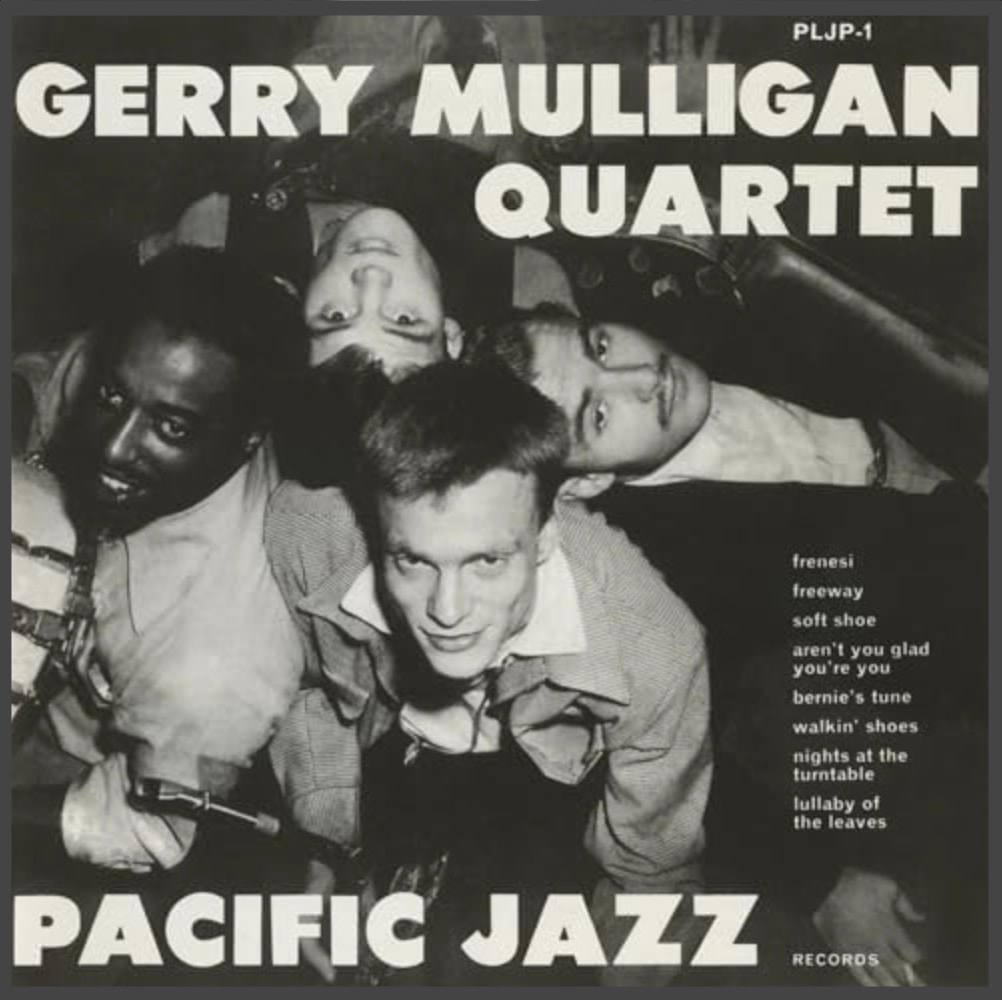
Recorded in 1952 and released the same year on Pacific Jazz Records, Gerry Mulligan Quartet: Volume 1 is a foundational West Coast cool jazz album. The quartet featured baritone saxophonist Gerry Mulligan, trumpeter Chet Baker, bassist Carson Smith, and drummer Chico Hamilton.

The group was notable for its absence of a piano, which resulted in a more open harmonic space and encouraged counterpoint between Mulligan and Baker. Their group’s sound was relaxed, open, and smooth—qualities that became defining characteristics of cool jazz.

Volume 1 is essential because it established a new model for small-group jazz: leaner, more transparent textures, and a conversational approach to jazz improvisation. The album helped solidify the West Coast sound and confirmed Mulligan and Baker as key figures in the cool jazz movement.

Check out this incredible and foundational cool jazz album.

Learn more about Chet Baker in this article on the 50 best jazz trumpet players of all time.

4. Time Out (1959) – Dave Brubeck Quartet
Time Out Dave Brubeck Quartet

image source: Wikipedia

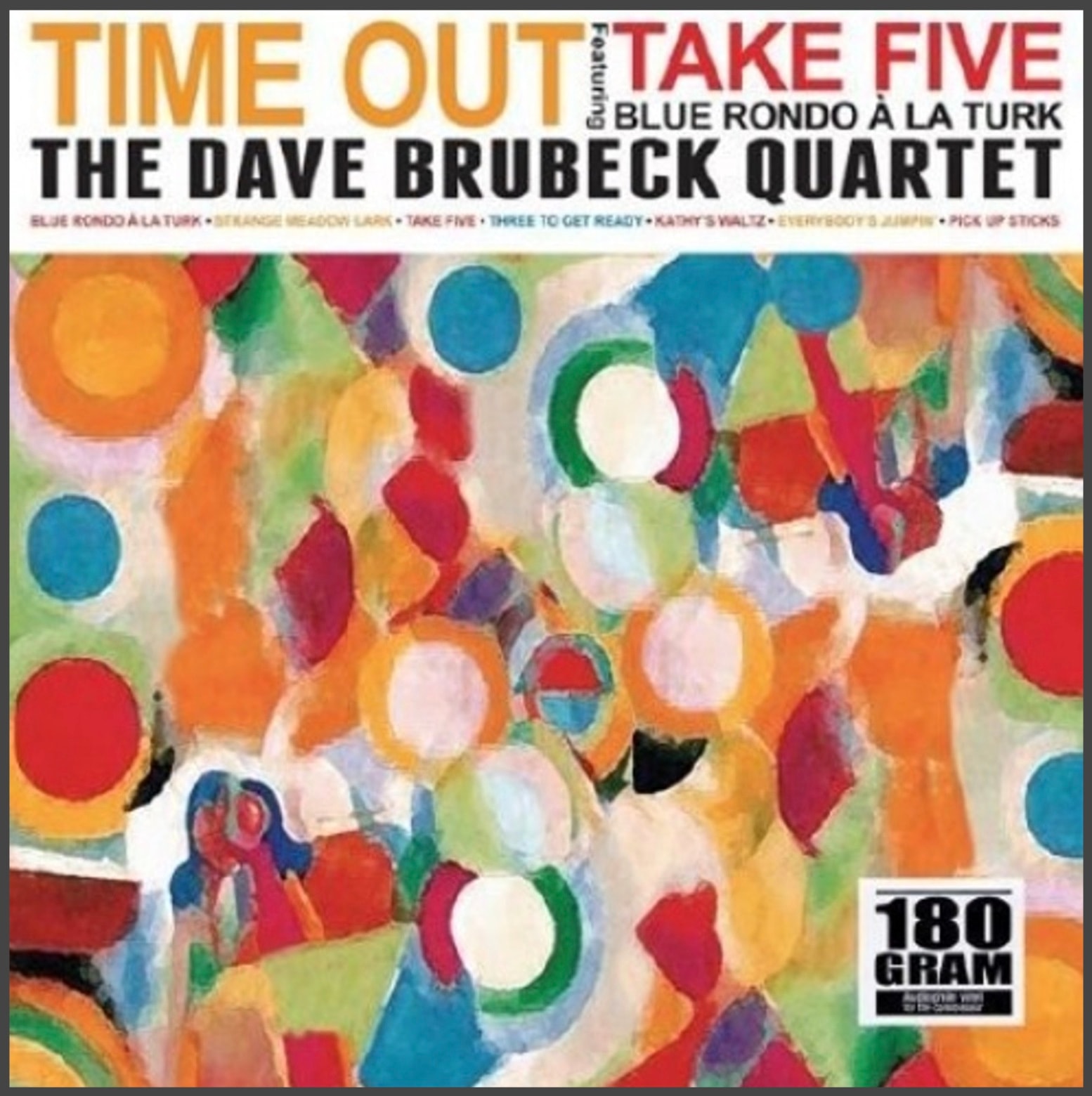
Time Out was recorded in 1959 and released by Columbia Records that same year. The Dave Brubeck Quartet featured Dave Brubeck on piano, Paul Desmond on alto saxophone, Eugene Wright on bass, and Joe Morello on drums.

The album is best known for its innovative use of odd time signatures, including 5/4, 9/8, and 6/4, breaking from the standard 4/4 swing feel that dominated jazz at the time. Tracks like “Take Five” (written by Desmond) and “Blue Rondo à la Turk” became jazz standards and commercial successes.

“Take Five” in particular became one of the best-selling jazz singles ever.

Time Out is essential to cool jazz because it combines intellectual experimentation with a smooth, accessible sound. The quartet’s cool tone, precise execution, and focus on rhythm and form reflected the aesthetic priorities of the cool jazz movement.

In fact, this album is considered one of the best and most successful albums of all time due to its crossover appeal and groundbreaking use of odd meter. Check out this article to learn more about the greatest jazz albums of all time.

Listen to this iconic cool jazz album.

Learn more about Dave Brubeck in this article on the best jazz pianists of all time.

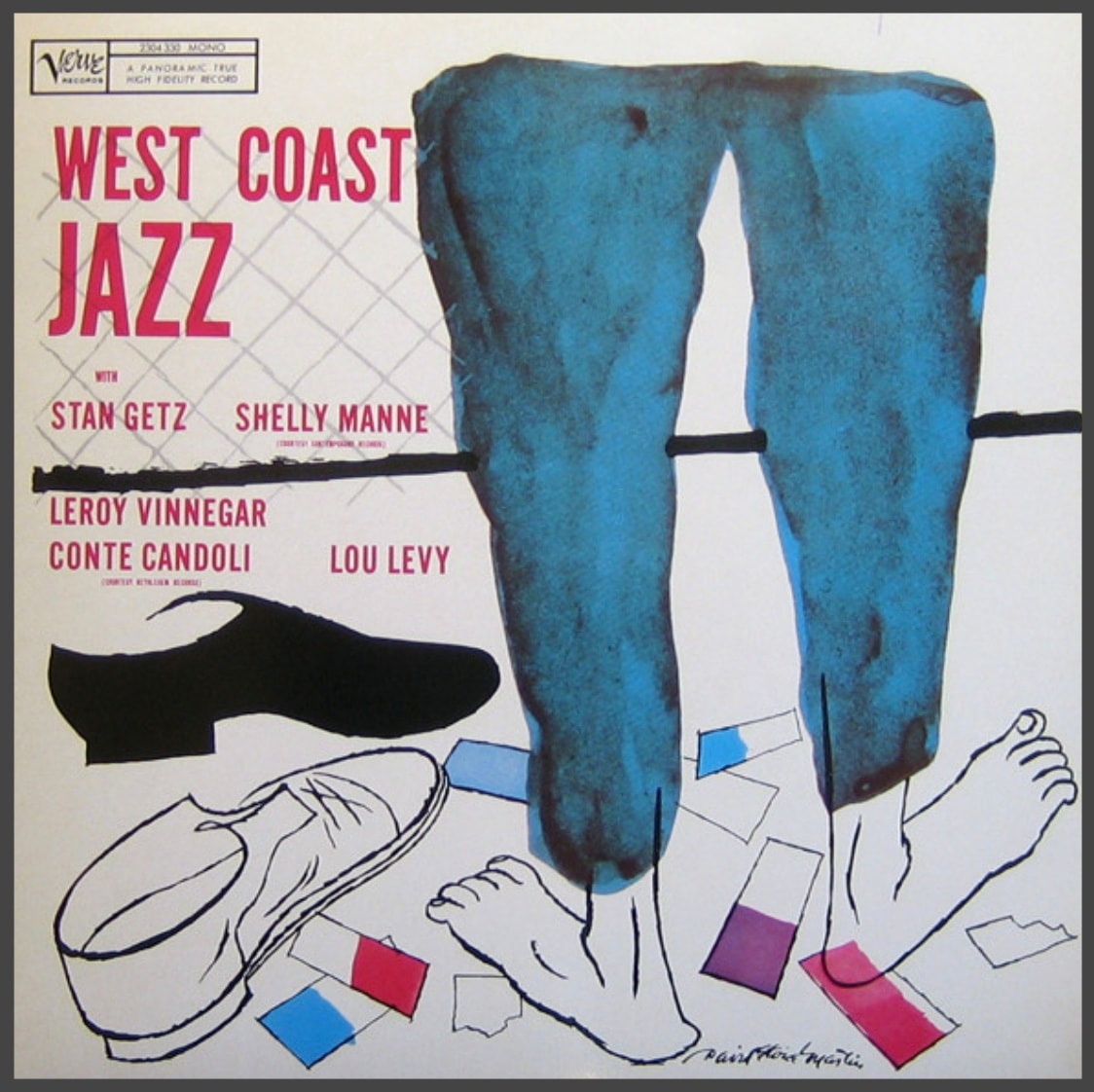
5. West Coast Jazz (1955) – Stan Getz
West Coast Jazz Stan Getz

image source: Wikipedia

West Coast Jazz was recorded in August 1955 and released later that year on Norgran Records. Despite the title, the album was recorded in Los Angeles while Stan Getz was on tour, and it features a band of top West Coast-based musicians, including Conte Candoli (trumpet), Lou Levy (piano), Leroy Vinnegar (bass), and Shelly Manne (drums).

The cool jazz album is characterized by its relaxed feel, melodic phrasing, and tight ensemble playing. Getz’s signature warm, lyrical tenor tone is the centerpiece. The repertoire mixes standards with up-tempo bebop-inspired originals, bridging cool jazz sensibilities with technical fluency.

West Coast Jazz is an essential cool jazz album because it showcases the West Coast sound at a high level of execution. It captures Getz’s cool, polished style in a small-group context and highlights the contributions of the region’s top rhythm section players to the cool jazz aesthetic.

Check out this influential, cool era Stan Getz album

Learn more about Stan Getz in the article on the best jazz saxophone players.

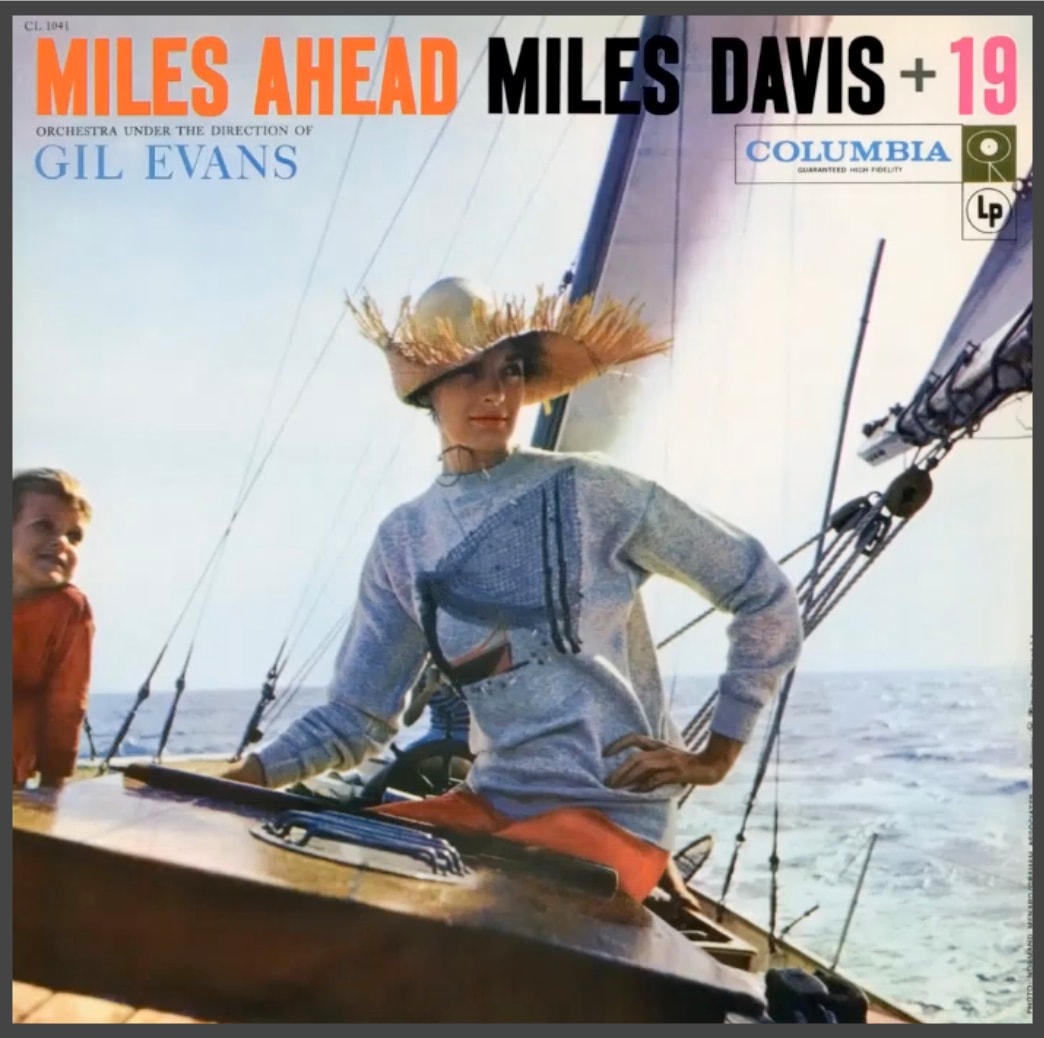
6. Miles Ahead (1957) – Miles Davis & Gil Evans
Miles Ahead Miles Davis & Gil Evans

image source: Wikimedia Commons

Miles Ahead was recorded in 1957 and released by Columbia Records that same year. It marked the first full-length collaboration between trumpeter Miles Davis and arranger Gil Evans since their earlier work on Birth of the Cool.

The album features Davis as the sole soloist, backed by a 19-piece orchestra arranged and conducted by Evans. Unlike typical small-group cool jazz recordings, Miles Ahead uses large ensemble textures, woodwinds, French horns, and tuba to create a rich, orchestral sound.

The music flows as a continuous suite, with tracks blending seamlessly into one another. Davis plays flugelhorn throughout the album, favoring a warm, mellow tone that matches Evans’s smooth and layered arrangements.

Miles Ahead is essential to cool jazz for its expansion of the genre’s aesthetic into orchestral territory. It helped define the “third stream” movement—blending jazz and classical influences—while maintaining the cool jazz priorities of restraint, nuance, and tonal clarity.

The album was another example of Miles Davis’s ability to reinvent himself. That knack for musical reinvention would carry him until the end of his life.

Check out this essential Miles Davis album from the cool era.

BEFORE YOU CONTINUE...

If you struggle to learn jazz standards by ear, memorize them, and not get lost in the song form, then our free guide will completely change the way you learn tunes forever.

Learn Jazz Standards The Smart Way Ebook Cover

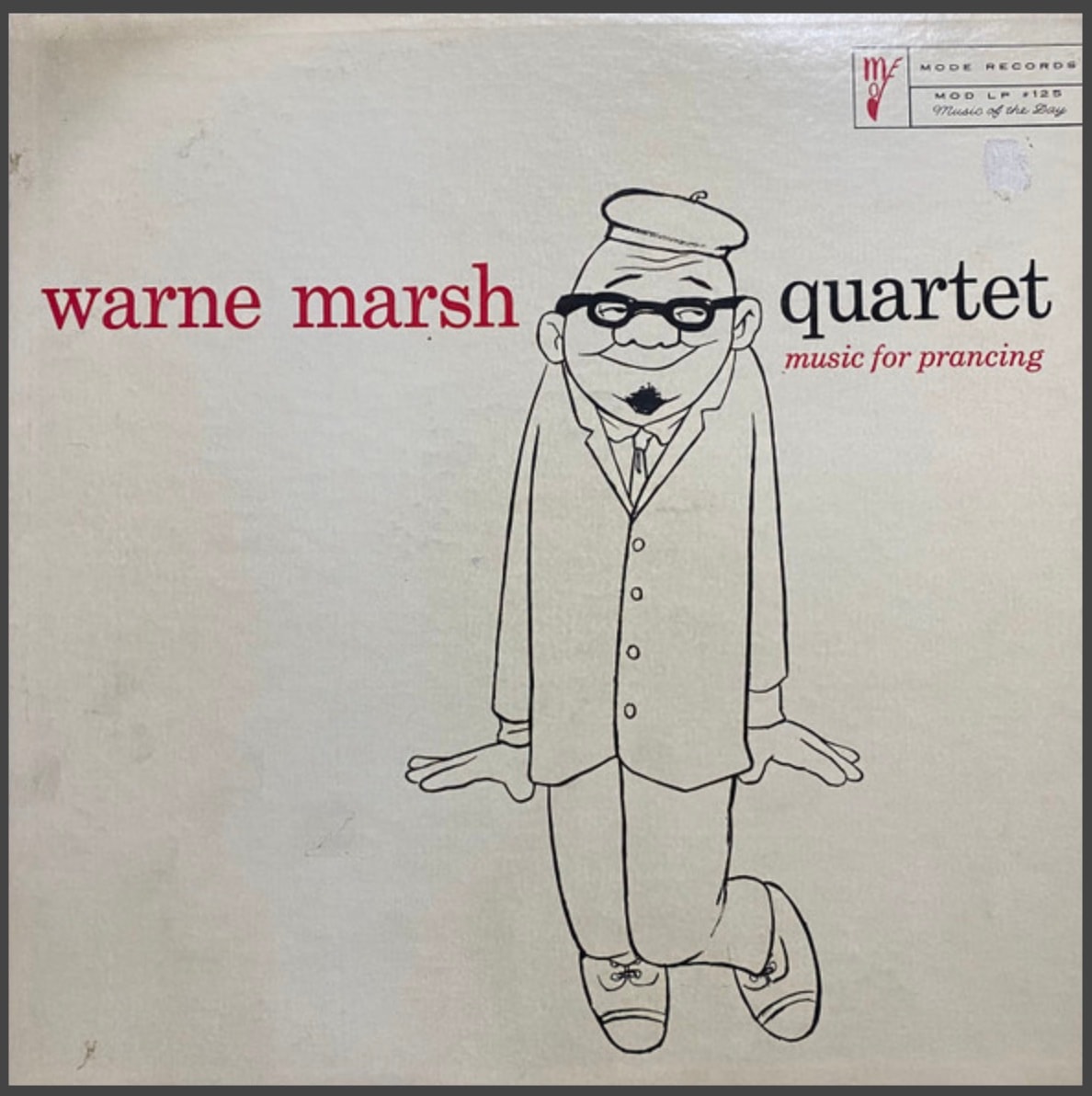
7. Music for Prancing (1957) – Warne Marsh
Music for Prancing (1957) - Warne Marsh

image source: Wikipedia

Warne Marsh’s Music for Prancing is a perfect example of cool jazz that swings hard without ever sounding aggressive. Recorded in 1957 for the Mode label, this album features Marsh’s dry-toned, linear tenor saxophone in a quartet setting that favors melodic logic over flash.

A devoted student of Lennie Tristano, Marsh carried forward the Tristano school’s core values: long, flowing eighth-note lines, rhythmic independence, and an almost classical emphasis on voice leading.

But unlike Tristano’s often austere studio recordings, Music for Prancing feels loose, accessible, and even joyful at times. There’s a lightness to Marsh’s touch—even in harmonically complex passages—that places this album squarely within the cool jazz ethos.

Check out the Wayne Marsh album Music for Prancing.

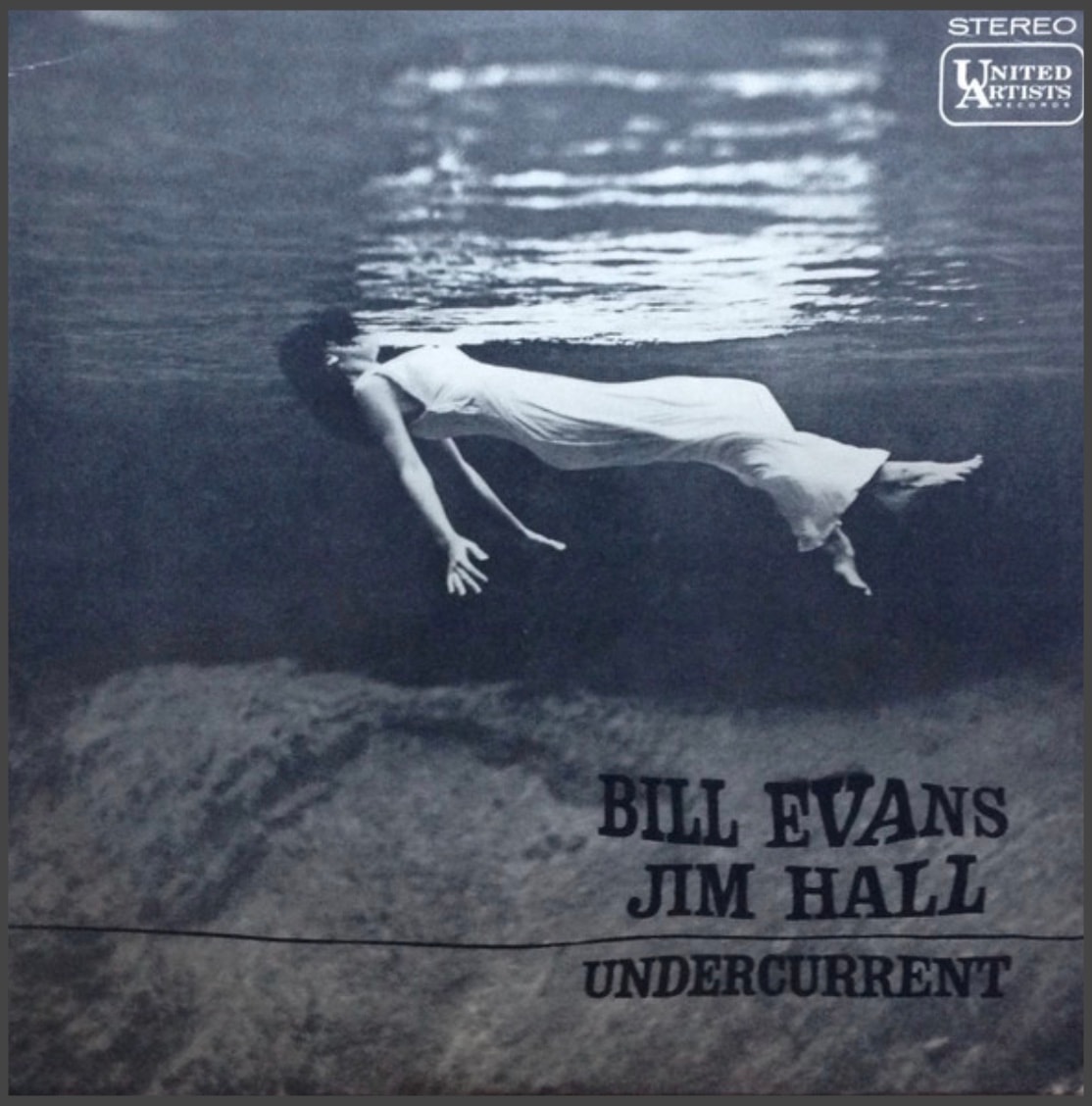
8. Undercurrent (1962) – Bill Evans & Jim Hall
Undercurrent Bill Evans & Jim Hall

image source: Wikipedia

Undercurrent was recorded in April and May of 1962 and released later that year on United Artists Records. It features pianist Bill Evans and guitarist Jim Hall in a stripped-down duo setting, without bass or drums. The album is known for its quietly intense music and masterfully incredible interactions.

Evans and Hall explore space and dynamics with remarkable nuance. Their dialogue is intimate and conversational, with both players listening deeply and leaving room for silence. The repertoire includes standards like “My Funny Valentine” alongside lesser-known tunes and originals.

Undercurrent is essential to cool jazz because it exemplifies the genre’s emphasis on understatement, tonal beauty, and interaction. Rather than showcasing technical display, the album focuses on mood, texture, and creative collaboration—hallmarks of the cool jazz aesthetic.

Check out this pivotal cool jazz duo album.

Learn more about Jim Hall by checking out this article on the best jazz guitarists of all time.

9. Jazz på Svenska (1964) – Jan Johansson
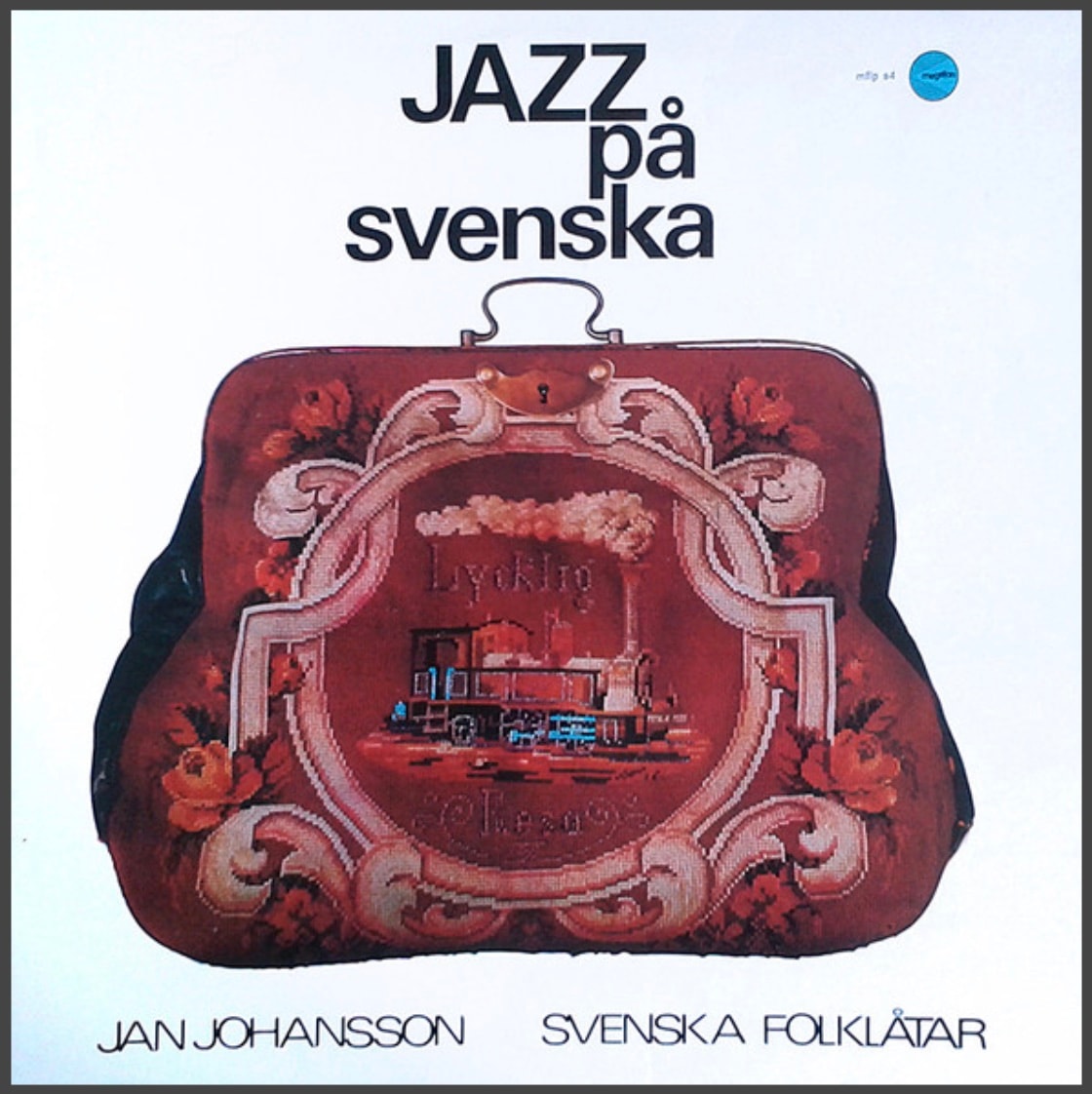
Jazz på Svenska (1964) - Jan Johansson

image source: Wikipedia

Jazz på Svenska was recorded in 1962 and 1963 and released in 1964. The album features Swedish pianist Jan Johansson and bassist Georg Riedel performing jazz interpretations of traditional Swedish folk melodies. The title translates to “Jazz in Swedish.”

The music is minimal, spacious, and highly melodic. Johansson preserves the character of the original folk tunes while reharmonizing them through a cool jazz lens. The duo format allows for quiet interplay and a focus on mood over complexity.

Jazz på Svenska is essential to cool jazz for its demonstration of how the style’s values—clarity, space, lyricism—can be applied across cultural traditions. The album became one of the best-selling jazz records in Swedish history and is a landmark in European jazz.

Check out this incredible cool jazz album in full.

10. Chet Baker Sings (1954) – Chet Baker
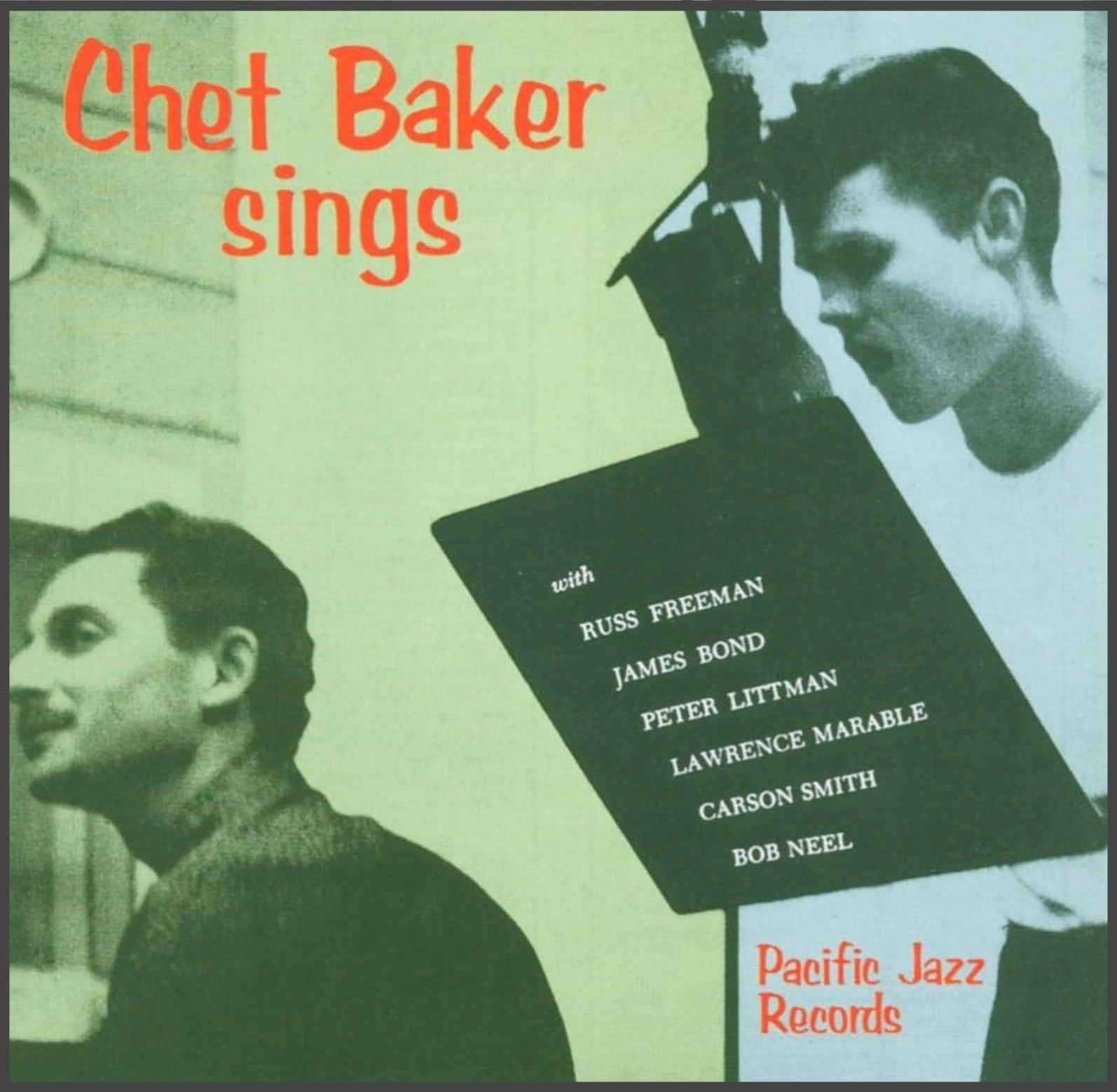
Chet Baker Sings Album Cover

image source: Wikipedia

Few albums capture the emotional undercurrent of cool jazz quite like Chet Baker Sings. Released in 1954, this album helped cement the West Coast cool jazz identity. Though Baker had already made his name as a trumpeter with the Gerry Mulligan Quartet, this vocal debut was a bold and unexpected turn.

His singing voice is light, airy, and almost boyish—marked by a disarming vulnerability that contrasted sharply with the hard-edged masculinity of bebop-era jazz heroes. Yet, that was the point. Baker’s phrasing mirrors his trumpet playing: melodically spare, rhythmically fluid, and emotionally understated.

He doesn’t belt or embellish. He simply delivers the song with a delicate honesty that exemplifies the cool jazz ethos: less is more.

Check out Chet Baker Sings!

11. At the Pershing: But Not for Me (1958) – Ahmad Jamal
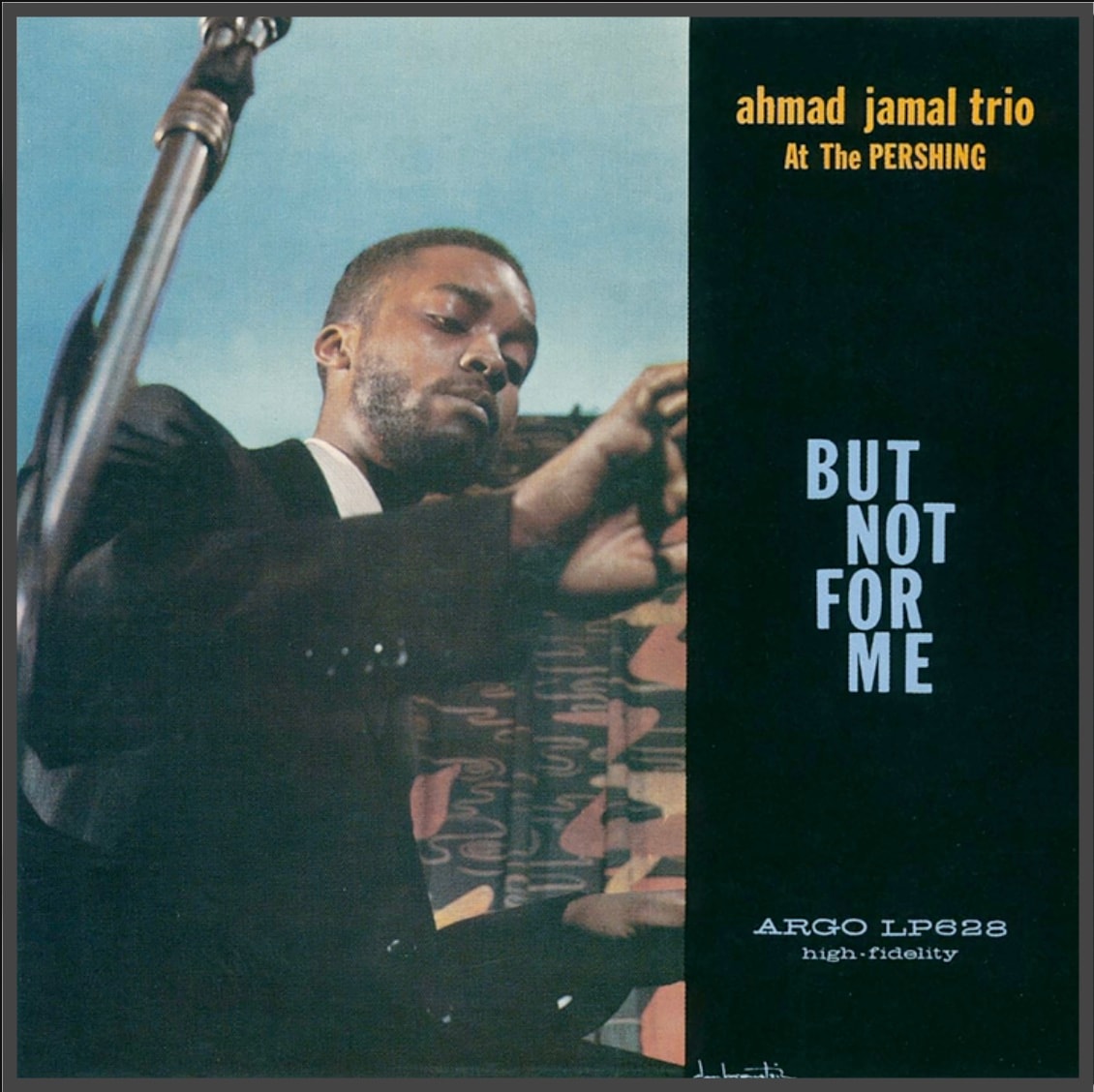
At the Pershing: But Not for Me Ahmad Jamal

image source: Wikipedia

At the Pershing: But Not for Me was recorded live on January 16, 1958, at the Pershing Lounge in Chicago and released later that year on Argo Records. The trio featured Ahmad Jamal on piano, Israel Crosby on bass, and Vernel Fournier on drums.

The album is celebrated for its spacious arrangements, subtle dynamics, and precise group interaction. Jamal’s playing emphasizes economy—he often uses silence, light touch, and repetition to build tension and shape phrases.

The rhythm section responds with restraint and clarity, creating a tight, elegant sound. The track “Poinciana” became a breakout hit and a defining piece of his career.

This album is essential to cool jazz because it embodies many of the genre’s key values: understatement, tonal control, and structural clarity. Miles Davis frequently cited Jamal as a major influence, particularly admiring his use of space and dynamics.

Check out this incredible live album:

12. In Hi Fi (1956) – Chico Hamilton Quintet
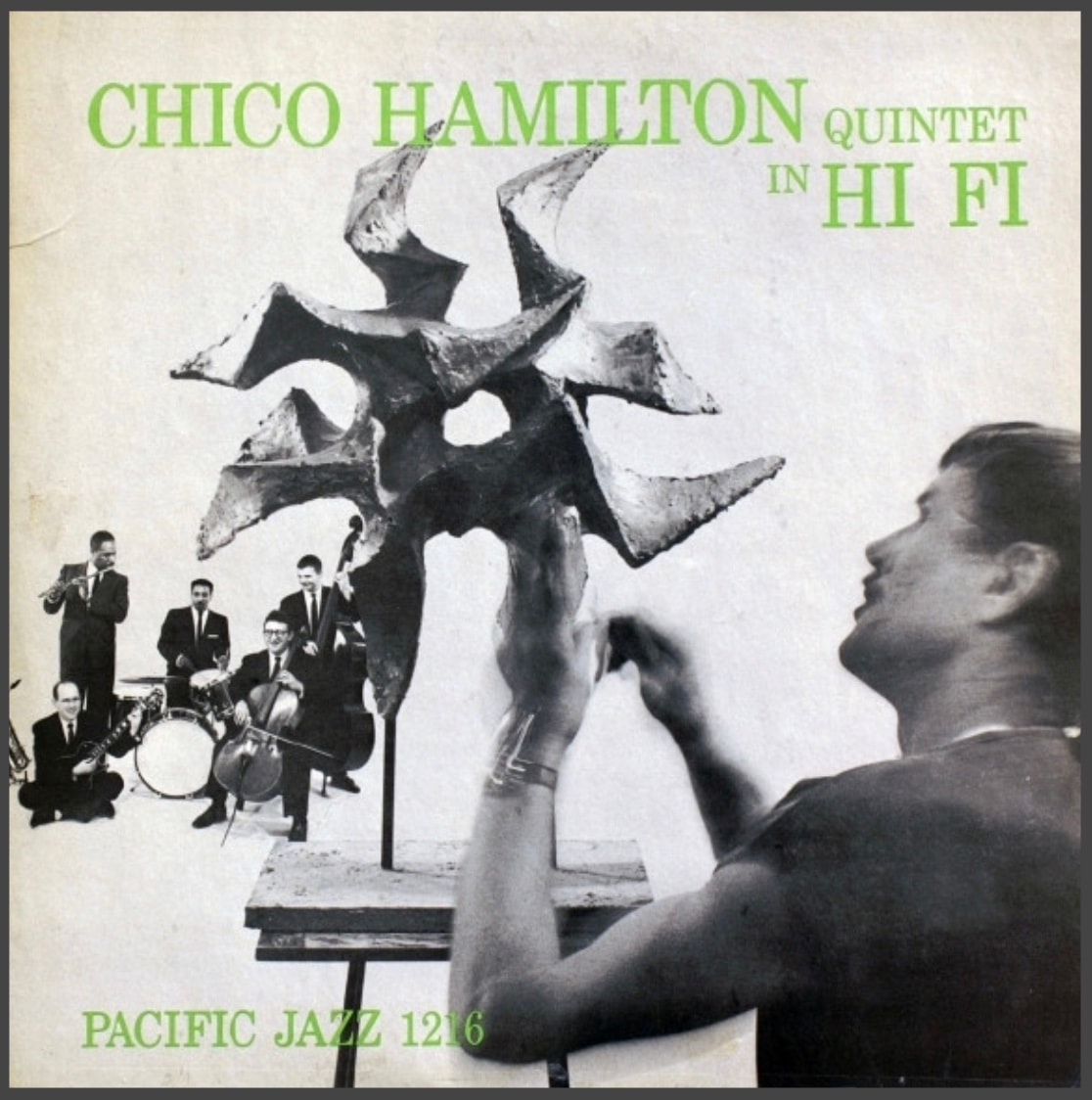
In Hi Fi (1956) - Chico Hamilton Quintet

image source: Wikipedia Commons

In Hi Fi was recorded in 1956 and released by Pacific Jazz Records. The album features Chico Hamilton on drums, Buddy Collette on reeds, Fred Katz on cello, Jim Hall on guitar, and Carson Smith on bass.

This unconventional lineup—with cello in a central role—helped define the chamber-jazz aesthetic associated with West Coast cool jazz. The music emphasizes subtlety, texture, and group interaction over individual virtuosity.

Hamilton’s drumming is light and brush-driven, while Collette and Hall bring their lyrical musicianship to the ensemble. The use of cello adds a warm, orchestral voice, blending classical elements with jazz improvisation in a way that was rare at the time.

In Hi Fi is essential to cool jazz for its innovation in instrumentation and mood. It represents a particularly West Coast version of cool, blending modernist ideas with laid-back swing and a cinematic sense of space.

Check out the track “Topsy” off of this classic cool jazz album:

13. Jimmy Giuffre 3 (1957) – Jimmy Giuffre 3
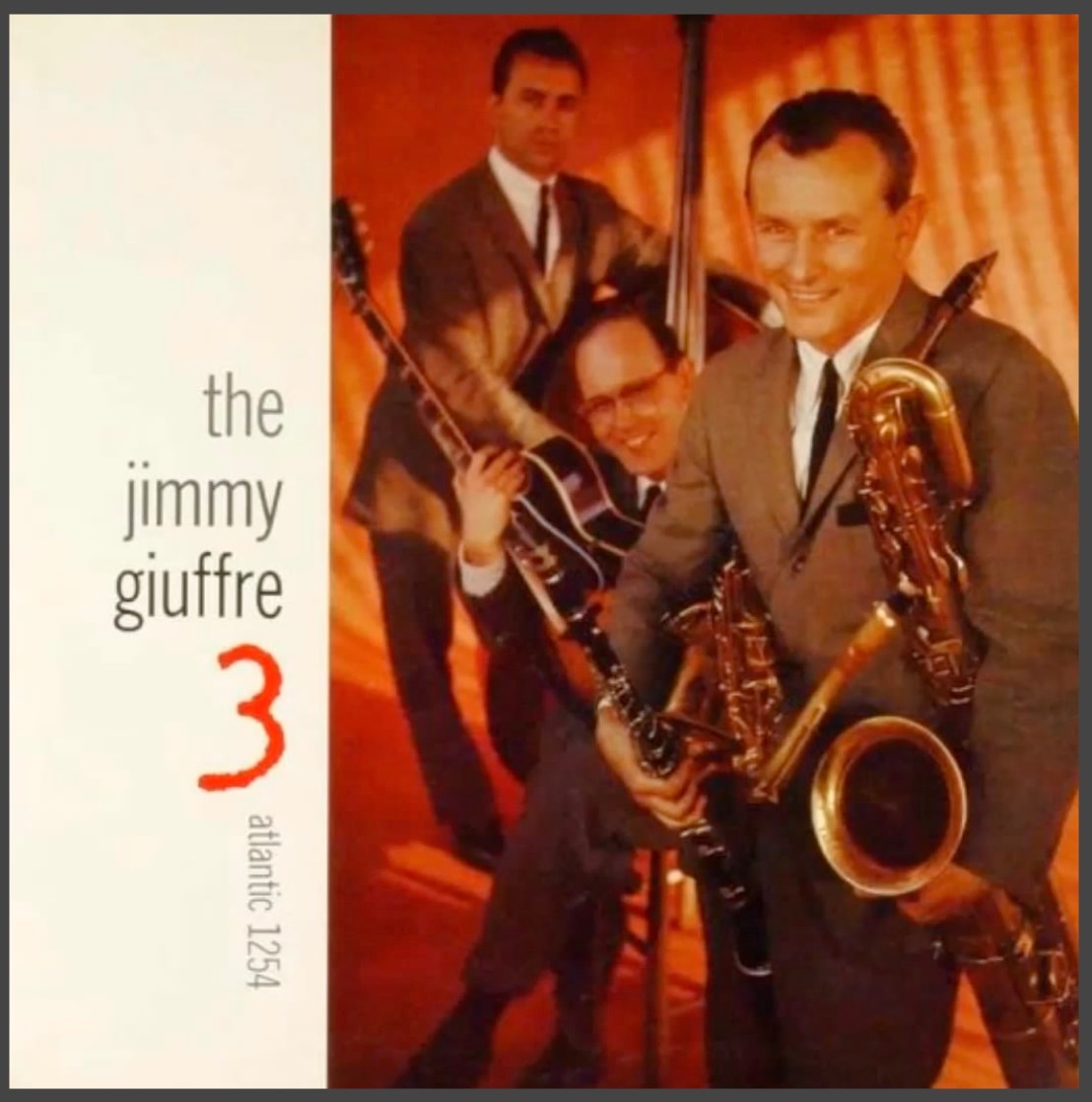
Jimmy Giuffre 3 (1957) - Jimmy Giuffre 3

image source: Wikipedia

The Jimmy Giuffre 3 was recorded and released in 1957 on Atlantic Records. The trio featured Jimmy Giuffre on clarinet and tenor saxophone, Jim Hall on guitar, and Ralph Peña on bass. The group was notable for its unique instrumentation, omitting piano and drums.

The album blends elements of cool jazz, folk melodies, and counterpoint. Giuffre’s compositions are melodic and spacious, and the trio’s dynamic is built on interaction and non-drumset rhythmic drive. The absence of drums allowed for more flexible phrasing and a chamber-like atmosphere.

This album is essential to cool jazz because it exemplifies the genre’s shift toward intimacy, structural clarity, and sonic restraint. The Jimmy Giuffre 3 helped redefine the possibilities of small-group jazz by focusing on quiet textures, linear improvisation, and democratic ensemble interaction.

Check out Jimmy Giuffre 3:

14. Art Pepper Meets the Rhythm Section (1957) – Art Pepper
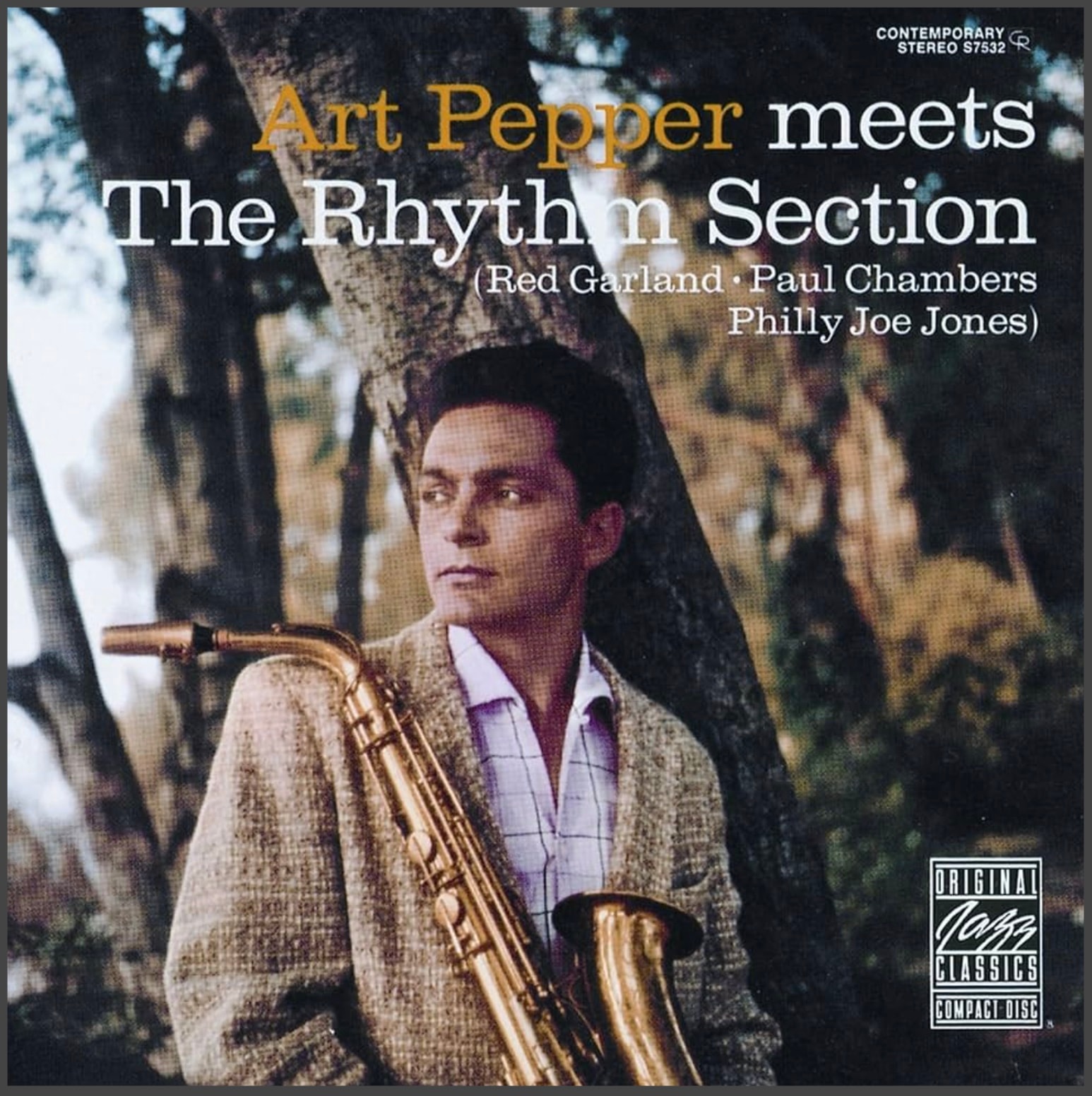
Art Pepper Meets the Rhythm Section (1957) - Art Pepper

image source: Wikipedia

Recorded in a single session on January 19, 1957, and released on Contemporary Records, Art Pepper Meets the Rhythm Section pairs alto saxophonist Art Pepper with Miles Davis’s legendary rhythm section: Red Garland (piano), Paul Chambers (bass), and Philly Joe Jones (drums).

Although Pepper was a key figure in West Coast jazz, this album departs from the laid-back, heavily arranged sound often associated with that scene. Instead, it blends the clarity and lyricism of cool jazz with the intensity and spontaneity of hard bop.

This album is essential to cool jazz for its balance of precision and energy. It demonstrates how a cool-toned player like Pepper could thrive in an East Coast rhythm section setting without abandoning his stylistic identity.

The record remains one of the high points of West Coast jazz and a standout example of cool jazz in a straight-ahead context. Check it out!

15. Subconscious-Lee (1955) – Lee Konitz & Lennie Tristano
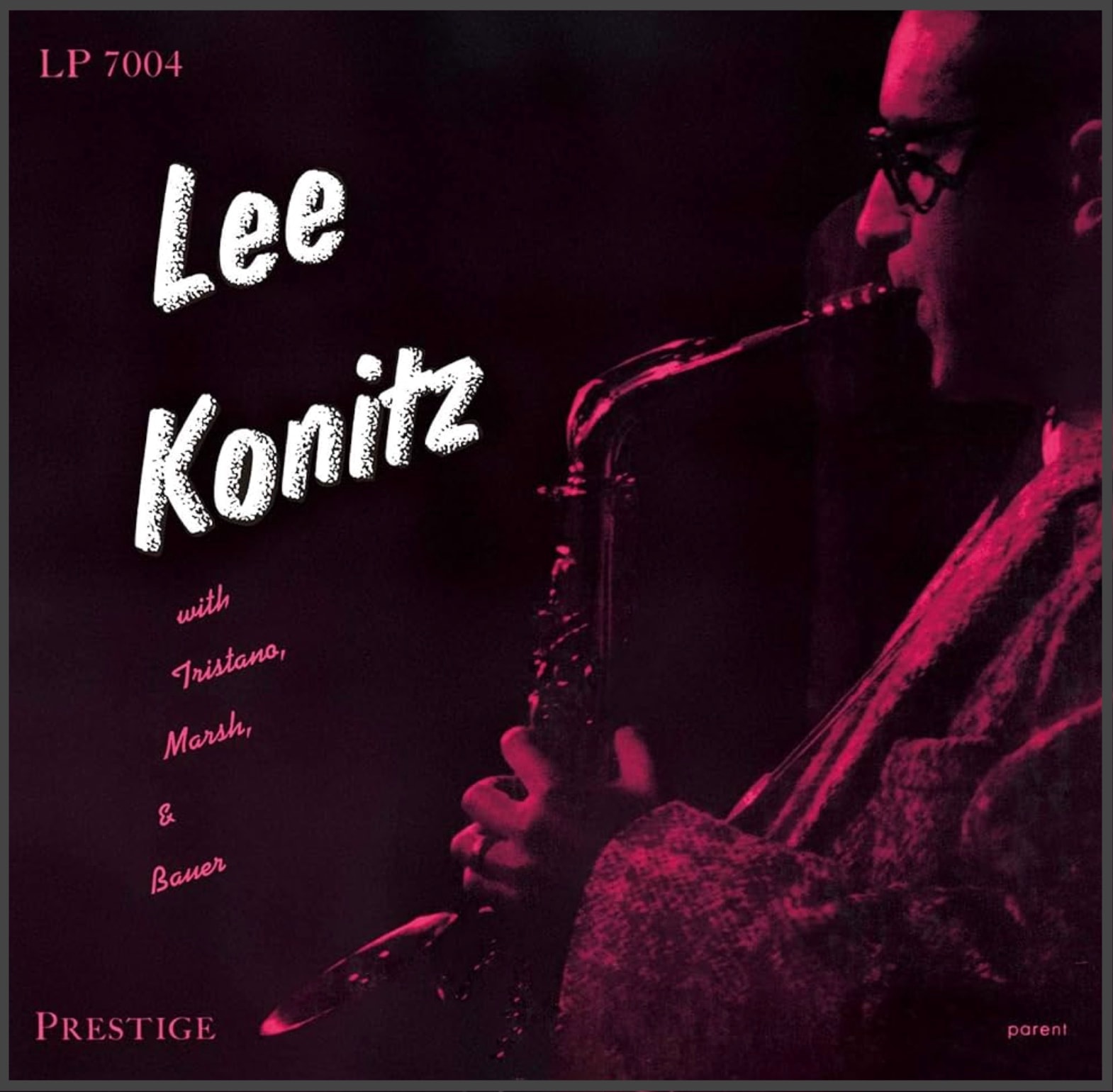
Subconscious-Lee

image source: Wikipedia Commons

Subconscious-Lee is a compilation of recordings made between 1949 and 1950, released as a full album in 1955 on Prestige Records. It features alto saxophonist Lee Konitz and pianist Lennie Tristano—two key architects of the cool jazz movement—along with Warne Marsh (tenor sax) and Billy Bauer (guitar).

The music is marked by linear improvisation, contrapuntal textures, and a distinctly dry, unembellished tone. Konitz and Marsh avoid blues inflection and vibrato, instead focusing on clarity, logic, and smooth phrasing.

Tristano’s compositions and reharmonizations—like “Subconscious-Lee” (a contrafact of “What Is This Thing Called Love”)—exemplify an intellectual approach to jazz that still swings.

This album is essential to cool jazz because it captures the early East Coast conception of the style: cool in tone, restrained in affect, and rigorous in structure. It stands as one of the purest expressions of cool jazz ideals before the West Coast sound fully took shape. Take a listen!

Cool Jazz’s Lasting Impact

Cool jazz led directly into modal jazz, third stream, and even aspects of free jazz. It laid the groundwork for jazz as concert music—something to sit and listen to deeply, not just dance to.

Its emphasis on texture, space, and mood influenced later developments in ECM jazz, Nordic jazz, and crossover styles that blend folk, ambient, and minimalism. For many musicians and listeners, cool jazz expanded what jazz could sound like—and what it could mean.

Take Your Jazz Playing To The Next Level—Join the Learn Jazz Standards Inner Circle

And if you want to go deeper with your own jazz playing, check out the Learn Jazz Standards Inner Circle. The Inner Circle has everything you need to seriously supercharge your jazz improvisation and musicianship skills.

Improve in 30 days or less. Join the Inner Circle.
TAKE YOUR JAZZ PLAYING TO THE NEXT LEVEL.

We help musicians of all instruments start improvising confidently over jazz standards in just 30 days without mind-numbing hours of practice or the overwhelm.

TAKE YOUR JAZZ PLAYING TO THE NEXT LEVEL.

We help musicians of all instruments start improvising confidently over jazz standards in as little as 30 days without mind-numbing hours of practice or the overwhelm.

“Jazz music is the power of now. There is no script. It’s conversation. The emotion is given to you by musicians as they make split-second decisions to fulfill what they feel the moment requires.”
WYNTON MARSALIS

YOU MAY ALSO BE INTERESTED IN

Learn Jazz Standards The Smart Way Ebook Cover

OUR PROVEN PROCESS FOR LEARNING JAZZ STANDARDS LIKE A PRO

A step-by-step guide for how to effectively learn jazz standards so you’ll feel confident playing them, and won’t forget them.

TERMS AND CONDITIONS

Welcome to LearnJazzStandards.com! We’ve created this page so that you (and any visitor to LearnJazzStandards.com) will understand the terms and conditions that govern your use of this website. If you continue to browse and use this website you are agreeing to comply with and be bound by the following terms and conditions, which together with our privacy policy comprise our (LearnJazzStandards.com’s) entire relationship with you.

Exclusion of Liability

The content found on any page of this website is for your general information and use only, and it is subject to change without notice. Neither we nor any third parties provide any warranty or guarantee as to the accuracy, timeliness, performance, completeness or suitability of the information and materials found or offered on this website for any particular purpose. You acknowledge that such information and materials may contain inaccuracies or errors and we expressly exclude liability for any such inaccuracies or errors to the fullest extent permitted by law. Your use of any information or materials on this website is entirely at your own risk, for which we shall not be liable. It shall be your own responsibility to ensure that any products, services or information available through this website meet your specific requirements.

Indemnity

By accessing our website, you agree to indemnify and hold us harmless from all claims, actions, damages, costs and expenses including legal fees arising from or in connection with your use of our website.

Copyright Laws & Intellectual Property

This website contains some material which is owned by or licensed to us. This material includes, but is not limited to, the design, layout, look, appearance and graphics. Reproduction is prohibited other than in accordance with the copyright notice, which forms part of these terms and conditions. All logos, trademarks, and other intellectual property found on LearnJazzStandards.com are the property of their respective owners. They do not indicate ownership, affiliation, sponsorship, or any other relationship with LearnJazzStandards.com. In addition, this website may also include links to other websites. These links are provided for your convenience to provide further information. They do not signify that we endorse those websites, and we have no responsibility for the content of those linked websites.

Unauthorized Use

Your use of this website and any dispute arising out of such use of the website is subject to the laws of the United States of America. Any unauthorized use of this website may give rise to a claim for damages and/or be a criminal offense. Thanks, and enjoy LearnJazzStandards.com!

Return Policy for Products

Refund Policy

For play-alongs and eBooks:

Because these are digital downloads, and not returnable, we have a strict no refund policy. All purchases are final and cannot be reversed. Please be sure that you fully understand the product you are purchasing and what is and what is not included. Of course, if you ever have any questions about a product feel free to contact us or visit our FAQ page.

For 30 Days to Better Jazz Playing eCourse

Please make sure you completely understand the product you are buying before purchasing. 14 Day 100% Money Back Guarantee
  • This guarantee lasts 14 days, which completely covers almost half of the course, enough for you to observe its’ effectiveness.
  • We can’t guarantee you will be Miles Davis, Charlie Parker, or John Coltrane in 2 weeks. We’d be suspicious of anyone who could promise that. Becoming a better jazz musician is a process and it requires work.
  • If you’re not happy with the quality of this program…send us an email and showing you did the work. We’ll refund 100% of your money (We’ll even eat the credit-card processing fees) and we’ll part as friends. We believe in the power of this course and so we’ll take responsibility for it.

For Inner Circle Membership

Please make sure you completely understand the product you are buying before purchasing. 30 Day 100% Money Back Guarantee
  • This guarantee lasts 30 days, which is enough for you to observe the membership’s effectiveness.
  • We can’t guarantee you will be Miles Davis, Charlie Parker, or John Coltrane in 30 days. We’d be suspicious of anyone who could promise that. Becoming a better jazz musician is a process and it requires work.
  • If you’re not happy with the quality of this program…send us an email and showing you did the work. We’ll refund 100% of your money (We’ll even eat the credit-card processing fees) and we’ll part as friends. We believe in the power of this course and so we’ll take responsibility for it.

Rights of use

All digital products are for the use of the individual customer only. Redistribution or reselling of our digital products is strictly prohibited and a violation of United States and New York State law.

PRIVACY POLICY

At Learn Jazz Standards LLC, we recognize that privacy of your personal information is important.

Here are the types of personal information we may collect when you use and visit LearnJazzStandards.com, and how we safeguard your information. We never sell your personal information to third parties.

Log Files

As with most other websites, we collect and use the data contained in log files. The information in the log files include your IP (internet protocol) address, your ISP (internet service provider, such as AOL or Shaw Cable), the browser you used to visit our site (such as Internet Explorer or Firefox), the time you visited our site and which pages you visited throughout our site.

Cookies and Web Beacons

We may use cookies to store information, such as your personal preferences when you visit our site. This could include only showing you a popup once in your visit, or the ability to log in to some of our features, such as forums. We collect this information to help send you only pertinent content that we believe you are interested in and will benefit from.

We also use third party advertisements on LearnJazzStandards.com to support our site. Some of these advertisers may use technology such as cookies and web beacons when they advertise on our site, which will also send these advertisers (such as Google through the Google AdSense program) information including your IP address, your ISP, the browser you used to visit our site, and in some cases, whether you have Flash installed.

This is generally used for geotargeting purposes (showing New York real estate ads to someone in New York, for example) or showing certain ads based on specific sites visited (such as showing cooking ads to someone who frequents cooking sites).

DoubleClick DART cookies

We also may use DART cookies for ad serving through Google’s DoubleClick service, which places a cookie on your computer when you are browsing the web and visit a site using DoubleClick advertising (including some Google AdSense advertisements).

This cookie is used to serve ads specific to you and your interests (“interest based targeting”). The ads served will be targeted based on your previous browsing history (For example, if you have been viewing sites about visiting Las Vegas, you may see Las Vegas hotel advertisements when viewing a non-related site, such as on a site about hockey).

DART uses “non personally identifiable information.” It does NOT track personal information about you, such as your name, email address, physical address, telephone number, social security numbers, bank account numbers or credit card numbers. You can opt-out of this ad serving on all sites using this advertising by visiting http://www.doubleclick.com/privacy/dart_adserving.aspx

You can chose to disable or selectively turn off our cookies or third-party cookies in your browser settings, or by managing preferences in programs such as Norton Internet Security. However, this can affect how you are able to interact with our site as well as other websites. This could include the inability to login to services or programs, such as logging into forums or accounts.

Deleting cookies does not mean you are permanently opted out of any advertising program. Unless you have settings that disallow cookies, the next time you visit a site running the advertisements, a new cookie will be added.

Email Addresses

If you share your email address with LearnJazzStandards.com via the contact page, we will only use it to contact you, and will NOT add you to any lists or newsletters without your consent.

In addition, if you sign up for the free newsletter, your email address will only be used to send special offers and updates from LearnJazzStandards.com. Addresses are recorded and kept secure through MailChimp, which we use to distribute information to our subscribers. Neither MailChimp nor LearnJazzStandards.com will give or sell your address to any third party, nor will you be added to any additional lists.

Right to Be Forgotten

If at any point you wish to be completely deleted from our databases, whether it be as a newsletter subscriber or an account holder on learnjazzstandards.com, you have the complete right to do so.

Contact us, and we will ensure your data is cleared from our system.

Data Control Contact

If you ever wish to reach out to us regarding the use of your data, we are reachable at [email protected]. Additionally, you can use our contact page, to reach out any time.

In short, your information is safe with us, and we greatly value your trust.

Thanks for using Learn Jazz Standards!

Terms of Use

Welcome to LearnJazzStandards.com!

We’ve created this page so that you (and any visitor to LearnJazzStandards.com) will understand the terms and conditions that govern your use of this website.

If you continue to browse and use this website you are agreeing to comply with and be bound by the following terms and conditions, which together with our privacy policy comprise our (LearnJazzStandards.com’s) entire relationship with you.

Exclusion of Liability

The content found on any page of this website is for your general information and use only, and it is subject to change without notice.

Neither we nor any third parties provide any warranty or guarantee as to the accuracy, timeliness, performance, completeness or suitability of the information and materials found or offered on this website for any particular purpose.

You acknowledge that such information and materials may contain inaccuracies or errors and we expressly exclude liability for any such inaccuracies or errors to the fullest extent permitted by law.

Your use of any information or materials on this website is entirely at your own risk, for which we shall not be liable. It shall be your own responsibility to ensure that any products, services or information available through this website meet your specific requirements.

Indemnity

By accessing our website, you agree to indemnify and hold us harmless from all claims, actions, damages, costs and expenses including legal fees arising from or in connection with your use of our website.

Copyright Laws & Intellectual Property

This website contains some material which is owned by or licensed to us. This material includes, but is not limited to, the design, layout, look, appearance and graphics. Reproduction is prohibited other than in accordance with the copyright notice, which forms part of these terms and conditions.

All logos, trademarks, and other intellectual property found on LearnJazzStandards.com are the property of their respective owners. They do not indicate ownership, affiliation, sponsorship, or any other relationship with LearnJazzStandards.com.

In addition, this website may also include links to other websites. These links are provided for your convenience to provide further information. They do not signify that we endorse those websites, and we have no responsibility for the content of those linked websites.

Unauthorized Use

Your use of this website and any dispute arising out of such use of the website is subject to the laws of the United States of America. Any unauthorized use of this website may give rise to a claim for damages and/or be a criminal offense.

Thanks, and enjoy LearnJazzStandards.com!

Return Policy for Products

Refund Policy

For play-alongs and eBooks:

Because these are digital downloads, and not returnable, we have a strict no refund policy. All purchases are final and cannot be reversed. Please be sure that you fully understand the product you are purchasing and what is and what is not included. Of course, if you ever have any questions about a product feel free to contact usor visit our FAQ page.

For 30 Days to Better Jazz Playing eCourse

Please make sure you completely understand the product you are buying before purchasing.

14 Day 100% Money Back Guarantee

  • This guarantee lasts 14 days, which completely covers almost half of the course, enough for you to observe its’ effectiveness.
  • We can’t guarantee you will be Miles Davis, Charlie Parker, or John Coltrane in 2 weeks. We’d be suspicious of anyone who could promise that. Becoming a better jazz musician is a process and it requires work.
  • If you’re not happy with the quality of this program…send us an email and showing you did the work. We’ll refund 100% of your money (We’ll even eat the credit-card processing fees) and we’ll part as friends. We believe in the power of this course and so we’ll take responsibility for it.

Rights of use

All digital products are for the use of the individual customer only. Redistribution or reselling of our digital products is strictly prohibited and a violation of United States and New York State law.

Learn Jazz Standards Messaging Terms & Conditions

Effective Date:

This SMS message program is a service of Learn Jazz Standards. By providing your cell phone number, you agree to receive recurring automated promotional and personalized marketing text messages (e.g., SMS/MMS cart reminders, sale notices, etc) from Learn Jazz Standards. These messages include text messages that may be sent using an automatic telephone dialing system, to the mobile telephone number you provided when signing up or any other number that you designate. You give Learn Jazz Standards permission to send text messages to the enrolled cell phone number through your wireless phone carrier, unless and until you end permission per these Terms & Conditions. Consent to receive automated marketing text messages is not a condition of any purchase. Message & data rates may apply.

Message frequency may vary. Learn Jazz Standards reserves the right to alter the frequency of messages sent at any time, so as to increase or decrease the total number of sent messages. Learn Jazz Standards also reserves the right to change the short code or phone number from which messages are sent and we will notify you if we do so.

Not all mobile devices or handsets may be supported and our messages may not be deliverable in all areas. Learn Jazz Standards, its service providers and the mobile carriers supported by the program are not liable for delayed or undelivered messages.

By enrolling in the Learn Jazz Standards messaging program, you also agree to these messaging terms & conditions (“Messaging Terms”), our Learn Jazz Standards Terms of Use and Learn Jazz Standards Privacy Policy.

Cancellation

Text the keyword STOP, STOPALL, END, CANCEL, UNSUBSCRIBE or QUIT to the telephone number, long code, or short code that sends you our initial confirmation message to cancel. After texting STOP, STOPALL, END, CANCEL, UNSUBSCRIBE or QUIT to the telephone number, long code, or short code that sends you our initial confirmation message you will receive one additional message confirming that your request has been processed. If you change your preferences, it may take up to 48 hours for it to take effect. You acknowledge that our text message platform may not recognize and respond to unsubscribe requests that do not include the STOP, STOPALL, END, CANCEL, UNSUBSCRIBE or QUIT keyword commands and agree that Learn Jazz Standards and its service providers will have no liability for failing to honor such requests. If you unsubscribe from one of our text message programs, you may continue to receive text messages from Learn Jazz Standards through any other programs you have joined until you separately unsubscribe from those programs.

Help or Support

Text the keyword HELP to the telephone number, long code, or short code that sends you our initial confirmation message to receive a text with information on how to unsubscribe.

No Warranty

TO THE MAXIMUM EXTENT ALLOWED BY APPLICABLE LAW, YOU ACKNOWLEDGE AND AGREE THAT THE MESSAGING PROGRAM IS PROVIDED ON AN “AS IS” AND “AS AVAILABLE” BASIS WITHOUT WARRANTIES OF ANY KIND, WHETHER EXPRESS OR IMPLIED.

Limitation of Liability

TO THE MAXIMUM EXTENT ALLOWED BY APPLICABLE LAW, YOU AGREE THAT IN NO EVENT SHALL EITHER OF Learn Jazz Standards OR ANY PARTY ACTING ON BEHALF OF Learn Jazz Standards BE LIABLE FOR: (A) ANY CLAIMS, PROCEEDINGS, LIABILITIES, OBLIGATIONS, DAMAGES, LOSSES OR COSTS IN AN AGGREGATE AMOUNT EXCEEDING THE GREATER OF THE AMOUNT YOU PAID TO Learn Jazz Standards HEREUNDER OR $100.00; OR (B) ANY DIRECT, INDIRECT, CONSEQUENTIAL, SPECIAL, INCIDENTAL, PUNITIVE OR ANY OTHER DAMAGES. YOU AGREE EVEN IF Learn Jazz Standards HAS BEEN TOLD OF POSSIBLE DAMAGE OR LOSS ARISING OR RESULTING FROM OR IN ANY WAY RELATING TO YOUR USE OF THE Learn Jazz Standards MESSAGING PROGRAM. Learn Jazz Standards AND ITS REPRESENTATIVES ARE NOT LIABLE FOR THE ACTS OR OMISSIONS OF THIRD PARTIES, INCLUDING BUT NOT LIMITED TO DELAYS OR NON-DELIVERY IN THE TRANSMISSION OF MESSAGES.

Indemnity

To the maximum extent allowed by applicable law, you agree to indemnify, defend and hold harmless Learn Jazz Standards, its directors, officers, employees, servants, agents, representatives, independent contractors and affiliates from and against any and all claims, damages, liabilities, actions, causes of action, costs, expenses, including reasonable attorneys’ fees, judgments or penalties of any kind or nature arising from or in relation to the these Messaging Terms or your receipt of text messages from Learn Jazz Standards or its service providers.

Dispute Resolution

  1. General. Any dispute or claim arising out of or in any way related to these Messaging Terms or your receipt of text messages from Learn Jazz Standards or its service providers whether based in contract, tort, statute, fraud, misrepresentation, or any other legal theory, and regardless of when a dispute or claim arises will be resolved by binding arbitration. YOU UNDERSTAND AND AGREE THAT, BY AGREEING TO THESE MESSAGING TERMS, YOU AND Learn Jazz Standards ARE EACH WAIVING THE RIGHT TO A TRIAL BY JURY OR TO PARTICIPATE IN A CLASS ACTION AND THAT THESE MESSAGING TERMS SHALL BE SUBJECT TO AND GOVERNED BY ARBITRATION.
  2. Exceptions. Notwithstanding subsection (a) above, nothing in these Messaging Terms will be deemed to waive, preclude, or otherwise limit the right of you or Learn Jazz Standards to: (i) bring an individual action in small claims court; (ii) pursue an enforcement action through the applicable federal, state, or local agency if that action is available; (iii) seek injunctive relief in aid of arbitration from a court of competent jurisdiction; or (iv) file suit in a court of law to address an intellectual property infringement claim.
  3. Arbitrator. Any arbitration between you and Learn Jazz Standards will be governed by the JAMS, under the Optional Expedited Arbitration Procedures then in effect for JAMS, except as provided herein. JAMS may be contacted at www.jamsadr.com. The arbitrator has exclusive authority to resolve any dispute relating to the interpretation, applicability, or enforceability of this binding arbitration agreement.
  4. No Class Actions. YOU AND Learn Jazz Standards AGREE THAT EACH MAY BRING CLAIMS AGAINST THE OTHER ONLY IN AN INDIVIDUAL CAPACITY AND NOT AS A PLAINTIFF OR CLASS MEMBER IN ANY PURPORTED CLASS OR REPRESENTATIVE PROCEEDING. Further, unless both you and Learn Jazz Standards agree otherwise in a signed writing, the arbitrator may not consolidate more than one person’s claims, and may not otherwise preside over any form of a representative or class proceeding. You agree that, by agreeing to these Messaging Terms, you and Learn Jazz Standards are each waiving the right to a trial by jury or to participate in a class action, collective action, private attorney general action, or other representative proceeding of any kind.
  5. No Class Actions. YOU AND Learn Jazz Standards AGREE THAT EACH MAY BRING CLAIMS AGAINST THE OTHER ONLY IN AN INDIVIDUAL CAPACITY AND NOT AS A PLAINTIFF OR CLASS MEMBER IN ANY PURPORTED CLASS OR REPRESENTATIVE PROCEEDING. Further, unless both you and Learn Jazz Standards agree otherwise in a signed writing, the arbitrator may not consolidate more than one person’s claims, and may not otherwise preside over any form of a representative or class proceeding.
  6. Modifications to this Arbitration Provision. Notwithstanding anything to the contrary in these Messaging Terms, if Learn Jazz Standards makes any future change to this arbitration provision, you may reject the change by sending us written notice within 30 days of the change to Learn Jazz Standards’s contact information provided in the “Contact Us” section below, in which case this arbitration provision, as in effect immediately prior to the changes you rejected, will continue to govern any disputes between you and Learn Jazz Standards.
  7. Enforceability. If any provision of these Messaging Terms is found to be unenforceable, the applicable provision shall be deemed stricken and the remainder of these Messaging Terms shall remain in full force and effect.

Changes to the Messaging Terms

We reserve the right to change these Messaging Terms or cancel the messaging program at any time. By using and accepting messages from Learn Jazz Standards after we make changes to the Messaging Terms, you are accepting the Messaging Terms with those changes. Please check these Messaging Terms regularly.

Entire Agreement/Severability

These Messaging Terms, together with any amendments and any additional agreements you may enter into with us in connection herewith, will constitute the entire agreement between you and Learn Jazz Standards concerning the Messaging Program.

Contact

Please contact us with any inquiries or concerns at [email protected]

OUR PROVEN PROCESS FOR LEARNING JAZZ STANDARDS LIKE A PRO

Get our FREE eGuide “Learn Jazz Standards the Smart Way” and follow the 5 simple steps for crushing it with jazz standards.

Learn Jazz Standards The Smart Way Cover

OUR PROVEN PROCESS FOR LEARNING JAZZ THEORY LIKE A PRO

Get our FREE “Jazz Theory Made Easy Fast Track Guide” and follow the 4 simple steps that make learning jazz theory easy.

Jazz Theory Made Easy Fast Track Guide Ebook Cover

OUR PROVEN PROCESS FOR IMPROVISING JAZZ SOLOS LIKE A PRO

Get our FREE “Jazz Improv Made Easy Fast Track Guide” and follow the 3 simple steps for improvising amazing jazz solos.

Jazz Improv Made Easy Fast Track Guide Ebook Cover

DOWNLOAD THIS CHORD CHART

Get our FREE "What Is Cool Jazz? (15 Iconic, Must-Hear Cool Jazz Albums)" chord chart and our entire library of 200+ jazz standards!

Chord Chart

DOWNLOAD THIS CHORD CHART

Get our FREE "What Is Cool Jazz? (15 Iconic, Must-Hear Cool Jazz Albums)" chord chart and our entire library of 200+ jazz standards!

Chord Chart

DOWNLOAD THIS CHORD CHART

Get our FREE "What Is Cool Jazz? (15 Iconic, Must-Hear Cool Jazz Albums)" chord chart and our entire library of 200+ jazz standards!

Chord Chart