Many jazz musicians don’t think about sight reading when considering strategies for becoming better improvisers and musicians. However, if you want to become a fluent, versatile musician who can read, hear, and play with equal confidence, learning to sight read music is essential.
In this article, we’ll explore why sight reading jazz solos and other selections of music might just be the secret sauce that helps you take your playing to the next level. First, we’ll go over the basics, and then we’ll dig into how sight reading can help you improve your jazz skills!
If you are looking for a tried and true path toward jazz mastery, check out the Learn Jazz Standards Inner Circle. The Inner Circle has everything you need to take your jazz skills to the next level.
Improve in 30 Days or Less. Join the Inner Circle.
What Is Sight Reading in Music?
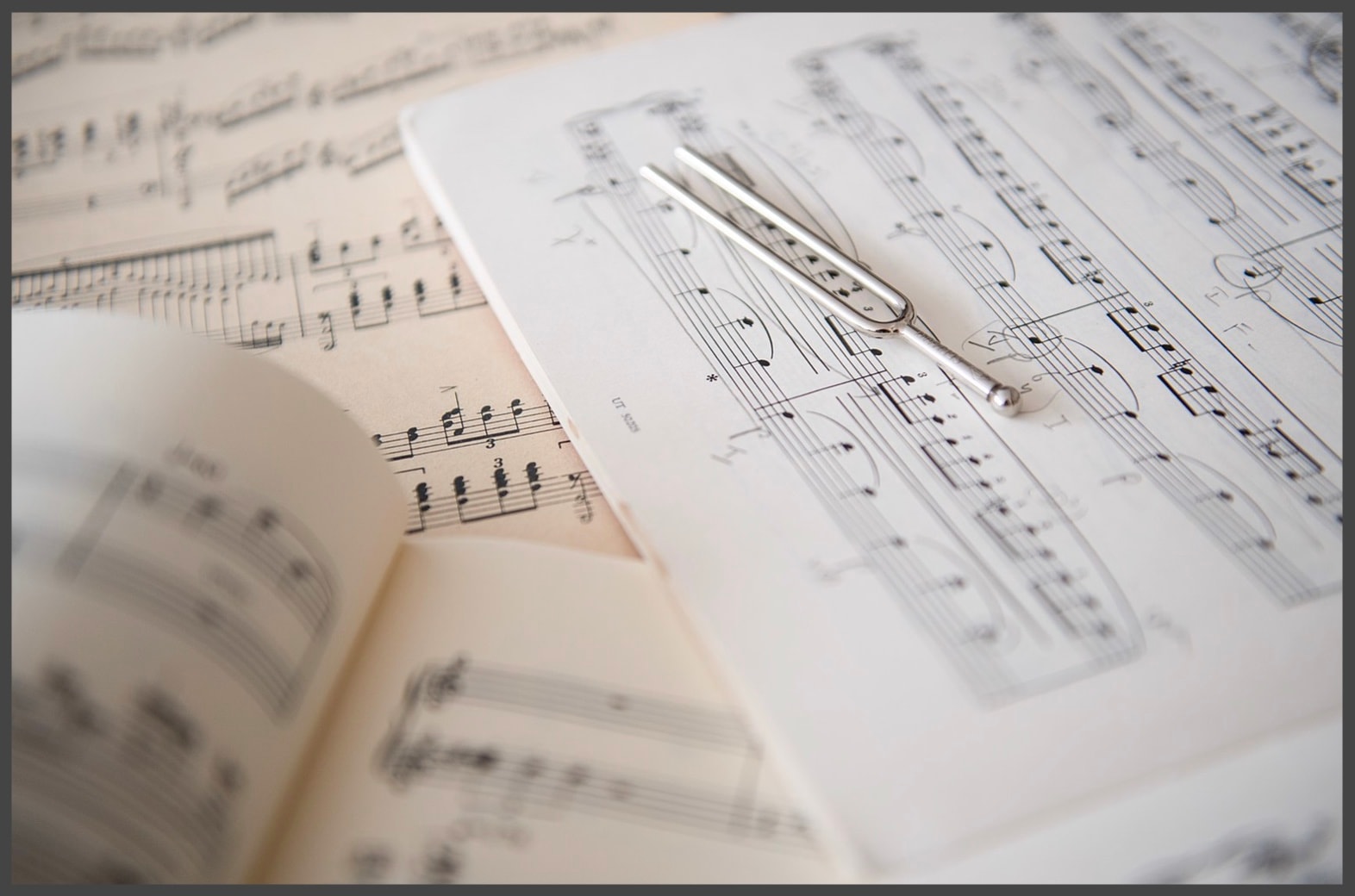
image source: Wikimedia Commons
At its core, sight reading means performing a piece of music at first sight—playing or singing it accurately without having practiced it before. In simple terms, it’s the ability to look at a page of notes and immediately turn them into sound.
Though music teachers emphasize the importance of sight reading at a young age through music lessons, being able to read music isn’t necessary to be a great musician. Though it certainly helps, and we’ll get into why!
To briefly break it down, being musically literate helps you quickly and easily express, transmit, and understand musical ideas. And sight reading music is among the best activities you can do to become musically literate.
But there are other benefits to sight reading, too. Sight reading comes in handy when you have to read a new lead sheet on a gig, need to chart out a tune quickly, or want to transcribe a solo onto sheet music.
In essence, sight reading is one of the most critical skills a well-rounded musician can develop!
5 Benefits of Sight Reading for Jazz Musicians
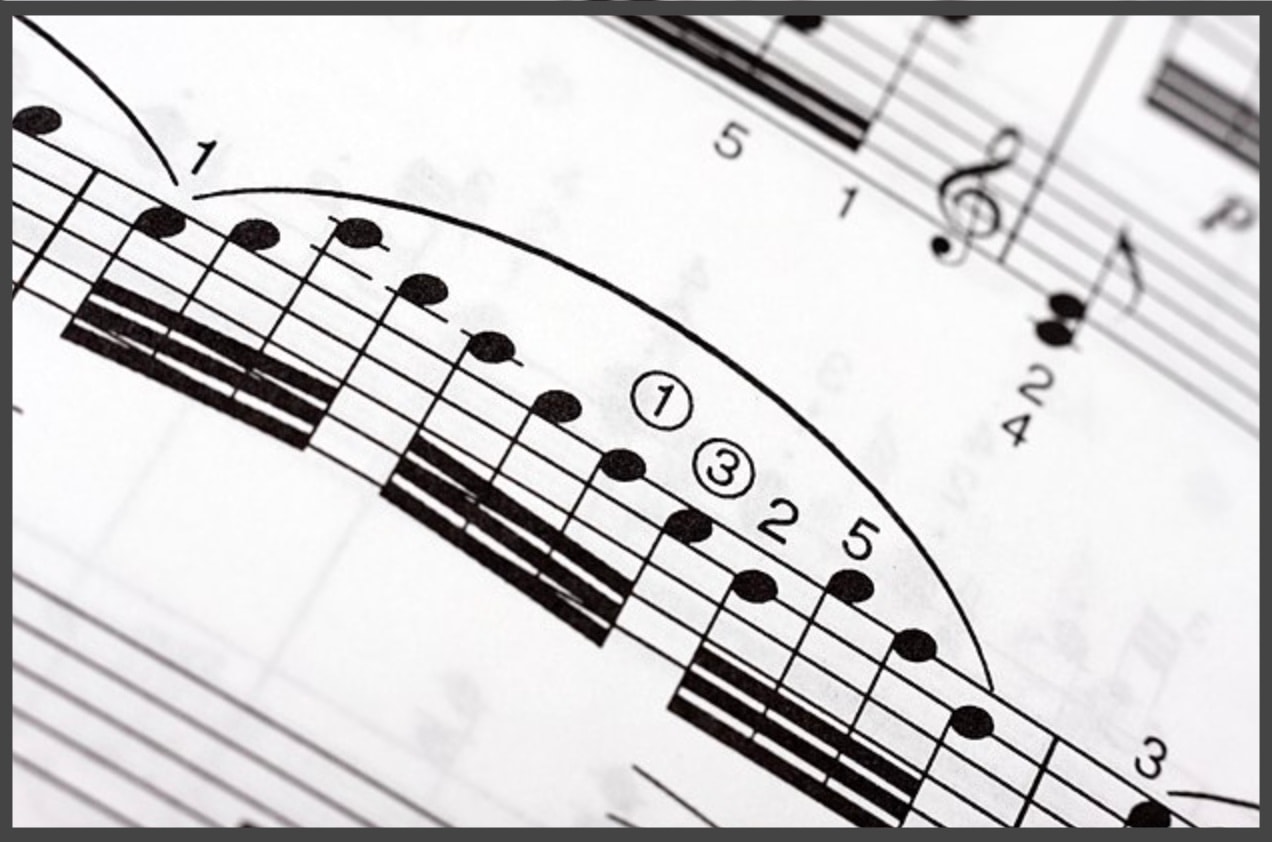
image source: Wikimedia Commons
Good sight readers have a significant advantage on stage and in the practice room. Here’s why you should sight read every day:
1. You Learn New Material Faster
Are you familiar with the snowball effect? The more you do something, the easier it becomes and the faster you can do it. This principle applies to sight reading, too. The more time you spend sight reading, the quicker you’ll be able to learn new music from the page.
And, when you can read notes at sight, you don’t have to spend time learning parts by ear or by watching videos. You can start learning a new tune or solo in real time!
That’s not to say learning by ear isn’t important because it definitely is! Check out this article on how to learn a jazz solo by ear.
2. You Internalize A Variety of Rhythms and Melodic Concepts
Your output is only as good as your input, and one way to curate and expand your input is to sight read music that comes from the styles or genres (or players) you want to incorporate into your own sound.
Sight reading a variety of rhythms and melodies strengthens your rhythmic and melodic command and exposes your musical mind to all different types of music scenarios. You also learn to recognize rhythmic and melodic patterns that improve your breadth of skills and expand your musical vocabulary.
3. You Improve Your Improvisation Chops and Build Jazz Language
By reading music that includes authentic jazz phrasing and articulations, you internalize the language of jazz—melodic shapes, accents, and rhythmic ideas that later show up in your own solos.
Think about it! When you sight read transcribed solos from the jazz greats, you’re not just reading notes—you’re reading the musical thoughts and ideas of jazz masters. By reading through a Miles Davis solo, you are moving through his musical thought process.
You’re training your eyes, hands, and ears to connect written symbols with the features that make jazz unique. The rhythmic figures and musical phrases you read become absorbed and codified in your own personal jazz vocabulary.
Over time, this process develops your musical ability to recognize rhythmic cells, harmonic movement, and phrasing patterns. You’re literally teaching your brain to “speak” jazz through reading music.
Check out this article for more on jazz language.
4. You Gain Confidence In Any Musical Situation
Whether it’s a choir, big band, or a hang with friends playing original music, strong sight reading skills mean you can pick up almost anything from the page and make it groove. Feeling confident on the gig or in the audition makes all the difference.
If you sight read for long enough, you’ll encounter many of the common patterns and phrases found across all kinds of music. There won’t be anything you can’t read!
5. You Become More Musically Literate (And A First-Call Musician)
Like I mentioned above, you don’t need to know how to read music to be a great musician. However, being musically literate makes it much easier to be a great musician. Being able to quickly express your own musical ideas or comprehend the musical ideas of others makes you a more in-demand player.
If you are a good reader, you’ll get more gigs. If you get more gigs, you’ll be exposed to more and more great players. Your greatness will improve through the network effect, and before long, you’ll be a first-call musician!
The Core Skills Every Jazz Sight Reader Needs
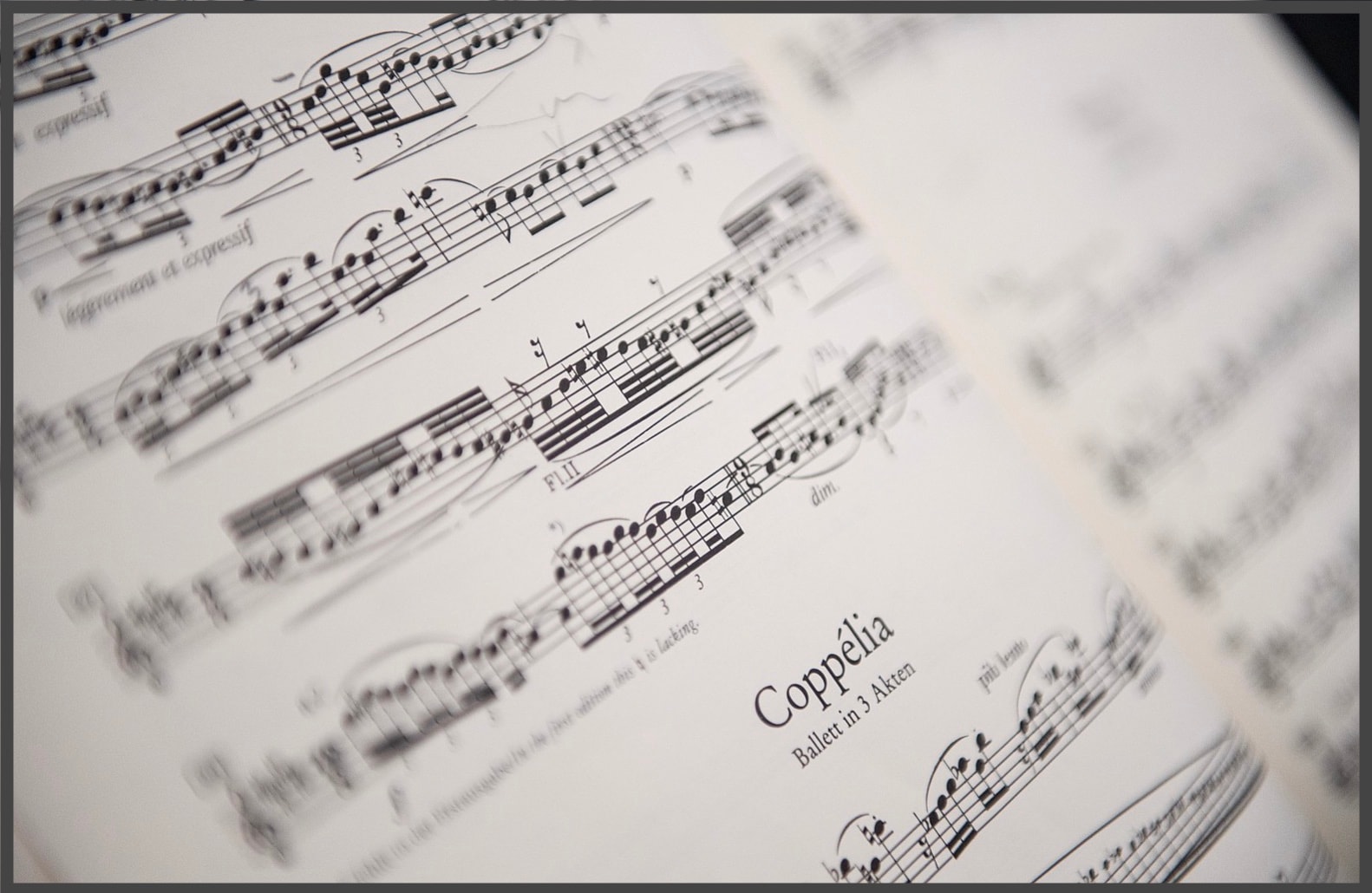
image source: Wikimedia Commons
To practice sight reading effectively, focus on these fundamental skills:
1. Rhythmic Comprehension
Strong jazz sight readers can instantly recognize rhythmic patterns in time signatures such as 4/4, 3/4, and even 5/4. They can subdivide the beat, maintain a steady beat, and anticipate syncopations. Spend time reading short rhythmic exercises—clap, tap, or play them on your instrument.
2. Pattern Recognition
In jazz, harmonic motion often follows predictable patterns (II–V–I, blues progressions, etc.). Great readers recognize these at sight, just like they would see familiar words in a sentence.
3. Eye-Ahead Awareness
As you read, train your eyes to stay a beat or two ahead of what you’re playing. This “look-ahead” ability separates fluent readers from beginners—it’s like thinking in complete musical phrases rather than individual notes.
4. Feel and Inner-Clock Awareness
Reading music is even more powerful when you do it in time. You should also consider reading jazz solos with the feel of their original recording. If it swings, then make it swing. Tap your foot, sing the rhythm, or practice with a metronome on 2 and 4 to keep the swing feel clear.
5. Audiation and Inner Hearing
Before you even play, imagine how the music should sound. This internal “hearing before playing” skill is called audiation—and it’s an invaluable tool for understanding phrasing and patterns in pieces you haven’t read yet.
Want to develop your ear? Check out our ear-training course.
How to Structure a Sight Reading Practice Routine
Like any aspect of music, sight reading takes time, patience, and smart repetition. Here’s how to practice sight reading effectively:
- Warm up with rhythm! Start with short rhythmic exercises to get your musical mind working—clap, count, or tap rhythmic phrases while playing with a metronome.
- Read something new every day. Choose unfamiliar sheet music or material—even classical piano lines, vocal music, or violin etudes. The goal is variety.
- Read transcribed jazz solos. This is where your jazz development accelerates. Try sight reading transcriptions of Miles Davis or Sonny Rollins, focusing on maintaining the best feel. Speed isn’t critical here. Focus on connecting what’s on the page to the best sound you can produce.
- Sight sing melodies. If you play an instrument, challenge yourself to sing what you see. This bridges sight-singing and reading music, sharpening your ear and your voice connection.
- Integrate with improvisation. Find a rhythm-only workbook that contains rhythms but no pitch information. Using those rhythms, improvise through the changes of tunes you like. You are coming up with the pitches, but your rhythms are from the sheet music.
Learn more about Miles Davis or Sonny Rollins by checking out our article on 50 Famous Jazz Musicians.
Sight Singing and Melodic Reading Music for Jazz Players
Don’t skip sight singing just because you’re an instrumentalist! Developing your singing skills improves your ear, musical comprehension, and inner musical mind.
For students or teachers working with jazz choirs or vocal ensembles, sight-singing builds confidence in pitch and rhythm accuracy. Try using solfège or numbers while singing short phrases—this helps you connect notes, intervals, and harmonic functions on the fly.
You can also use sight singing to learn the sound of transcribed solos before playing them. Singing reinforces how rhythms feel, not just how they look on the page.
Common Mistakes and How to Avoid Them
Here are a few traps jazz musicians often fall into when learning to sight read music:
- Stopping when you make mistakes. Real sight reading means you keep going. Don’t worry—the goal is flow, not perfection.
- Ignoring rhythm. Most difficulties stem from weak rhythmic comprehension. Practice clapping and counting to reinforce your sense of time.
- Only reading familiar styles. Challenge yourself with a variety of music. Variation builds rhythmic understanding across genres.
- Only reading in familiar keys. You should definitely challenge yourself to read in unfamiliar keys! Expose yourself to the challenges of Db or F#!
Remember, good sight reading skills are not about how “fast” you read—they’re about how well you connect the written page to musical sound.
Final Tips for Sight Reading Success
- Spend a few minutes every day reading music you’ve never seen before.
- Keep your practice lighthearted—make it fun and low-pressure.
- Don’t forget to breathe, groove, and enjoy the process.
- Record your progress to build confidence and see how far you’ve come.
- Remember: mastery takes time, but every page you read strengthens your skills and expands your language as a jazz musician.
Read, Hear, and Play the Language of Jazz
Sight reading is a vital jazz skill. When you learn to read music, you’re also learning to hear and think in jazz. You’re decoding the rhythmic language that defines great solos.
So grab some sheet music or pick a new transcription, and practice sight reading today.
Join the Learn Jazz Standards Inner Circle
Want to take your jazz playing to the next level? Check out the Learn Jazz Standards Inner Circle. We’ve got everything you need to break through practice plateaus and experience that jazz eureka moment where it all clicks!
Improve in 30 Days or Less. Join the Inner Circle.